Where Do Tarot Cards Come From?
For centuries, tarot cards have fascinated and intrigued people around the world. These mystical cards have been used for divination, spiritual guidance, and self-reflection. But where do tarot cards actually come from? In this blog post, we will explore the origins and history of tarot cards, shedding light on their mysterious beginnings.
The Origins of Tarot Cards
The exact origins of tarot cards are shrouded in mystery and debate. Some theories suggest that they originated in ancient Egypt or India, while others believe they have roots in medieval Europe. The earliest documented evidence of tarot cards dates back to the 15th century in Europe.
One popular theory posits that tarot cards were initially created as playing cards in the courts of Italy and France. These cards, known as tarocchi in Italy and tarot in France, were used for various card games during the Renaissance period. However, it wasn’t until later that they became associated with divination and spirituality.
The Tarot Deck Structure
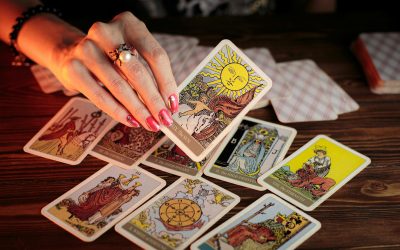
A standard tarot deck consists of 78 cards, divided into two main categories: the Major Arcana and the Minor Arcana. The Major Arcana consists of 22 cards, each representing a significant archetype or life lesson. These cards, such as The Fool, The Magician, and The Tower, carry powerful symbolism and often depict human figures engaged in various activities.
The Minor Arcana, on the other hand, consists of 56 cards divided into four suits: Cups, Swords, Wands, and Pentacles. Each suit contains ten numbered cards and four court cards, namely the Page, Knight, Queen, and King. These cards represent everyday situations, emotions, and challenges faced by individuals.
The Major Arcana
| Card Number | Card Name | Card Description |
|---|---|---|
| I | The Fool | Represents new beginnings, spontaneity, and taking risks. |
| II | The Magician | Symbolizes manifestation, creativity, and tapping into one’s power. |
The Minor Arcana
The four suits of the Minor Arcana represent different aspects of life:
- Cups: Emotions, relationships, and intuition.
- Swords: Intellect, conflicts, and decision-making.
- Wands: Ambition, passion, and personal growth.
- Pentacles: Material possessions, finances, and physical well-being.
Each numbered card in a suit reflects a specific level of intensity or progression, while the court cards represent people or personality traits associated with the suit.
Tarot and Divination
Although tarot cards were initially used for gaming, their association with fortune-telling and divination gradually evolved over time. The belief in the mystical and spiritual qualities of the cards gained popularity during the 18th century, with a surge of interest in occult practices and secret societies.
One of the most influential figures in bringing tarot into the realm of divination was French occultist and author, Antoine Court de Gébelin. In the late 18th century, he proposed that tarot cards held ancient wisdom and mystical knowledge, connecting them to ancient Egypt and the Kabbalah.
De Gébelin’s ideas inspired other occultists, such as Jean-Baptiste Alliette (known as Etteilla) and Arthur Edward Waite, who both contributed significantly to tarot’s esoteric development. Waite’s deck, known as the Rider-Waite-Smith deck, is one of the most popular and widely used tarot decks today.
Modern Tarot Practice
In the modern era, tarot cards have become a tool for personal growth, self-reflection, and spiritual guidance. Many individuals and professional tarot readers use the cards to gain insights into various aspects of life, explore subconscious patterns, or seek advice in decision-making.
There is no one definitive way to interpret tarot cards, as each reader brings their own intuition, experience, and understanding to the practice. Some readers rely on traditional interpretations and symbolism, while others incorporate their own unique interpretations based on personal associations or intuitive guidance.
With the rise of the internet, tarot has also gained widespread accessibility. Online tarot readings, tarot apps, and digital communities have made it easier for individuals to explore and learn about tarot cards.
In Conclusion
Tarot cards have come a long way from their origins as playing cards. From their mysterious beginnings in Europe to their association with divination and personal growth today, tarot cards continue to captivate and inspire people around the world.
Whether you believe in their mystical powers or see them as a tool for introspection, tarot cards offer a unique window into the depths of the human experience. So the next time you pick up a deck of tarot cards, remember the rich history and profound symbolism that these ancient cards carry.