What’s the Difference Between Waxing and Waning?
When it comes to the moon, we often hear two terms – waxing and waning. But what do these terms really mean and how do they differ? In this blog post, we will dive into the meaning of waxing and waning and explore their differences.
The Meaning of Waxing
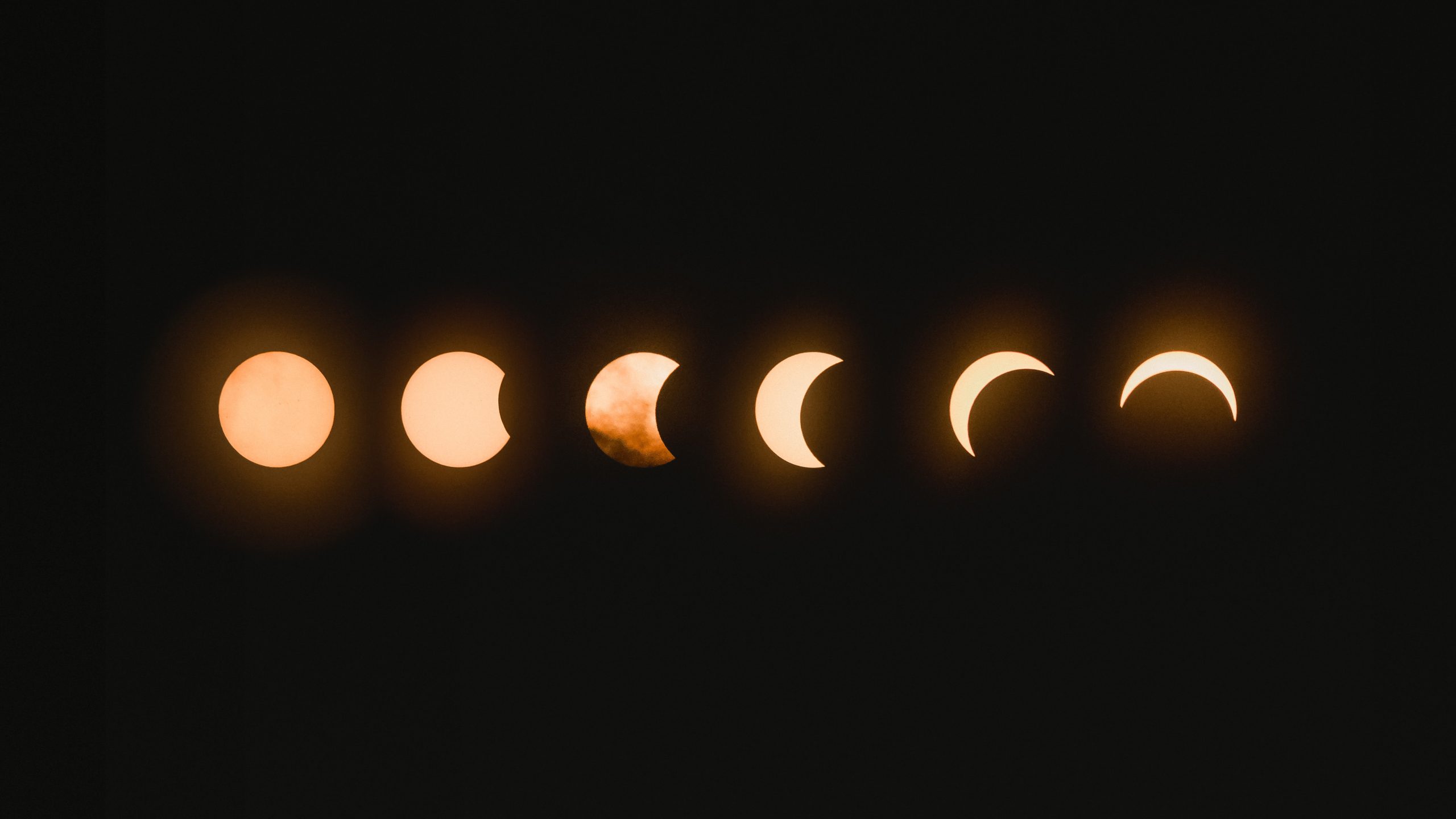
When we say the moon is waxing, it means that the illuminated portion of the moon is increasing in size. This happens as the moon orbits around the Earth. During this phase, the moon’s appearance changes from a thin crescent to a full moon. The waxing phase of the moon is associated with growth, new beginnings, and creativity. It is often considered an optimal time to start new projects or endeavors.
The Meaning of Waning
In contrast to waxing, when we say the moon is waning, it means that the illuminated portion of the moon is decreasing in size. This phase occurs after the full moon when the moon begins to move towards a new moon. During this phase, the moon appears to be getting smaller each night until it eventually disappears from view. The waning phase is often associated with letting go, releasing, and completing projects. It is a time to reflect on the past and let go of anything that no longer serves us.
The Differences Between Waxing and Waning
The main difference between waxing and waning is the direction of the moon’s illumination. Waxing is when the illuminated portion of the moon is increasing in size, while waning is when it is decreasing. Another difference is the meanings associated with these phases. Waxing is associated with growth and new beginnings while waning is connected to letting go and releasing.
In conclusion, understanding the phases of the moon can provide us with insights into our lives. Knowing the difference between waxing and waning can help us align our actions and intentions with the energy of the moon. Whether we are starting new projects or letting go of the past, the moon’s phases can guide us towards our goals.
What’s the Difference Between Waxing and Waning?
If you’re feeling a bit confused about the lunar cycle, particularly about the phases of the moon, you may have asked yourself, “What’s the difference between waxing and waning?”. It’s a valid question, and it’s not uncommon to wonder about it. In this blog post, we’ll break down the differences between the two phases and explain what they actually mean.
Understanding the Lunar Cycle and Phases of the Moon
Before we dive into the difference between waxing and waning, let’s first understand the lunar cycle and phases of the moon. The lunar cycle is the 29.5-day period in which the moon orbits the earth. During this time, the moon goes through eight distinct phases, each marked by a specific shape and illumination of the moon.
The phases of the moon, in order, are:
1. New Moon
2. Waxing Crescent
3. First Quarter
4. Waxing Gibbous
5. Full Moon
6. Waning Gibbous
7. Third Quarter
8. Waning Crescent
What is Waxing?
Waxing, in relation to the lunar cycle, refers to the period of time when the moon is getting bigger and appears to be “growing” from a tiny sliver to a full circle. During this time, the illuminated portion of the moon, as viewed from Earth, is increasing. The first stage of waxing is known as the waxing crescent, followed by the waxing gibbous.
What is Waning?
Waning is the opposite of waxing and refers to the period of time when the moon appears to be “shrinking” from a full circle to a tiny sliver. During this time, the illuminated portion of the moon, as viewed from Earth, is decreasing. The first stage of waning is known as the waning gibbous, followed by the waning crescent.
The Difference Between Waxing and Waning
The main difference between waxing and waning is the direction in which the illuminated portion of the moon appears to be moving. During the waxing phase, the illuminated portion of the moon is increasing, while during the waning phase, the illuminated portion is decreasing.
In addition, another difference between the two phases is that the waxing phase typically begins with a slim crescent moon, while the waning phase usually begins with a gibbous moon. This is due to the positioning of the moon in relation to the sun and Earth during these respective phases.
Why Does the Moon Wax and Wane?
The moon’s waxing and waning phases are caused by its position in relation to the sun and Earth. As the moon orbits around the Earth, different portions of it are illuminated by the sun, depending on the moon’s position in relation to the sun and Earth.
During the waxing phase, the moon is between the sun and Earth, so the side of the moon facing Earth is gradually becoming more illuminated by the sun. Conversely, during the waning phase, the moon is on the opposite side of the Earth from the sun, causing the illuminated portion of the moon to decrease as the cycle continues.
What’s the Difference Between Waxing and Waning?
The Moon is one of the most influential celestial bodies in our life, and it has been for centuries. Its phases have been studied and observed by people since the beginning of time. The Moon goes through a cycle of phases that last approximately 29.5 days, and they are either waxing or waning. In this post, we’ll delve deeper into what waxing and waning means, and what causes the changes in the Moon’s appearance.
What is Waxing?
Waxing occurs when the Moon appears to be getting bigger in the sky. This means that the illuminated part of the Moon is increasing. The first phase of waxing is called the new Moon, and it is not visible because the side facing Earth is not illuminated. As the Moon moves in its orbit around Earth, the illuminated part becomes visible, starting with a thin crescent shape. Eventually, the Moon will become a half-moon, and then a full moon. This is known as the waxing gibbous phase, and it is where the Moon appears almost completely illuminated.
What Causes Waxing?
Waxing occurs because of the Moon’s position in its orbit around Earth. As the Moon moves, the angle between the Sun, Moon, and Earth changes. When the Moon is positioned between the Sun and Earth, its dark side is facing Earth, which is why we can’t see it. However, as the Moon continues to move in its orbit, its illuminated side becomes visible from Earth, and this is what creates the waxing phases.
What is Waning?
Waning is the opposite of waxing, and it occurs when the Moon appears to be getting smaller in the sky. This means that the illuminated part of the Moon is decreasing. The first phase of waning is called the full Moon when the illuminated part of the Moon is at its zenith. After that, the Moon starts to wane, and it becomes a half-moon and then a crescent moon until it finally disappears, which is known as the new Moon.
What Causes Waning?
Waning occurs because of the Moon’s position in its orbit around Earth, just like waxing. As the Moon moves, the angle between the Sun, Moon, and Earth changes. When the Moon is on the opposite side of Earth from the Sun, its illuminated side is facing away from Earth, and this is what creates the waning phases.
The Importance of Waxing and Waning
The waxing and waning phases of the Moon are essential for a variety of reasons. One of the major reasons is that it influences the tides of the ocean. The gravitational force of the Moon affects the ocean, causing it to rise and fall. During a full moon, the tides are higher than usual because the gravitational pull of the Moon is the strongest.
The phases of the Moon also have cultural and religious significance around the world. For example, in some cultures, the full Moon is associated with good luck or fertility. In others, it is considered a time of change or transformation.
Conclusion
The waxing and waning of the Moon are fascinating natural phenomena that have been observed and studied for centuries. The waxing phase occurs when the Moon appears to be getting bigger in the sky, and the illuminated part is increasing. The waning phase is the exact opposite, with the illuminated part decreasing, and the Moon appearing to get smaller. These phases have significant cultural and environmental significance and are essential for many reasons, including their influence on ocean tides. The next time you look up at the Moon, take a few moments to reflect on its beauty and its significant role in our world.
Table of Contents