What Planet Covers the Moon?
The Moon, Earth’s natural satellite, has captivated humans for centuries. From its mesmerizing phases to its role in tides, the Moon has always been a source of curiosity and wonder. However, have you ever wondered if any planet covers the Moon? In this blog post, we will explore this intriguing question and delve into the relationship between the Moon and the planets in our solar system.
Table of Contents
- The Moon and the Planet Relationship
- Planets in the Solar System
- Can a Planet Cover the Moon?
- Final Thoughts
The Moon and the Planet Relationship
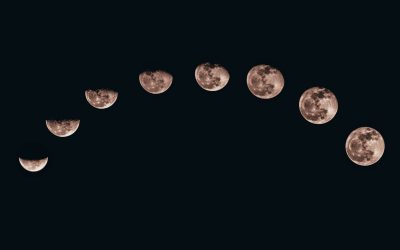
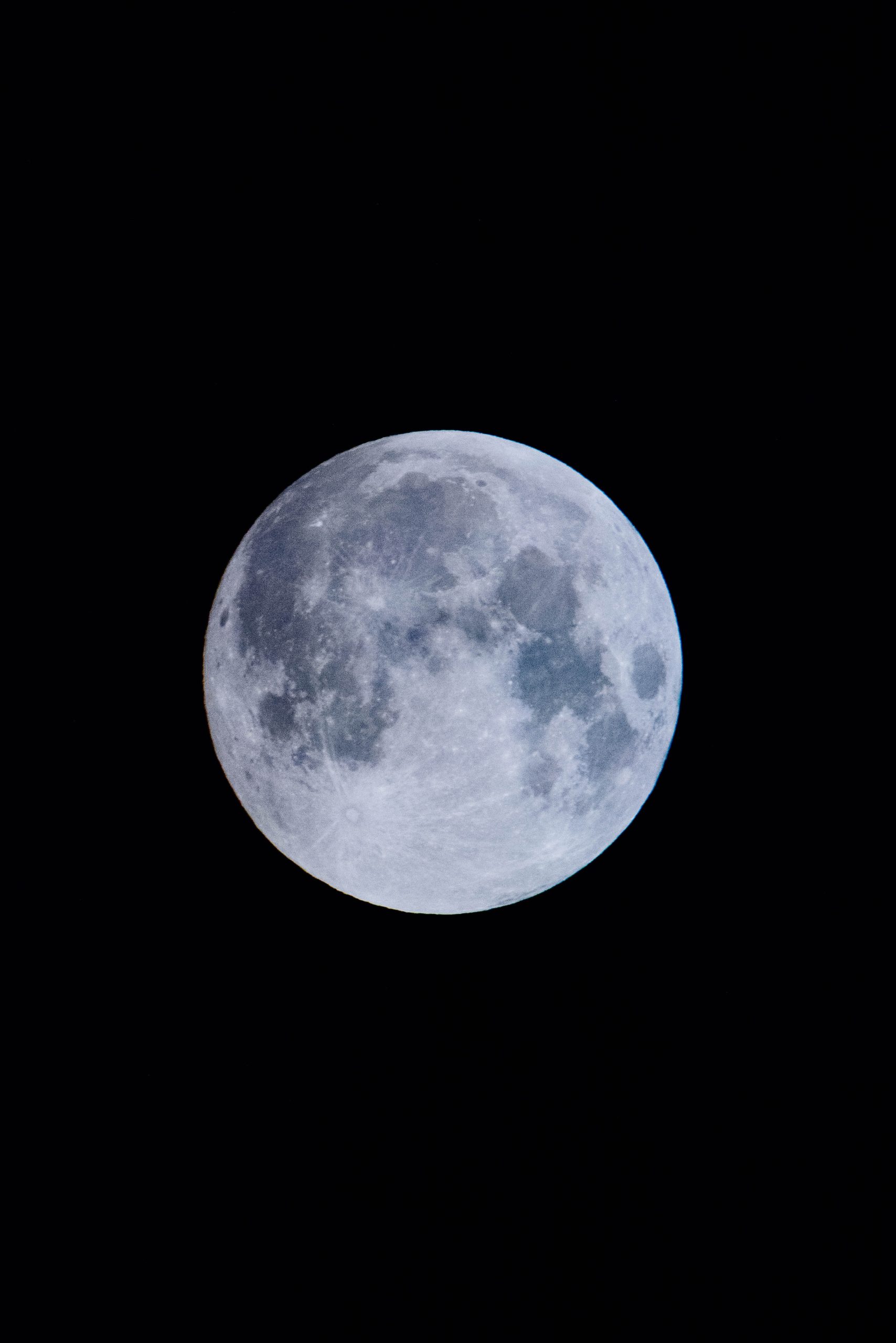
The Moon holds a special place in our sky and plays a vital role in Earth’s ecosystem. It orbits around our planet, revolving and rotating at the same rate, which is why we always see the same side of the Moon facing us. The gravitational pull between the Earth and the Moon creates the phenomenon we know as tides.
While the Moon dances with the Earth, it shares the sky with other celestial bodies, including the planets. The planets, like Earth, have their moons, and they all revolve around the Sun. But does any planet cover the Moon? Let’s find out.
Planets in the Solar System
Our solar system consists of eight planets: Mercury, Venus, Earth, Mars, Jupiter, Saturn, Uranus, and Neptune. Each planet has its unique characteristics and moons, making our cosmic neighborhood fascinating and diverse.
Mercury, the closest planet to the Sun, has no moons. Venus, Earth’s neighboring planet, also does not have any moons. Earth, our home planet, has one moon, aptly called the Moon. Mars, often referred to as the “Red Planet,” has two moons named Phobos and Deimos.
Jupiter, the largest planet in the solar system, boasts an impressive number of moons—79 to be exact. Some of its prominent moons include Europa, Ganymede, Callisto, and Io. Saturn, famous for its magnificent rings, has 82 moons. The most well-known of Saturn’s moons is Titan, a celestial body with a thick atmosphere.
Uranus and Neptune, the outermost planets in the solar system, have 27 and 14 moons, respectively. Uranus’ moons include names like Miranda, Ariel, Umbriel, and Oberon. Neptune, often mentioned in the context of the “Ice Giants,” has moons such as Triton and Proteus.
Can a Planet Cover the Moon?
Now that we know about the various planets and their moons, let’s address the question: Can a planet cover the Moon? The answer is no.
While the Moon is relatively small compared to some of the planets, no planet in our solar system is large enough to completely cover the Moon. The Moon has a diameter of about 3,474 kilometers (2,159 miles), making it the fifth-largest moon in the solar system.
Jupiter, the largest planet, has a diameter of approximately 143,000 kilometers (88,982 miles). This means the Moon is only about 2.4% of Jupiter’s diameter. Even though Jupiter is the biggest planet, it is still unable to cover the Moon entirely.
Therefore, we can conclude that no planet in our solar system covers the Moon. However, it’s worth noting that during a lunar eclipse, Earth casts a shadow on the Moon, creating a stunning spectacle where the Moon appears to be covered by Earth.
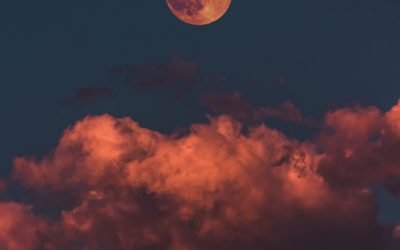
Lunar eclipses occur when the Earth, Moon, and Sun align, with the Earth positioned in between. When the Moon passes through Earth’s shadow, it appears darker, and during a total lunar eclipse, it can even take on a reddish color due to the scattering of sunlight in Earth’s atmosphere.
Lunar eclipses are not only visually captivating but also provide scientists with valuable opportunities to study Earth’s atmosphere and the effects of sunlight filtering through it.
Final Thoughts
The Moon, Earth’s loyal companion, is a celestial body that has intrigued and fascinated humanity for centuries. While there are numerous planets in our solar system with their unique moons, none of them are large enough to cover the Moon entirely.
However, the Moon’s relationship with the planets is still significant. Its gravitational pull affects the tides on Earth, and during lunar eclipses, we witness the Moon passing through Earth’s shadow, creating awe-inspiring celestial events. These phenomena remind us of the intricate celestial ballet underway in the vast expanse of space.
So, the next time you gaze upon the Moon, remember that while no planet covers it completely, its beauty and influence continue to spark our imagination and encourage us to explore the wonders of our solar system.