What is the Difference Between Waxing and Waning?
If you’ve ever looked up at the moon and wondered why it appears differently on different nights, you’re not alone. The moon has long been a fascinating object of observation for many people, dating back to ancient cultures. One of the most common terms associated with the moon is the phrase “waxing and waning,” but what do those terms actually mean? In this post, we’ll explore the difference between waxing and waning and what causes these phases.
Waxing
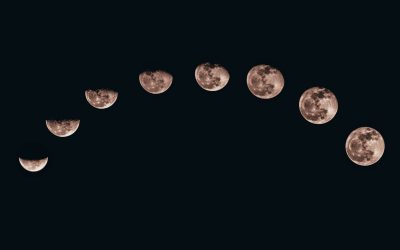
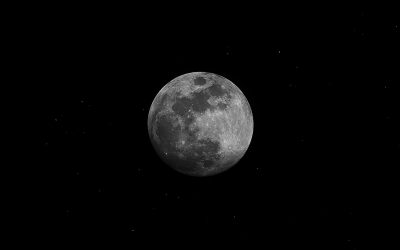
Waxing refers to the phase of the moon when it appears to be growing in size. This happens because the moon is moving in its orbit around the Earth, and therefore, we see more of the illuminated side. During the waxing phase, the amount of sunlight reflecting off the surface of the moon increases each night, leading to a brighter and larger appearance. The waxing phase starts with a new moon and ends with the full moon.
Waning
The waning phase of the moon is the opposite of the waxing phase. During this time, the moon appears to be getting smaller each night. This happens because the moon is moving further away from the Earth in its orbit, and therefore, we see less of the illuminated side. The amount of sunlight reflecting off the surface of the moon decreases each night, causing it to appear dimmer and smaller. The waning phase starts with a full moon and ends with a new moon.
The Role of Gravity
The phases of the moon, including waxing and waning, are caused by the gravitational pull of the moon, Earth, and the sun. The gravitational pull of the moon causes the tides to rise and fall, and it also causes the Earth to bulge out slightly on the side facing the moon. This slight bulge causes an imbalance in the Earth’s gravitational pull, which results in the moon being pulled towards it. This gravitational force affects the shape and size of the moon as we see it from Earth.
In
What Is the Difference Between Waxing and Waning?
As we observe the moon in the night sky, we notice how it appears to change shape over the course of several nights. Astronomers refer to these changes as “phases” of the moon, and they are caused by the relative positions of the moon, Earth, and the sun. The two most commonly used terms used to describe these phases are “waxing” and “waning.” But what exactly do these terms mean? Let’s take a closer look at the difference between waxing and waning.
The Meaning of Waxing
When we talk about the waxing moon, we are referring to the phase of the moon when it appears to be growing larger in the sky. During this phase, the moon is moving away from the new moon and closer to the full moon. As a result, more and more of the moon’s surface becomes illuminated by the sun, and the portion of the moon visible from Earth grows larger with each passing night.
The Meaning of Waning
Conversely, when we talk about the waning moon, we are referring to the phase of the moon when it appears to be getting smaller in the sky. During this phase, the moon is moving away from the full moon and closer to the new moon. As a result, less and less of the moon’s surface is illuminated by the sun, and the portion of the moon visible from Earth decreases with each passing night.
Why Do the Waxing and Waning Phases Occur?
The waxing and waning phases of the moon occur because of the relative positions of the moon, Earth, and the sun. When the moon is between the Earth and the sun, we see only the unilluminated side, which is the new moon phase. As the moon moves in its orbit around the Earth, we see more and more of its illuminated side, which is what causes the waxing phases. When the Earth is between the moon and the sun, we see only the illuminated side, which is the full moon phase. As the moon continues in its orbit around the Earth, we see less and less of its illuminated side, which causes the waning phases.
Can You See Waxing and Waning Phases Anywhere Else?
The phases of the moon aren’t unique to our celestial neighbor; any object that orbits another will experience the same types of phases under similar conditions. This means that other moons in our solar system, such as those orbiting Jupiter, Saturn, and the other gas giants, all experience their own waxing and waning phases. Other objects in the solar system, such as asteroids and some comets have their own phases, too.
What is the Difference Between Waxing and Waning?
Have you ever gazed up at the moon and noticed its different shapes and sizes? The moon’s illumination changes every night, and it’s because of two seemingly magical processes that astronomers call waxing and waning. But what do these terms really mean, and what’s the difference between waxing and waning? In this blog post, we’ll answer these questions and more, so keep reading to learn more about these fascinating lunar phenomena.
Waxing and Waning: Definitions
Waxing
Waxing refers to the moon’s illumination growing or expanding over time. This happens because the moon is in the process of moving closer to the Earth. From the perspective of an observer on Earth, the moon appears larger and brighter each night, as more of its illuminated surface becomes visible. When the moon is waxing, it will appear as a crescent shape, gradually filling up until it reaches a full moon.
Waning
Waning is the opposite of waxing. It describes the moon’s illumination shrinking or decreasing over time. As the moon moves away from the Earth, it appears to become smaller and less illuminated from the perspective of an observer on Earth. When the moon is waning, it will appear as a full moon, gradually shrinking down to a crescent shape until it disappears entirely from view during the new moon phase.
What Causes Waxing and Waning?
The Moon’s Orbit
The moon orbits around the Earth, which in turn orbits around the sun. During the course of its orbit, the moon passes through different phases, which are determined by its position in relation to the sun and the Earth. When the moon is between the Earth and the sun, it is a new moon, and when it is on the opposite side of the Earth from the sun, it is a full moon.
The Moon’s Rotation
As the moon moves through its phases, its position in relation to the sun and Earth changes. However, the moon also rotates on its own axis, which takes about 27.3 days to complete. This means that the same side of the moon is always facing the Earth, which is why we always see the same side of the moon from Earth. The changing illumination of the moon during waxing and waning is a result of its position in the sky and the angle at which the sun’s light strikes its surface.
Waxing vs. Waning: Key Differences
Waxing and waning are two sides of the same coin, but they have some key differences that set them apart.
Shape
The most noticeable difference between waxing and waning is the shape of the moon. When the moon is waxing, it appears as a crescent shape that gradually fills up until it becomes a full moon. When the moon is waning, it appears as a full moon that gradually shrinks down to a crescent shape until it becomes a new moon.
Illumination
Waxing and waning also differ in terms of the moon’s illumination. When the moon is waxing, it appears to be growing brighter and more illuminated each night. When the moon is waning, it appears to be growing dimmer and less illuminated each night.
Direction
Waxing and waning also differ in terms of the moon’s direction of movement. When the moon is waxing, it appears to be moving across the sky from east to west. When the moon is waning, it appears to be moving across the sky from west to east.
Conclusion
In conclusion, waxing and waning are two fascinating lunar phenomena that are essential for understanding the moon’s position in the sky and its changing illumination. Waxing describes the moon’s illumination growing over time, while waning describes its illumination shrinking. While they share similarities, such as the moon’s orbit and rotation, they differ in terms of shape, illumination, and direction of movement. We hope this blog post has helped clarify the difference between waxing and waning and given you a greater appreciation for our mysterious celestial companion.