What is the Definition of Full Moon?
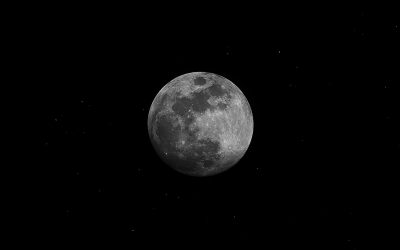
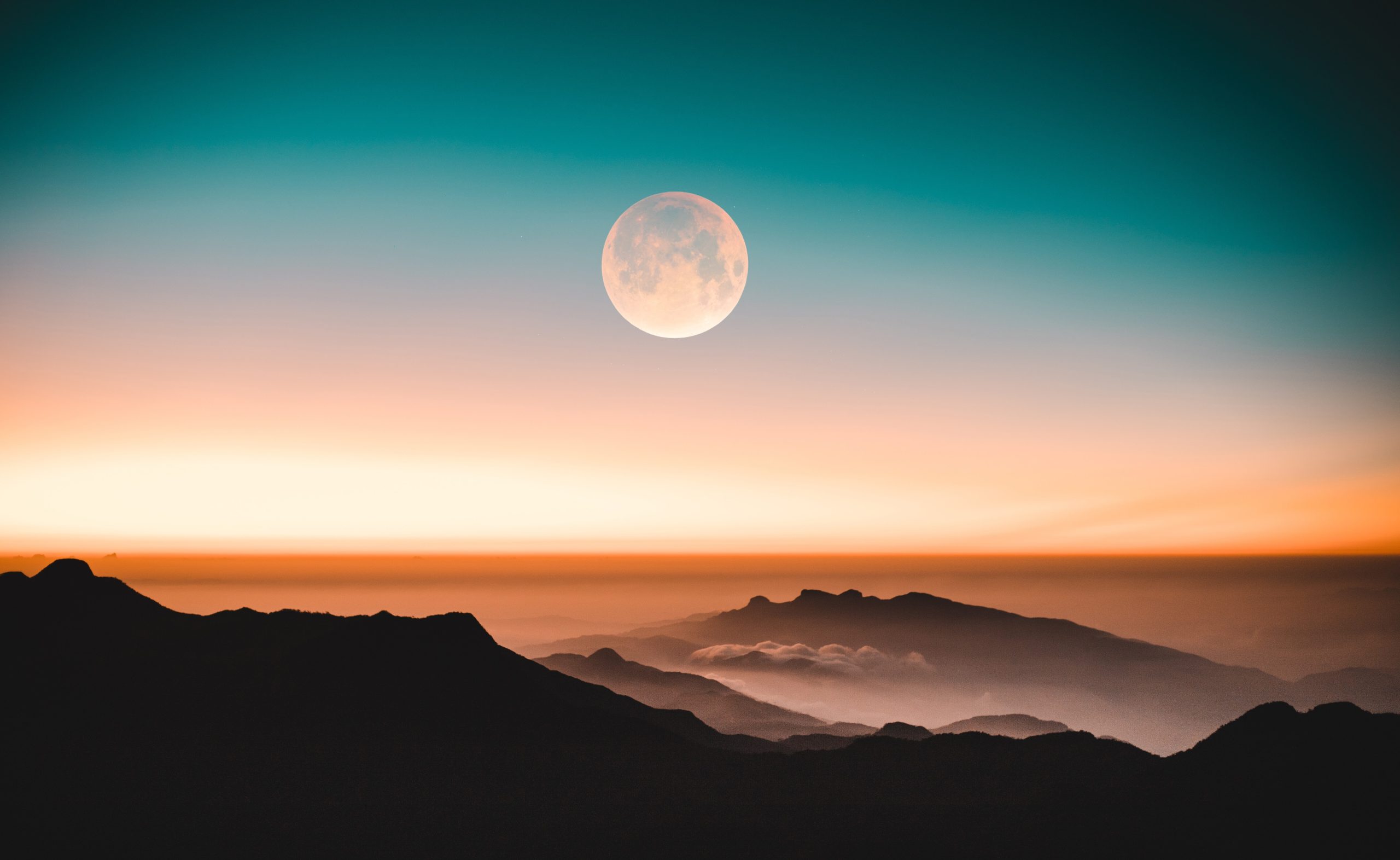
The full moon is a lunar phase that occurs when the Moon appears fully illuminated from the Earth’s perspective. This happens when the Moon is on the opposite side of the Earth as the Sun, which causes the entire illuminated portion of the Moon to be visible.
What Causes the Full Moon?
As mentioned earlier, the full moon occurs when the Moon is on the opposite side of the Earth as the Sun. This alignment results in the entire illuminated portion of the Moon being visible to Earth.
This is a rare and important event in the lunar cycle and is linked to many cultural beliefs and rituals.
The Importance of the Full Moon
The full moon has been part of different cultural beliefs and practices for centuries. Many ancient cultures, including the Celts, Greeks and Chinese, used the lunar cycle to measure time and used the full moon to mark the midpoint of each lunar cycle.
The full moon is also important in many religious traditions. For example, in the Hindu religion, the full moon is celebrated as the festival of Holi, while in the Buddhist religion, the full moon marks the day of the Buddha’s birth, enlightenment and death.
The Different Types of Full Moon
There are different types of full moons, depending on the time of the year and the position of the Moon relative to the Earth. Some of these include:
- Super Moon: A full moon that appears larger than usual due to the Moon’s position being closer to the Earth.
- Blue Moon: This refers to a second full moon in a single calendar month.
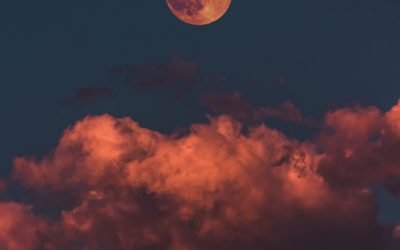
- Blood Moon: This is a term used to refer to a lunar eclipse, which happens when the Earth passes in between the Sun and the Moon, casting a reddish tint on the Moon’s surface.
The Definition of Full Moon
The full moon is one of the most spectacular astronomical occurrences that happen on this planet. The full moon is a lunar phase that occurs when the side of the moon facing the Earth is fully illuminated by the sun’s light. When the Earth, the Sun, and the Moon are aligned, observers on Earth see the Moon’s entire illuminated side. But what exactly is a full moon? How often does it occur? And what are some of the interesting things to watch out for during this phase of the Moon?
In this blog post, we will answer some of the most frequently asked questions about the Full Moon.
1. How Often Does the Full Moon Occur?
The full moon occurs once every 29.5 days, the amount of time it takes the moon to complete its lunar cycle. This means that every month we get to witness a full moon, although it may not always be visible due to weather conditions or the moon’s position in the sky.
2. Why Is It Called a Full Moon?
The full moon got its name from its appearance when viewed from Earth. When the entire illuminated face of the moon is visible, it looks like a perfect circle, and hence it is called a “full” moon.
3. What Are the Different Phases of the Moon?
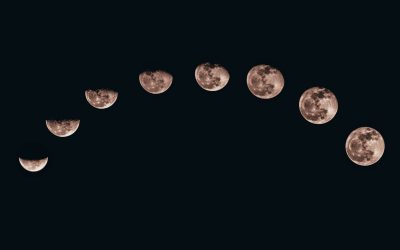
The Moon goes through several phases in its lunar cycle, and these are:
- New Moon: This is when the Moon is completely dark and not visible from Earth.
- Waxing Crescent: A sliver of light appears, signaling the start of the Moon’s growth phase.
- First Quarter: The Moon appears to be half-illuminated and is referred to as the “Half Moon.”
- Waxing Gibbous: The Moon continues to grow as more of its illuminated side is visible.
- Full Moon: The Moon appears fully illuminated and looks like a perfect circle.
- Waning Gibbous: The Moon appears to be decreasing in size as it moves towards the third quarter phase.
- Third Quarter: The Moon appears half-illuminated again, but this time, it is the opposite side as in the first quarter phase.
- Waning Crescent: The Moon continues to decrease in size until it is no longer visible.
4. Can You Only See a Full Moon at Night?
No, you can observe the Full Moon during the day, as well as at night. This is because the Full Moon is always directly opposite the sun, which means that when the sun is setting, the full moon is rising, and when the sun is rising, the Full Moon is setting.
5. Are There Any Myths or Superstitions Associated With the Full Moon?
The full moon has been associated with many myths and superstitions throughout history. For instance, some people believe that during a full moon, strange things happen, and people’s behavior changes. There is no scientific evidence to support these claims, but they have led to some fascinating legends and stories over time.
6. What Is a Supermoon?
A supermoon is a full moon that appears to be larger and brighter than usual. This happens when the Full Moon coincides with the Moon’s closest approach to Earth within its elliptical orbit. A supermoon can appear up to 14% larger and 30% brighter than a typical Full Moon, making it a sight to behold.
7. How Can You Photograph the Full Moon?
Photographing the Full Moon can be a challenge as it is often shinier than the rest of the sky. However, with some basic equipment and techniques, it is possible to capture some stunning images.
- Use a tripod to keep your camera steady
- Use a long lens to zoom in and capture the details of the Moon’s surface
- Use a low ISO setting to reduce the amount of noise in your photos
- Choose a fast shutter speed to avoid blurring caused by the Moon’s movement
- Consider using a remote trigger or timer to minimize camera shake
8.
Definition of Full Moon
A full moon is a lunar phase that occurs when the moon is directly opposite the sun in the sky, with the earth in between. When this happens, the entire illuminated side of the moon is visible to those on earth, making it appear as a fully round and bright disk. The full moon is a beautiful and fascinating natural phenomenon that has been studied and observed for centuries, with many cultures and traditions having developed around it. In this article, we will explore the definition of a full moon in more detail, as well as its scientific and cultural significance.
Scientific Explanation
The scientific explanation of a full moon is based on the position of the moon, earth and the sun. The moon orbits around the earth, while the earth orbits around the sun. When the moon is on the opposite side of the earth from the sun, the sun illuminates the entire visible side of the moon, making it appear bright and full. This happens every 29.5 days, which is the length of a lunar month. During the full moon, the moon rises in the east just as the sun sets in the west, and it sets in the west just as the sun rises in the east.
Full Moon Phases
There are eight phases of the moon as it orbits around the earth, with the full moon being one of them. The other phases include the new moon, waxing crescent, first quarter, waxing gibbous, waning gibbous, third quarter, and waning crescent. The cycle of the moon’s phases is caused by the relative position of the moon, earth and the sun.
Cultural Significance
The full moon has historically been associated with many cultures and traditions, and is widely regarded as a symbol of change, new beginnings and spiritual renewal. Many religions and spiritual practices view the full moon as a powerful time for meditation, manifestation and spiritual connection. In ancient cultures, the full moon was often a time for celebrations and festivals, with its bright light making nighttime activities easier and safer. In some cultures, the full moon is believed to hold special powers and energy, and is associated with various magical practices.
Impact on Wildlife
The full moon can also have a significant impact on the behavior and activity of various wildlife species. Many animals, including certain birds, fish and insects, rely on the brightness of the moon to navigate through the night. Other animals, such as wolves and other nocturnal predators, use the full moon to hunt and move around more easily. Conversely, some animals become more inactive during the full moon due to the brightness, and may hide or sleep more during this time.
Conclusion
In conclusion, the full moon is a fascinating and beautiful phenomenon that has been observed and studied for centuries. Its scientific explanation is clear and well-understood, but its cultural and spiritual significance is still regarded as incredibly powerful by many people around the world. Whether you view the full moon as a symbol of change and renewal, a tool for spiritual connection, or a source of natural wonder, there is no denying its undeniable allure and beauty in the night sky.