What Does Waxing Gibbous Represent?
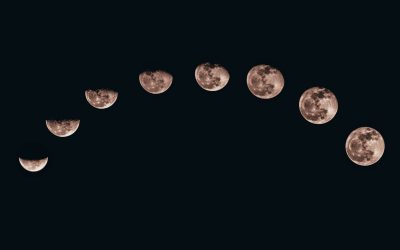
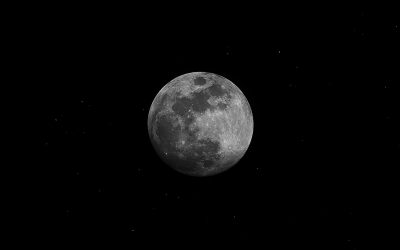
Waxing gibbous is a lunar phase that occurs between a first quarter moon and a full moon. During a waxing gibbous phase, the illuminated part of the moon is greater than half, but is not yet a full moon. The term “gibbous” comes from a Latin word meaning humpbacked or convex. Thus, the waxing gibbous phase refers to the moon’s shape appearing to bulge out slightly on one side.
The Characteristics of Waxing Gibbous
During a waxing gibbous phase, the moon is more than 50% illuminated and less than 100% illuminated. The exact percentage of illumination depends on where the moon is in its cycle, but generally, the illuminated portion is between 51% and 99%. The remaining portion appears dark because it is not being illuminated by the sun.
Waxing gibbous is the second of four primary phases of the moon, with the other three being the new moon, the first quarter moon, and the full moon. As the moon progresses through these phases, the amount of illumination increases until it reaches fullness. Waxing gibbous represents a time of substantial growth in the lunar cycle, and it is often associated with the gradual building of energy and momentum.
What Does Waxing Gibbous Mean?
Throughout history, the moon has been revered as a symbol of many things, from feminine energy to the natural cycles of birth, growth, and decay. In astrology, waxing gibbous is often seen as a time of preparation for change. It is a time to build momentum and gather energy in anticipation of the full moon, which represents the peak of energy and power.
Waxing gibbous can also represent an opportunity for reflection and introspection. The illumination of the moon during this phase is a reminder that even when we feel like we are in darkness, there is always light shining somewhere. It is a time to assess where we are in our lives and what changes we need to make to move forward.
In
What Does Waxing Gibbous Represent? FAQs Answered
Waxing Gibbous is a term used to describe the lunar phase where the moon is between a First Quarter and Full Moon. During this phase, the moon is growing to its fullest and brightest state. This stage is essential for astronomers, who use the waxing gibbous phase to monitor and study the surface of the moon.
If you’re new to astronomy or simply curious about the waxing gibbous phase, you may have many questions about what it represents. In this blog post, we’ll be answering some of the most frequently asked questions about waxing gibbous.
What is the Waxing Gibbous Phase?
The Waxing Gibbous Phase is a phase of the Moon’s cycle in which the visible surface of the Moon is between 50 and 99% illuminated. It occurs after the First Quarter and before the Full Moon when the Moon is in a position where the illuminated part of the Moon appears to be more extensive than the dark part.
How long does the Waxing Gibbous Phase Last?
The Waxing Gibbous Phase lasts for approximately one week, although the exact length depends on factors such as lunar orbit and Earth’s relative position to the Moon. During this time, the illuminated portion of the Moon increases by about 10% per day until it reaches Full Moon.
What Does the Waxing Gibbous Moon Look Like?
The Waxing Gibbous Moon appears as a crescent shape in the sky, with the illuminated portion of the Moon appearing as a bulge on the right side. The remaining portion of the Moon reflects only a small amount of light, making it appear dark. As the phase progresses, the visible illuminated portion of the Moon grows larger and larger, until it reaches Full Moon.
How is Waxing Gibbous Different from Other Lunar Phases?
There are eight primary lunar phases, each of which represents a different stage in the Moon’s cycle. Waxing Gibbous is unique because it is the phase where the illuminated portion of the Moon is growing larger, reaching its fullest state, and approaching a Full Moon.
What is the Importance of Waxing Gibbous?
Waxing Gibbous is essential to astronomers because this phase serves as an excellent time to observe and study the surface of the Moon. The increased amount of illumination makes details on the Moon’s surface more visible, which allows for better scientific research.
Can I See Waxing Gibbous Without a Telescope?
Yes, you can see the Waxing Gibbous Moon without a telescope. It is visible to the naked eye, and during clear nights, you can spot it in the sky. However, if you’re interested in observing the Moon’s surface in detail, a telescope would be required.
What Activities Can I Do During Waxing Gibbous?
Waxing Gibbous can be a great time to explore and learn more about the Moon. It’s an excellent opportunity to visit a local planetarium, attend an astronomy class, or use binoculars or a telescope to observe the Moon’s surface in greater detail.
How Does Waxing Gibbous Affect Us Spiritually?
Waxing Gibbous holds a significant spiritual meaning for some people. It is often associated with abundance, growth, and manifestation. During this phase, it’s common to reflect and set intentions, making it an ideal time to focus on personal growth and spiritual wellbeing.
In conclusion, the Waxing Gibbous phase is a critical stage in the Moon’s cycle, serving as an essential time for astronomers to observe and study the Moon’s surface. It’s visible to the naked eye and offers a great opportunity to explore the wonder of the universe. We hope that this blog post has answered some of your most pressing questions about this fascinating lunar phase.
What Does Waxing Gibbous Represent?
If you are an amateur astronomer or simply an enthusiast who loves to stargaze, then you may have come across the term ‘waxing gibbous’ in books or online sources. Waxing gibbous is a fascinating lunar phase that signifies a transition from a first quarter to a full moon. In this blog post, we’ll explore what waxing gibbous represents, its characteristics, and some interesting facts about this moon phase.
What is Waxing Gibbous?
Waxing gibbous is a lunar phase that occurs between the first quarter moon and the full moon. During this phase, the amount of illuminated lunar disk visible from Earth gradually increases. The term ‘waxing’ represents the increasing state of the moon’s brightness, whereas ‘gibbous’ means an illuminated moon phase that appears to be more than a semicircle but less than a full circle.
During the waxing gibbous phase, the moon appears larger and brighter than it did during the first quarter phase. This is because more of its surface is now visible from Earth. The waxing gibbous phase lasts for around seven days, and during this period, the moon’s illumination increases from 50% to 99%.
The Characteristics of Waxing Gibbous
The waxing gibbous phase is characterized by certain features that make it unique. Some of these characteristics include:
1. Size and Brightness:
During this phase, the moon appears larger and brighter than it did during the first quarter phase. This is because more of its surface is now visible from Earth.
2. Position in the Sky:
The moon during the waxing gibbous phase rises in the east during the afternoon and sets in the west during the early morning. It is usually visible in the evening sky just after sunset till midnight.
3. Shape:
The waxing gibbous phase is a slightly convex disk shape, which means that it is more than a semicircle but does not yet form a complete circle.
4. Illumination:
During this phase, the moon’s illumination increases from 50% to 99%. As a result, the moon appears brighter and more clearly visible.
Interesting Facts About Waxing Gibbous
Now that you know what waxing gibbous phase is, let’s explore some fascinating facts about this moon phase.
1. Waxing Gibbous is the Third Lunar Phase:
Waxing gibbous is the third lunar phase out of the eight phases in the lunar cycle.
2. It Occurs Once a Month:
The waxing gibbous phase occurs once a month, and it lasts for approximately seven days before transitioning to the full moon phase.
3. It is a Popular Phase for Observing Lunar Features:
During the waxing gibbous phase, the moon is extensively lit, and it is a popular time for amateur astronomers to observe lunar features such as craters, mountains, and valleys.
4. It Affects Tides:
The moon affects tides on Earth, and during the waxing gibbous phase, tides are usually lower than usual because the sun and moon are working together to pull the water in the same direction.
5. It is Associated with Magical Rituals:
Waxing gibbous phase is associated with the growth and buildup of energy, making it a popular time for magical rituals such as manifestation, visualization, and goal setting.
Conclusion
Waxing gibbous is a fascinating lunar phase that represents a transition from the first quarter moon to the full moon. It is characterized by its size, shape, brightness, and position in the sky. During the waxing gibbous phase, the moon’s illumination increases, making it brighter and more clearly visible. This phase is also a popular time for amateur astronomers to observe lunar features and is associated with magical rituals that focus on manifestation and goal setting.