What Does the Word Phase of the Moon Mean?
Have you ever looked up at the night sky and noticed that the moon looks different every day? One day it might be a thin crescent shape, while on another it’s a full, luminous circle. This is because the moon goes through different phases, each of which is characterized by its shape and position in the sky. In this blog post, we’ll explore what the word phase of the moon means and how it affects our planet.
What are the Phases of the Moon?
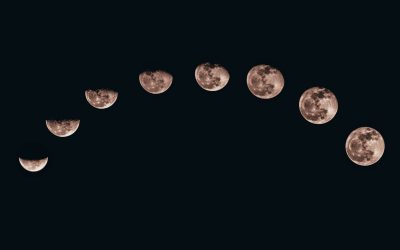
The moon has eight distinct phases that it goes through each lunar month. These phases are characterized by the amount of sunlight that reflects off the surface of the moon as viewed from Earth.
– New Moon: This is when the moon is not visible at all, as it is in between Earth and the Sun.
– Waxing Crescent: The moon starts to become visible again as a thin crescent shape.
– First Quarter: The moon is half illuminated and appears as a semi-circle.
– Waxing Gibbous: More than half of the moon is illuminated, and it appears as a bulging circle.
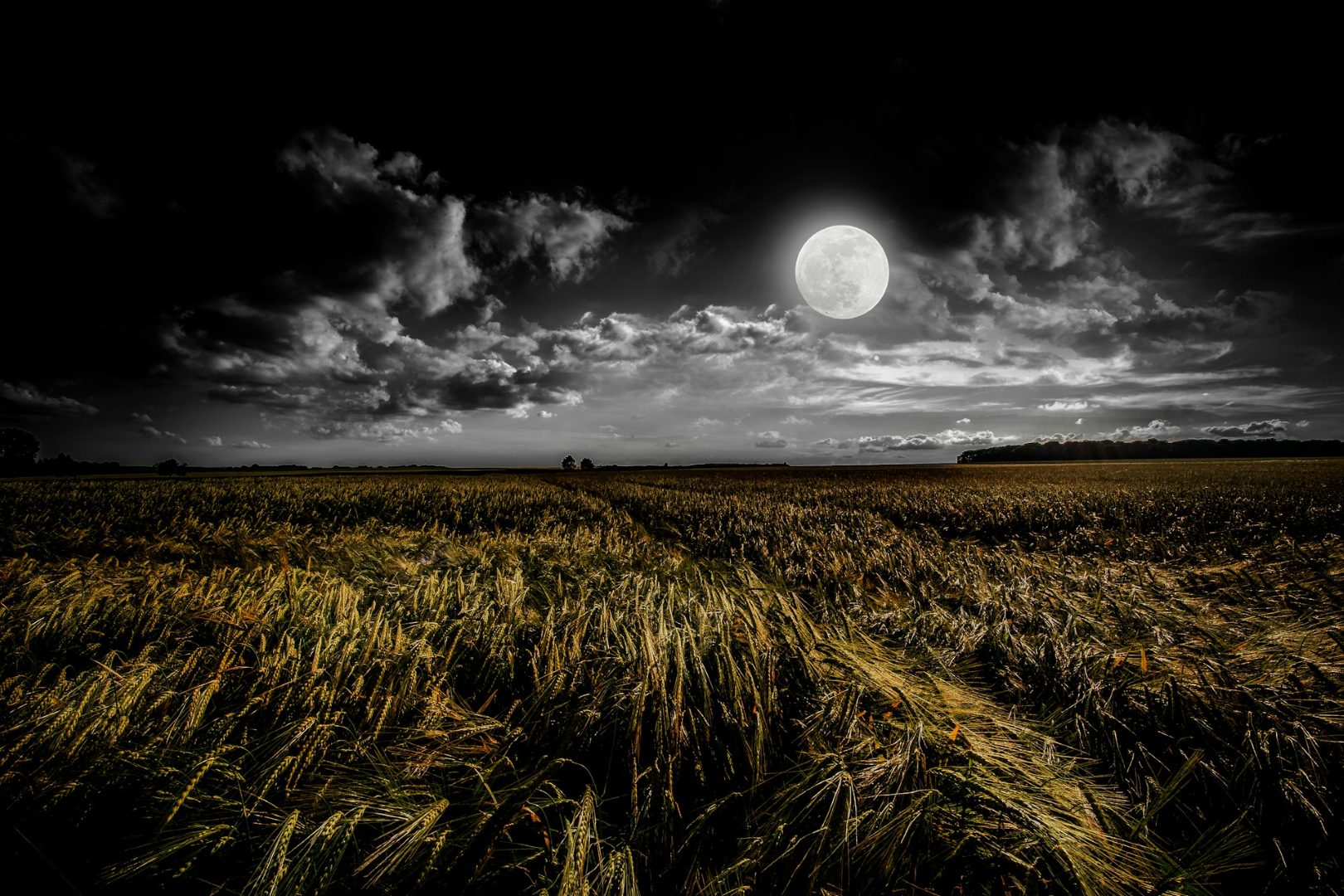
– Full Moon: The entire face of the moon is illuminated and appears as a complete circle.
– Waning Gibbous: The illuminated part of the moon starts to decrease and appears as a shrinking circle.
– Third Quarter: The moon is half illuminated again, but on the opposite side to the First Quarter.
– Waning Crescent: The illuminated part of the moon continues to decrease and appears as a thin crescent shape.
What Causes the Phases of the Moon?
The phases of the moon are caused by the relative positions of the Earth, Sun, and Moon. As the moon orbits around Earth, it receives sunlight from the Sun, and the amount of the illuminated part of the moon visible from Earth changes over time.
When the moon is positioned between the Earth and Sun during a new moon phase, the illuminated side faces the Sun, and we can’t see the moon at all. When the moon is positioned in line with the Earth and Sun during a full moon phase, the illuminated side of the moon is facing fully towards the Earth, and we see it as a large and glowing circle.
Why are the Phases of the Moon Important?
The phases of the moon have been studied and observed for thousands of years, and they play an important role in many cultures and religions. For example, different phases of the moon are used to determine the start and end of Jewish holidays or Islamic prayer times.
Moreover, the phases of the moon can also impact nature, such as the ocean tides, animal behavior and plant growth. Humans have also used the phases of the moon to track time, navigate, and plan events such as planting harvest, fishing and hunting expeditions, and even fertility.
What Does the Word Phase of the Moon Mean?
If you’ve ever gazed up at the sky and looked at the moon or read about the lunar cycle, then you’ve probably come across the word “phase.” But what do we mean by the “phase of the moon”? Here are some of the most frequently asked questions about the topic.
What is the Phase of the Moon?
The phase of the moon refers to the appearance of the illuminated portion of the moon as seen from the Earth’s surface. As the moon orbits the Earth, the amount of sunlight it reflects changes, resulting in different visible shapes or phases of the moon. There are eight primary phases of the moon, which occur at regular intervals throughout its 29.5-day lunar cycle.
What Are the 8 Phases of the Moon?
The 8 primary phases of the moon, in order, are:
New Moon
The new moon is the start of a new lunar cycle when the moon is positioned between the Earth and the sun. At this point, the side of the moon that faces the Earth is not illuminated by the sun and is therefore invisible from Earth.
Waxing Crescent
During the waxing crescent phase, the moon becomes visible as a thin crescent in the sky. The amount of the illuminated portion of the moon that we can see increases each night until it reaches the next phase.
First Quarter
The first quarter moon occurs when the moon has completed one-quarter of its lunar cycle. At this point, the illuminated portion of the moon is one-half visible from Earth.
Waxing Gibbous
In the waxing gibbous phase, the illuminated portion of the moon becomes more significant, covering more than half of its visible face.
Full Moon
The full moon is perhaps the most well-known phase of the lunar cycle. During this phase, the moon is entirely illuminated from our point of view on Earth. It is also the time when lunar eclipses occur.
Waning Gibbous
As the moon begins to wane, its illuminated portion starts to decrease, gradually appearing smaller each night. The waning gibbous phase is the time when the illuminated portion covers less than half of the visible surface of the moon.
Last Quarter
During the last quarter phase, the moon has completed three-quarters of its lunar cycle, and its illuminated portion is now one-half visible from Earth. Also known as the third quarter moon.
Waning Crescent
In the waning crescent phase, only a small portion of the illuminated surface is visible from Earth. This phase is the precursor to the new moon.
What Causes the Phases of the Moon?
The phases of the moon are caused by the relative position of the moon, Earth, and the sun. As the moon orbits the Earth, sunlight falls on its surface from different angles, creating the different phases that we can observe from Earth. The amount of sunlight that reaches the moon changes in regular intervals, causing the moon to appear differently throughout its lunar cycle.
What Can We Learn From the Phases of the Moon?
The phases of the moon have long been a subject of fascination for astronomers, astrologers, and sky enthusiasts alike. Understanding the lunar cycle and its various phases can tell us a great deal about our planet, including:
- The tides: The gravitational forces of the moon are responsible for the tides on Earth. The phases of the moon can significantly impact the height and strength of the tides.
- Agriculture: Certain phases of the moon are said to be beneficial for activities such as planting, pruning, and harvesting crops.
- Astronomy: Observing the phases of the moon can provide valuable insights into lunar geography and help us better understand the moon’s formation and evolution over time.
What Does the Word Phase of the Moon Mean?
If you have ever gazed at the moon, you may have noticed that it changes its shape every night. Sometimes, you may see a crescent, a half-circle or a full circle moon in the sky. These changes in the moon’s appearance are referred to as phases. In this blog post, we will discuss what the word phase of the moon means and how it occurs.
What is a Phase of the Moon?
The phase of the moon refers to its appearance as viewed from Earth. It is caused by the relative positioning of the moon, Earth, and the Sun. As the moon orbits around the Earth, we see different parts of the moon illuminated by the Sun. This illumination changes the shape of the visible part of the moon from a thin crescent to a full circle, and back again.
The eight phases of the moon, in order, are:
- New Moon
- Waxing Crescent
- First Quarter
- Waxing Gibbous
- Full Moon
- Waning Gibbous
- Last Quarter
- Waning Crescent
The complete cycle of the moon’s phases takes approximately 29.5 days to complete.
Why Do Moon Phases Occur?
The moon phase is the result of the position of the moon, Earth, and the Sun relative to each other. The moon orbits around the Earth while the Earth orbits around the Sun. When the moon is between the Sun and the Earth, the moon is not visible to us, and this is known as a new moon. When the Earth is between the Sun and the moon, the entire illuminated side of the moon is facing away from us, and this is called a full moon.
As the moon orbits the Earth, the angle between the moon, Earth, and Sun changes. This causes the amount of sunlight that reaches the moon to vary. The different angles of sunlight create the different phases of the moon that we see from Earth.
How to Observe Moon Phases?
Observing the moon’s phases is simple and can be done without any specialized equipment. Just look up at the night sky on a clear night and observe the moon’s shape. A new moon is impossible to see because it is in the same direction as the Sun.
As the moon moves away from the sun, it becomes visible in the western sky just after sunset as a thin crescent. As the moon moves towards the first quarter phase, the crescent becomes more prominent. When the moon reaches the first quarter, you can see it high in the sky at sunset.
At the next phase, the waxing gibbous phase, the moon appears as a large crescent, with most of the moon visible. During a full moon, the entire visible side of the moon is illuminated by the sun.
The moon’s phases continue to wane, and the moon appears to become smaller as it moves towards the last quarter. During the waning crescent phase, the moon appears as a thin crescent in the eastern sky just before sunrise. At this point, the cycle repeats, and the moon becomes a new moon again in approximately 29.5 days.
Conclusion
The moon’s phases are a fascinating astronomical phenomenon that has fascinated humans for centuries. Whether you see the full moon, waxing or waning crescent, or a new moon, observing the moon’s phases can be an awe-inspiring experience that reminds us of the complexity of our solar system. Using the information in this blog post, you can identify and observe the eight different phases of the moon with ease.