Introduction
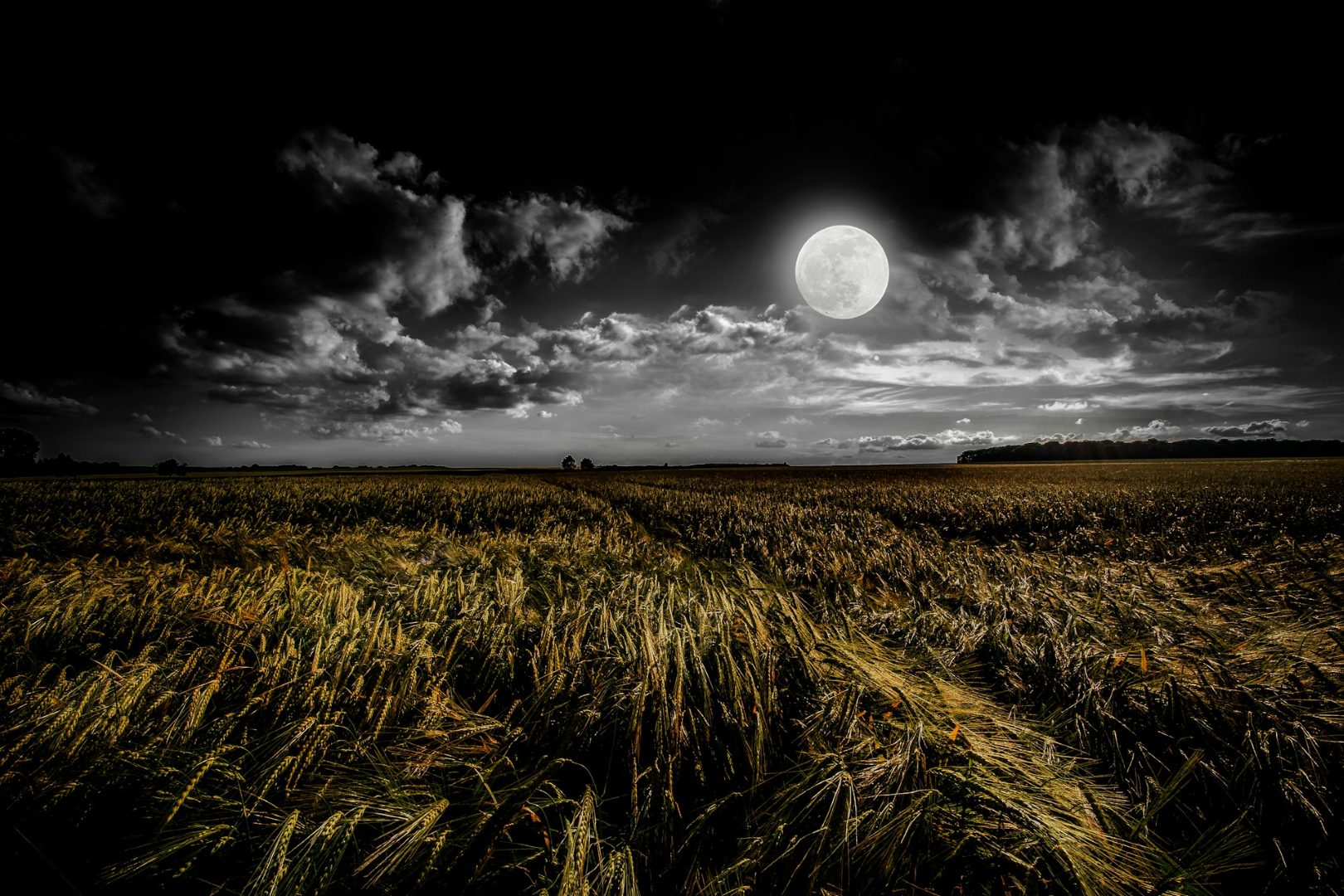
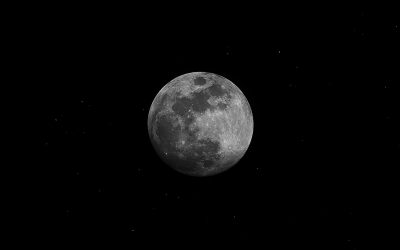
The full moon has always captured our imagination and been a subject of fascination for many cultures around the world. It holds a significant place in various traditions, folklore, and beliefs. But what does the full moon mean tonight? In this article, we will explore the symbolism, scientific facts, and cultural significance associated with the full moon to help you better understand its meaning and appreciate its beauty.
Symbolism of the Full Moon
The full moon represents different symbolism across cultures and time. Here are some common interpretations:
- Wholeness and Completion: The full moon is often seen as a symbol of completeness, suggesting that things have reached a full circle.
- Illumination and Enlightenment: Just as the full moon lights up the night sky, it is associated with enlightenment and clarity of thought.
- Cycles and Renewal: The full moon marks the peak of a lunar cycle, symbolizing renewal and the potential for new beginnings.
- Emotions and Inner Reflection: The full moon is believed to intensify emotions and provide an opportunity for self-reflection and understanding.
Scientific Facts about the Full Moon
Apart from its symbolic meanings, the full moon also has some interesting scientific facts associated with it:
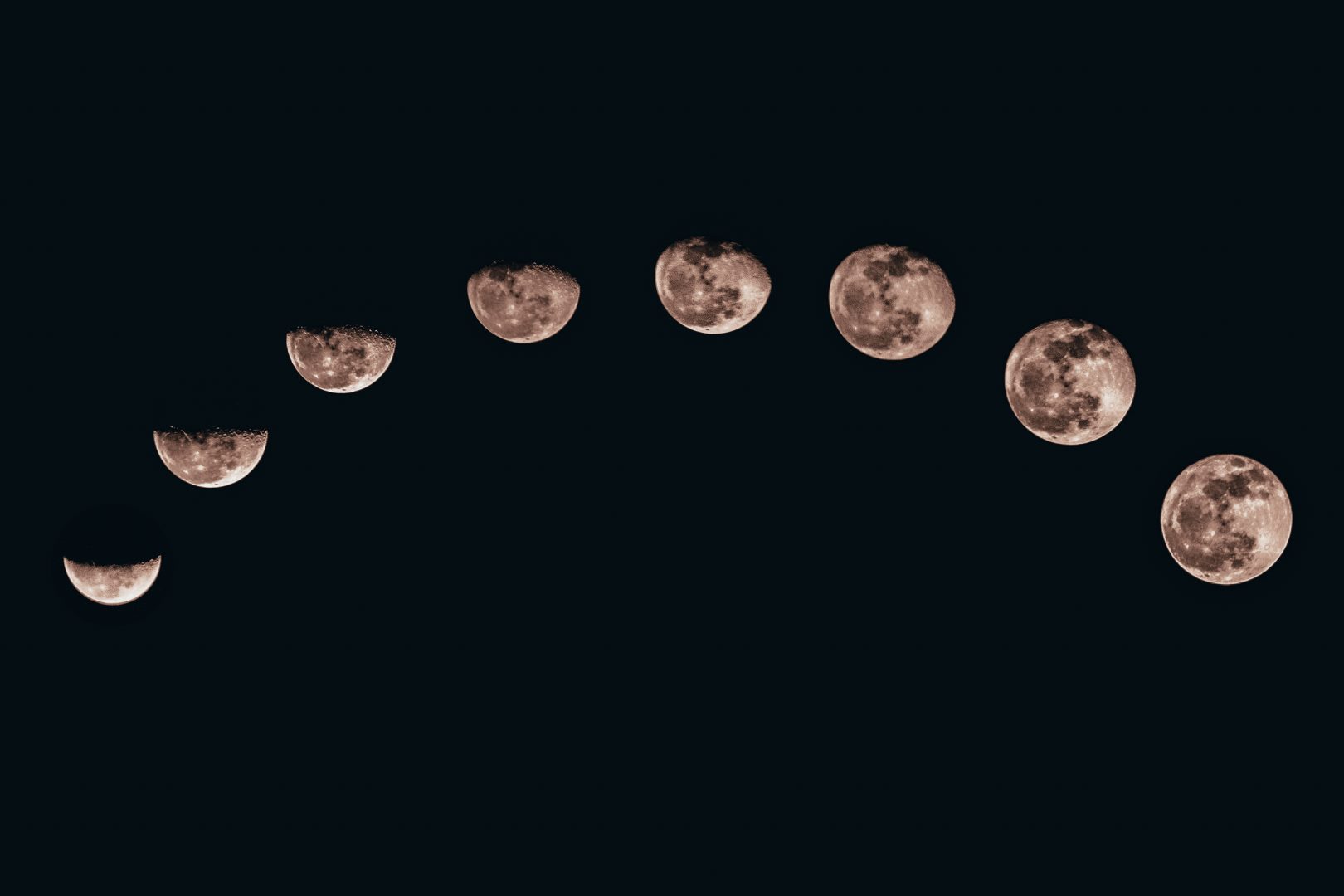
- Phases of the Moon: The moon goes through different phases, with the full moon being the stage when the sun completely illuminates the moon’s surface facing Earth.
- Visible Surface: During a full moon, the entire illuminated side of the moon is visible from Earth, creating a captivating sight.
- Frequency: A full moon occurs approximately every 29.5 days, marking the completion of one lunar cycle.
- Tidal Effects: The gravitational pull of the moon, particularly during a full moon, contributes to the rise and fall of tides on Earth, affecting oceanic ecosystems.
- Impact on Wildlife: The full moon can influence the behavior of certain animals, such as increased activity in nocturnal creatures.
Cultural Significance of the Full Moon
The full moon carries cultural significance in various traditions. Here are a few examples:
1. Moon Festivals:
Many cultures celebrate festivals honoring the full moon. For instance, the Mid-Autumn Festival in East Asia involves family gatherings, mooncakes, and lantern displays to celebrate the harvest and the full moon’s beauty.
2. Lunar Deities:
Numerous mythologies feature lunar deities associated with the full moon, such as Artemis (Greek mythology) and Chang’e (Chinese mythology). These deities represent diverse aspects like fertility, femininity, and protection.
3. Rituals and Practices:
Full moons often serve as a time for rituals, meditation, and spiritual practices. Some people believe that the moon’s energy is strongest during this phase, making it ideal for manifesting intentions or releasing negative energy.
Conclusion
The full moon holds various meanings, from symbolism to scientific facts and cultural significance. Whether you view it as a sign of wholeness, enlightenment, or a time for rituals, the full moon never fails to captivate our senses. Take a moment to appreciate the beauty of the full moon tonight and reflect on its many meanings.