
What Does a Pink Moon Stand For? Exploring the Mythology and Science Behind the Phenomenon
Throughout history, celestial events have captured the human imagination, inspiring myths, legends, and spiritual beliefs. The moon, in particular, has been the subject of fascination and wonder since time immemorial. One such captivating lunar event is the Pink Moon, which has stirred curiosity and significance in cultures around the world. In this blog post, we delve into the mythology and science behind the Pink Moon, uncovering the meaning it holds for different societies and exploring the astronomical phenomena that give it its unique hue.
The Pink Moon Phenomenon Explained
Contrary to popular belief, the Pink Moon doesn’t actually appear pink in color. Instead, it refers to the full moon that graces the night sky during the month of April in the northern hemisphere. The name “Pink Moon” has its roots in Native American folklore, specifically the Algonquin tribes of eastern North America, who associated different full moons with various natural occurrences.
The Pink Moon was named so to honor the blossoming of pink wildflowers, particularly a species called Phlox subulata, also known as moss pink or creeping phlox. Its vibrant pink blooms would often coincide with the appearance of the full moon during April, leading to the name Pink Moon. While the moon itself doesn’t emit a pink hue, the name perfectly captures the connection between the lunar cycle and the blossoming of springtime flowers.
Mythology and Cultural Significance
Throughout history, numerous cultures have assigned mystical and symbolic significance to the moon, viewing it as a powerful celestial entity. As such, the appearance of a full moon often held great importance and was associated with various meanings and rituals.
Native American Legends
For Native American tribes, including the aforementioned Algonquin people, the moon played a crucial role in their cultural and spiritual beliefs. Among the Algonquin, the Pink Moon was seen as a harbinger of fertility, growth, and rebirth. It marked the arrival of spring and signaled the time for planting crops, embracing the abundance of nature.
Other Native American tribes had their own interpretations and names for the full moon in April. The Cree called it the “Fish Moon,” symbolizing the return of fish and the start of the fishing season. The Sioux referred to it as the “Moon When Geese Return,” linking the seasonal migration of geese with the moon’s appearance.
Christian Traditions
In Christian traditions, the Pink Moon is often associated with Easter, the most important holiday in the Christian calendar. Easter falls on the first Sunday following the first full moon after the vernal equinox. Therefore, the Pink Moon, which typically appears just before or after Easter, is considered significant in the context of the resurrection of Jesus Christ and the spiritual themes of renewal and redemption.
Asian Cultural Beliefs
Asian cultures also have their interpretations and beliefs regarding lunar events. In Chinese folklore, the full moon represents family reunion and togetherness. The Mid-Autumn Festival, also known as the Moon Festival, is one example of the importance given to lunar cycles. Celebrated during the full moon in September, this festival involves gathering with loved ones, appreciating the moon’s beauty, and enjoying mooncakes, a traditional delicacy.
The Science of Moon Phases
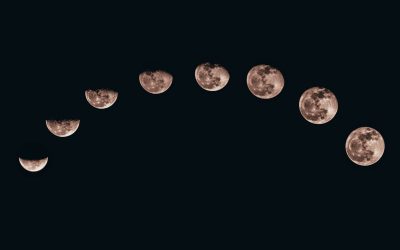
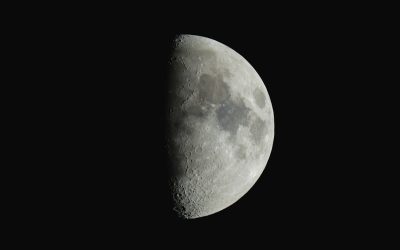
While the cultural and spiritual significance of the Pink Moon is fascinating, it’s important to understand the scientific phenomenon behind moon phases. The moon doesn’t emit its own light; instead, it reflects the Sun’s light back to Earth. As the moon orbits our planet, different portions of its surface are illuminated by the Sun, giving rise to the various recognizable moon phases.
The full moon occurs when the Earth is positioned between the Sun and the moon. In this alignment, the Sun fully illuminates the side of the moon facing Earth, causing it to appear as a complete disc. Conversely, a new moon occurs when the moon is positioned between the Earth and the Sun, resulting in its dark silhouette against the sky.
Moreover, atmospheric conditions and environmental factors can create subtle variations in the moon’s color. When the moon appears low on the horizon, its light must pass through a greater distance of Earth’s atmosphere. This causes the shorter wavelength colors (such as blue and green) to scatter, while the longer wavelengths (such as red and pink) are able to reach our eyes, giving rise to the illusion of a pink or reddish hue.
Conclusion
The Pink Moon, while not truly pink in color, carries a wealth of cultural and scientific significance. From Native American beliefs in the arrival of spring and new beginnings to Christian traditions linked to Easter, the Pink Moon resonates with various mythologies and symbolisms throughout human history. Understanding the science behind moon phases further enriches our appreciation for this celestial phenomenon and allows us to marvel at the beauty of the night sky, inviting wonder and curiosity into our lives.
Next time you catch a glimpse of the full moon during the month of April, take a moment to reflect on the stories, legends, and scientific marvels that the Pink Moon encompasses. The celestial wonders above us continue to ignite our imagination and remind us of our interconnectedness with the universe.