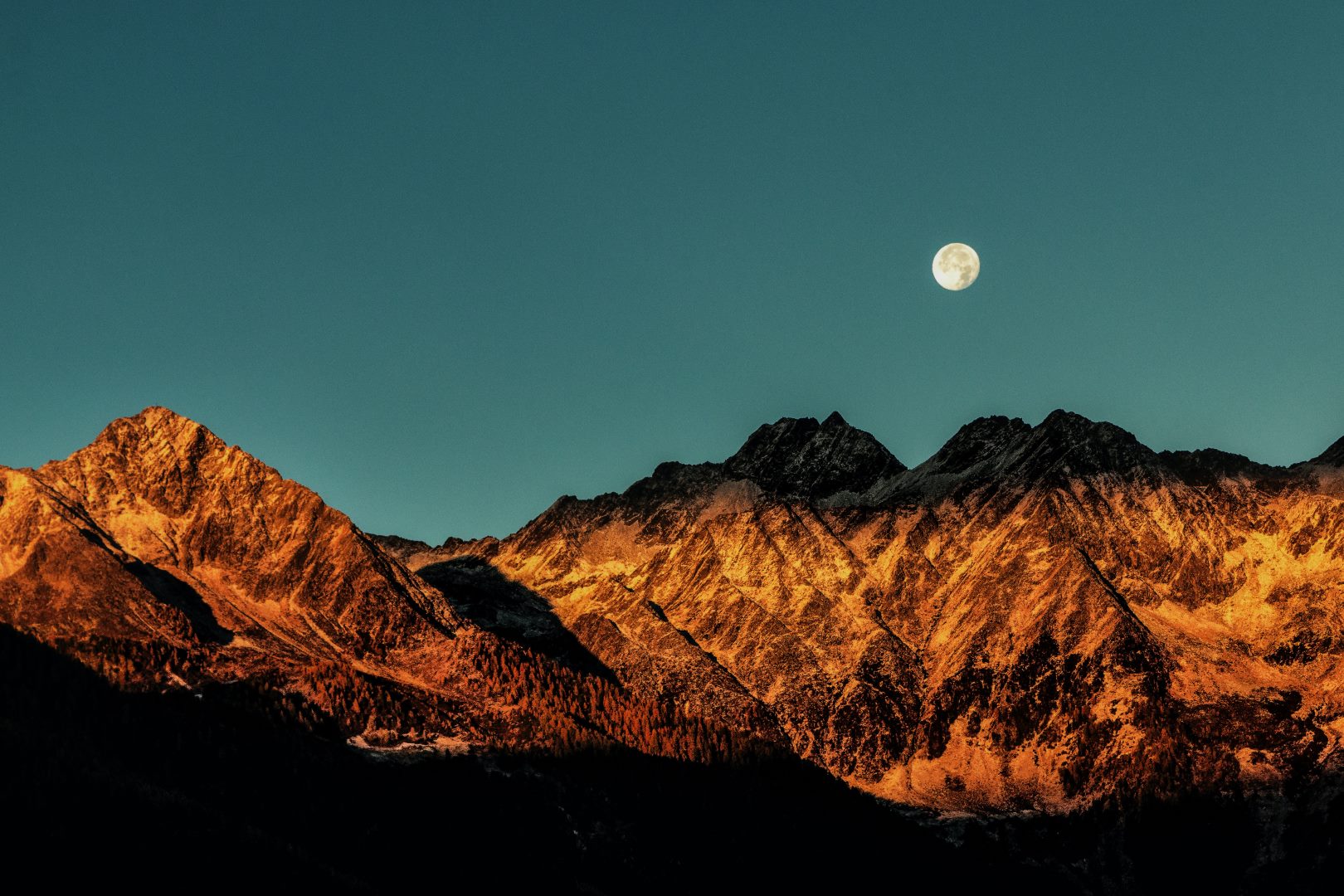
Are you eager to unlock even deeper insights into your destiny? Let the celestial power of the moon guide you on your journey of self-discovery. Click here to get your FREE personalized Moon Reading today and start illuminating your path towards a more meaningful and fulfilling life. Embrace the magic of the moonlight and let it reveal your deepest desires and true potential. Don’t wait any longer – your destiny awaits with this exclusive Moon Reading!
When we talk about the moon, most of us are familiar with the classic image of a bright, round celestial object glowing in the night sky. However, there is a significant phase in the moon’s cycle that often goes unnoticed – the new moon. In this article, we will explore what a new moon looks like from Earth and why it may not be exactly what you expect.
Understanding the Lunar Phases
Before we dive into the specifics of the new moon, it’s important to understand the basics of lunar phases. The moon goes through a cycle of eight distinct phases, starting with the new moon and progressing through waxing crescent, first quarter, waxing gibbous, full moon, waning gibbous, third quarter, and finally, waning crescent. This cycle repeats approximately every 29.5 days.
The New Moon Phase
The new moon phase occurs when the moon is positioned between the Earth and the Sun, with the side illuminated by the Sun facing away from our planet. During this phase, the moon appears almost completely dark and is not visible to the naked eye against the backdrop of the sky.
Contrary to popular belief, the new moon is not the same as a solar eclipse. Although the moon is aligned with the Sun during both events, a solar eclipse occurs when the moon passes directly between the Earth and the Sun, blocking sunlight and casting a shadow on Earth.
Why Can’t We See the New Moon?
The primary reason the new moon is not visible to us is due to its alignment with the Sun. From Earth, the illuminated side of the moon is facing away, leaving the part we can see completely in darkness. A small amount of sunlight reflected from Earth back onto the moon, called earthshine, does provide a subtle glow to the dark side of the moon during this phase.
Additionally, the new moon phase often occurs during daylight hours, making it further difficult to spot. The moon’s position in the sky also plays a role, as it is generally in close proximity to the Sun during this phase, causing it to rise and set around the same time as the Sun.
Occasions to Observe the New Moon
While the new moon isn’t visible under normal circumstances, there are a few occasions when it can be observed:
- Solar Eclipse: During a total solar eclipse, the moon aligns perfectly with the Sun, creating a rare opportunity to witness the new moon casting a shadow on Earth.
- Lunar Surface Features: The absence of direct sunlight during the new moon phase can reveal subtle details on the moon’s surface, making it an ideal time for lunar exploration and studying its topography.
Outside of these unique circumstances, the new moon remains largely invisible to the naked eye.
Conclusion
Although the new moon may not be a striking sight like the full moon, understanding its significance and the reasons behind its apparent invisibility can deepen our appreciation for the moon’s ever-changing nature. From its alignment with the Sun to the absence of direct sunlight, the new moon holds a mysterious allure that continues to captivate astronomers and casual observers alike.
Related posts:
What are the astrological effects of a solar eclipse? What are the astrological effects of a solar eclipse? A solar eclipse is a cosmic phenomenon that occurs when the Moon passes between the Sun and Earth, causing the Sun to temporarily disappear from the sky. This captivating event has been observed for centuries, and it continues to fascinate people from all over the world. […]…
What to Do on New Moon Solar Eclipse? What to Do on New Moon Solar Eclipse? The new moon solar eclipse is a rare and fascinating phenomenon that occurs when the sun, moon, and Earth align. During this time, the moon blocks the sun’s rays, resulting in a temporary darkness across parts of the Earth. For many cultures worldwide, people believe this is […]…
What To Do On A New Moon Solar Eclipse What To Do On A New Moon Solar Eclipse A new moon solar eclipse is a powerful astrological event that occurs when the moon passes between the sun and the earth. This event marks the beginning of a new lunar cycle and is a time for new beginnings, transformation, and manifestation. Here are some ways […]…
The Meaning of Full Moon Eclipse in Astrology The Meaning of Full Moon Eclipse in Astrology The moon has been a symbol of mystery and magic throughout human history, and the full moon is no exception. It’s a time of heightened emotions, romance, and self-reflection. But when a full moon aligns with an eclipse, the energies intensify, and astrologers take notice. In astrology, […]…
What Is a Solar Lunar Eclipse and How Does It Occur? What Is a Solar Lunar Eclipse and How Does It Occur? When we think of astronomical events that capture our imagination, few are as captivating as solar and lunar eclipses. These rare celestial phenomena have fascinated humans for centuries and continue to mesmerize us with their breathtaking beauty and astronomical significance. In this blog post, […]…
What Does a Blood Moon Eclipse Mean Spiritually? What Does a Blood Moon Eclipse Mean Spiritually? A blood moon eclipse is an astronomical phenomenon that occurs when the moon is fully shaded by the Earth’s shadow, giving the moon a reddish hue. While this event has a scientific explanation, many people believe that the blood moon eclipse has spiritual significance. In this post, […]…
The Meaning of Today’s Lunar Eclipse in Astrology The Meaning of Today’s Lunar Eclipse in Astrology Tonight, we are graced with a beautiful and rare event – a total lunar eclipse. It is said that the energy during an eclipse is powerful and magnified, and astrology enthusiasts are buzzing with excitement about what this particular lunar eclipse may bring. What is a Lunar […]…
Astrological Effects of Today’s Lunar Eclipse Astrological Effects of Today’s Lunar Eclipse The much-awaited phenomenon of the lunar eclipse occurs when the Earth comes in between the Sun and the Moon, casting a shadow on the lunar disk. This celestial event is not just a visual delight but also has astrological implications that can affect our lives in various ways. What […]…
Are you eager to unlock even deeper insights into your destiny? Let the celestial power of the moon guide you on your journey of self-discovery. Click here to get your FREE personalized Moon Reading today and start illuminating your path towards a more meaningful and fulfilling life. Embrace the magic of the moonlight and let it reveal your deepest desires and true potential. Don’t wait any longer – your destiny awaits with this exclusive Moon Reading!
Have you found this article insightful? Chances are, there’s someone else in your circle who could benefit from this information too. Using the share buttons below, you can effortlessly spread the wisdom. Sharing is not just about spreading knowledge, it’s also about helping to make MeaningfulMoon.com a more valuable resource for everyone. Thank you for your support!