Understanding the Meaning of Reversed Tarot Cards
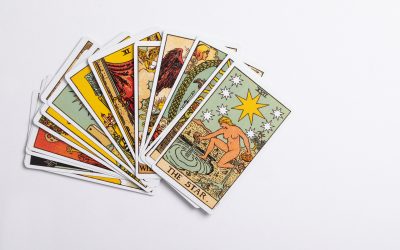
When exploring the mysterious world of tarot cards, it’s essential to delve into the meaning and symbolism behind each card. Tarot cards are known for their ability to provide guidance, insight, and perspective on various aspects of life. One intriguing aspect of tarot readings is the appearance of reversed cards. These cards, when drawn upside down or with the imagery inverted, carry a distinct message that adds depth and complexity to the reading.
What are Reversed Tarot Cards?
In a traditional tarot deck, there are 78 cards, each representing a unique energy, archetype, or theme. When a card is drawn and placed upside down during a reading, it is called a reversed card. Reversed cards have a different interpretation compared to their upright counterparts but are equally important in providing insights and guidance.
The appearance of a reversed card in a tarot reading indicates that the energies associated with the card may be blocked or in a state of imbalance. The reversal alters the meanings conveyed by the card, highlighting obstacles, delays, or inner conflicts that need to be addressed.
Interpreting Reversed Tarot Cards
Interpreting reversed tarot cards requires careful consideration of the symbolism, archetypal meanings, and personal intuition. While the interpretation may vary depending on the reader, there are several common themes and interpretations associated with reversed tarot cards.
1. Blocked Energy or Obstacles
One of the most common interpretations of reversed tarot cards is that they symbolize blocked energy or obstacles. These cards suggest that there may be barriers, resistance, or challenges in the querent’s life preventing the energies represented by the card from flowing freely or manifesting positively.
For example, if the upright card typically signifies creativity and inspiration, when reversed, it may indicate creative blocks or a lack of motivation. Similarly, a card associated with relationships may suggest difficulties or communication issues when reversed.
2. Inner Conflict or Unresolved Issues
Reversed tarot cards can also reflect inner conflicts or unresolved issues within the querent. They may highlight internal dilemmas, doubts, or emotional turmoil that are affecting the situation at hand.
These cards act as a gentle reminder to address and resolve any conflicting thoughts, beliefs, or emotions. By recognizing and working through these internal conflicts, the querent can regain a sense of balance and harmony.
3. Delays or Slowed Progress
Another common interpretation of reversed tarot cards is that they signify delays or slowed progress. These cards suggest that the energy represented by the card is impeded or taking longer to manifest.
For example, a reversed card associated with career advancement may indicate a temporary professional setback or need for patience. It may also imply that extra effort or adjustments are necessary to overcome obstacles and move forward.
4. Shadow Aspects and Hidden Influences
Reversed tarot cards can also reveal shadow aspects and hidden influences within a situation. These cards expose underlying motivations, subconscious patterns, or unacknowledged aspects that may be shaping the current circumstances.
When a reversed card appears, it prompts the querent to explore their own shadow self or look beyond the surface level to understand the deeper dynamics at play. This introspection can lead to a greater understanding of one’s own motivations and potential actions needed for growth and transformation.
5. Opposite or Inverted Meanings
Lastly, reversed tarot cards can simply indicate the opposite or inverted meaning of the upright card. Each card holds a duality and can represent both positive and negative aspects, depending on its orientation.
For example, an upright card signifying abundance and prosperity may suggest financial setbacks or scarcity when reversed. This reversal provides a valuable reminder to approach the situation with caution and make wise decisions to restore balance.
Adding Depth to Tarot Readings
While the appearance of reversed tarot cards may initially seem daunting or negative, it is important to embrace them as valuable additions to tarot readings. Reversed cards offer a deeper understanding of the complexities and nuances within a situation. They encourage reflection, self-awareness, and a more comprehensive interpretation of the reading.
When interpreting reversed tarot cards, it is crucial to consider the surrounding cards, the querent’s question, and intuition. The reader should reflect on the overall energy, symbolism, and context of the reading to derive meaningful insights from the reversed cards.
It is worth noting that reversed tarot cards do not always indicate negative or undesirable outcomes. Instead, they provide an opportunity for growth, self-reflection, and course correction.
Conclusion
The appearance of reversed tarot cards adds depth and complexity to the interpretation of tarot readings. These cards symbolize blocked energy, inner conflicts, delays, hidden influences, and inverted meanings. Understanding and interpreting reversed tarot cards requires careful consideration of symbolism, intuition, and the context of the reading.
By embracing the messages of reversed tarot cards, readers can provide more profound and nuanced guidance to their querents. The reversed cards act as powerful tools to explore the shadows and hidden aspects of life, paving the way for personal growth, self-awareness, and positive transformation.