The Waning Crescent Moon: A Guide to the Final Phase of the Lunar Cycle
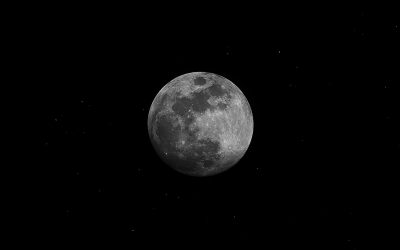
The moon, our closest celestial neighbor, has captivated human beings for centuries. Its mesmerizing presence has inspired countless myths, legends, and scientific investigations. While we often marvel at the moon’s full and half phases, there is a lesser-known phase that holds its own unique allure – the waning crescent moon.
In this comprehensive guide, we will delve into the fascinating world of the waning crescent moon. We will explore its characteristics, symbolism, scientific significance, and cultural influences. So buckle up and join us on this celestial journey!
What is a Waning Crescent Moon?
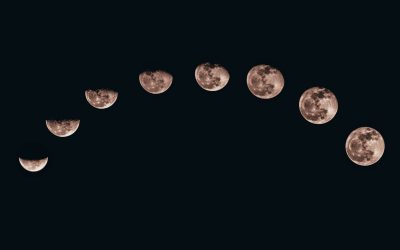
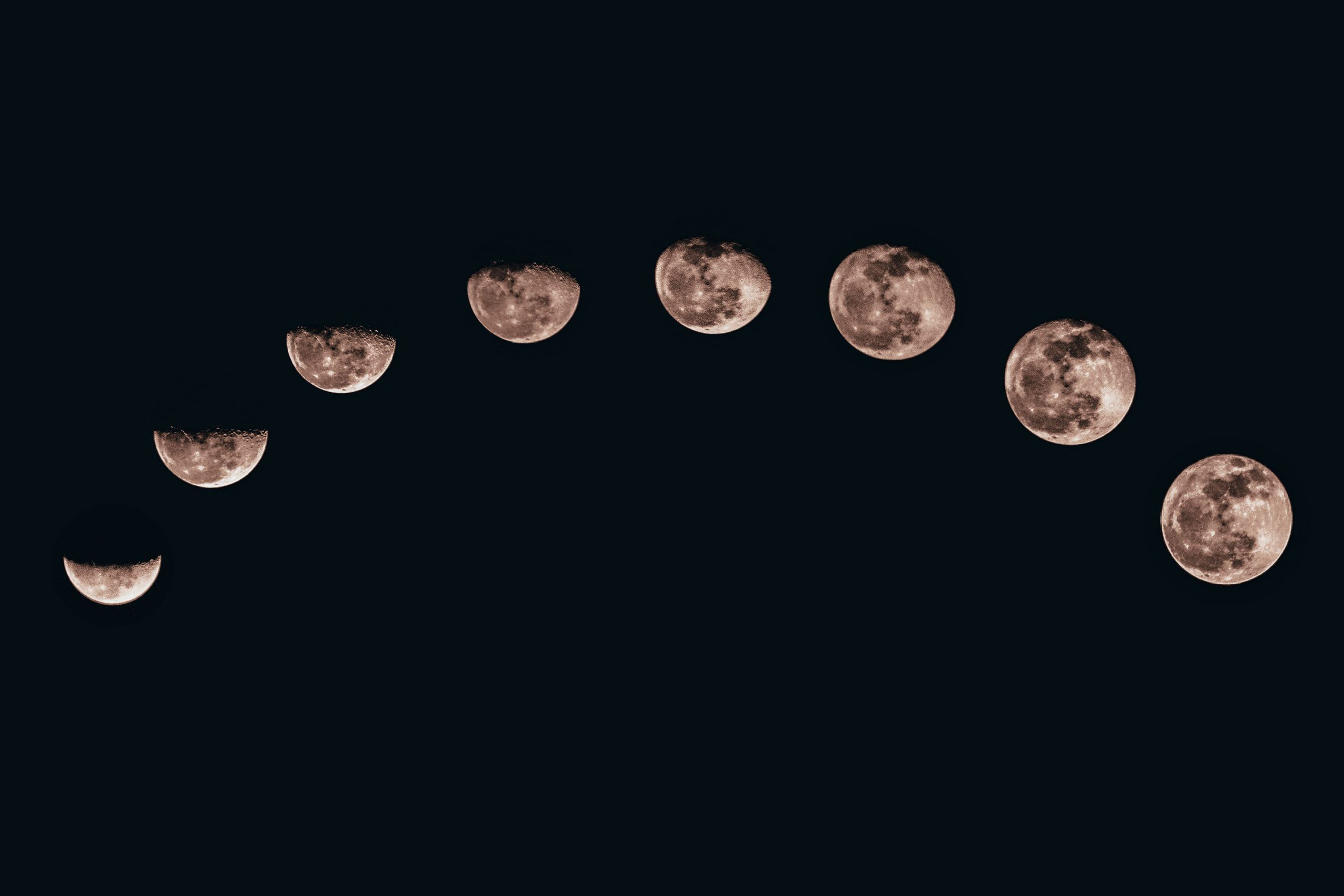
Before we dive into the specifics of the waning crescent moon, let’s briefly review the lunar cycle. The moon’s phases are a result of its orbit around the Earth in relation to the Sun. As sunlight illuminates different portions of the moon, it appears to undergo distinct phases, lasting approximately 29.5 days.
The waning crescent moon is the final phase of the lunar cycle, occurring just before a new moon. During this phase, the moon’s illuminated surface becomes narrower and slimmer each night, resembling a sliver or crescent – hence its name. The waning crescent moon is a transitional period between the waning gibbous and new moon phases.
Characteristics and Appearance
When it comes to the waning crescent moon, size does matter. Due to its proximity to the new moon, the waning crescent moon appears relatively small in the night sky. Its sliver of light extends from the right side in the northern hemisphere and the left side in the southern hemisphere.
With its diminishing size, the waning crescent moon showcases a mesmerizing combination of light and shadow. The illuminated part of the moon emits a faint glow, creating an ethereal and mystical ambiance. Observers may witness the subtle interplay between darkness and light as the moon edges closer to its next phase.
Scientific Significance
Beyond its aesthetic beauty, the waning crescent moon holds significant scientific importance. Astronomers and researchers study this phase to gain insights into various lunar phenomena, including the moon’s surface topography, temperature variations, and geological features.
Due to the diminished luminosity of the waning crescent moon, astronomers can observe faint stars and planets that are usually obscured by the moon’s brightness during other phases. This presents unique opportunities for stargazers to explore the night sky beyond the moon itself.
Symbolism and Cultural Influences
The waning crescent moon has captivated human imagination throughout history, serving as a symbol in various mythologies, religions, and cultural practices. Its association with darkness, transformation, and renewal has made it a powerful motif in folklore and art.
In ancient civilizations, the waning crescent moon often symbolized the cycle of life, death, and rebirth. It represented the shedding of old energy and the preparation for new beginnings. Many cultures also regarded it as a time of introspection, where individuals could reflect on their experiences and prepare for personal growth.
In astrology, the waning crescent moon is considered a period of release and surrender. It encourages individuals to let go of what no longer serves them and make space for new opportunities. Many spiritual practices and rituals align with the waning crescent moon, offering an opportunity for personal reflection, meditation, and intention-setting.
Observing the Waning Crescent Moon
Interested in observing the waning crescent moon? Luckily, you don’t need fancy equipment or technical expertise to witness its beauty. With just your eyes and a clear night sky, you can embark on a celestial adventure.
Here are a few tips to enhance your waning crescent moon viewing experience:
- Choose a location away from light pollution to enjoy the moon’s luminosity.
- Check the lunar calendar or a trusted astronomy website to determine the exact dates of the waning crescent phase.
- Wake up early in the morning before sunrise to catch the waning crescent moon just above the horizon.
- Consider using binoculars or a small telescope to observe intricate details on the lunar surface.
Remember to dress warmly, bring a cozy blanket, and immerse yourself in the tranquility of the night sky.
In Conclusion
The waning crescent moon, with its subtle glow and diminishing silhouette, embodies the beauty and mystery of the lunar cycle’s final phase. From its scientific significance to its cultural symbolism, this celestial wonder has left an indelible mark on human history.
Next time you glance up at the night sky and notice that slender crescent, take a moment to pause and appreciate the delicate dance of light and shadow. The waning crescent moon invites us to reflect, release, and embrace the infinite possibilities that lie ahead.