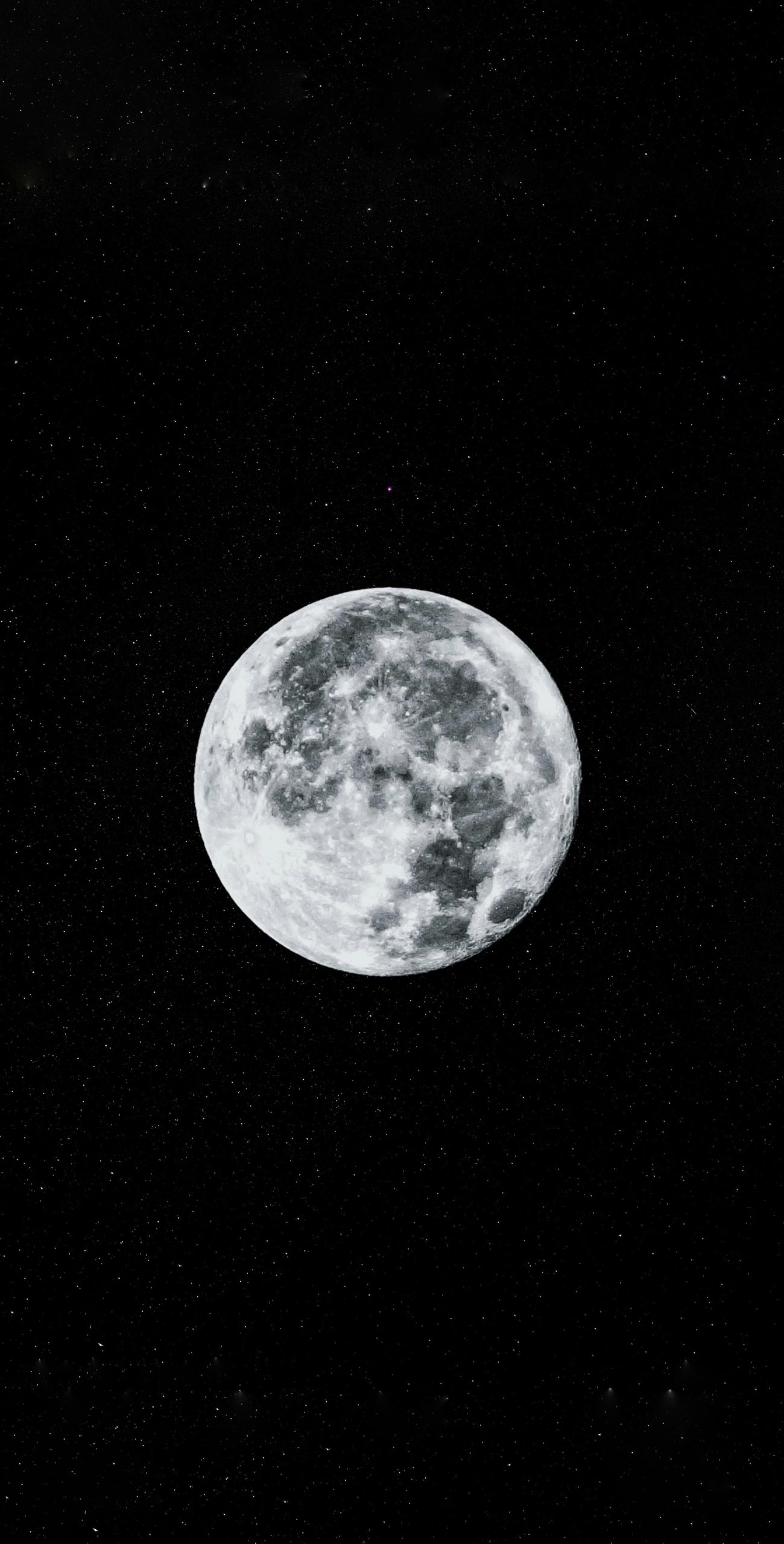
The Moon in Native American Language
For many Native American cultures, the moon holds great significance and importance. The moon is revered across many tribes as a symbol of unity, time, and cycles of life. In this post, we will explore the moon’s meaning across different Native American languages and traditions.
Lakota
In Lakota tradition, the moon is called Thita. It is believed that Thita holds a significant spot in the circle of life, representing the cycle of birth, growth, and death. The Lakota people believe that Thita affects everything from animal behavior to human emotions.
Cherokee
Cherokee people refer to the moon as Selu, which means “corn.” Moon ceremonies are conducted in the Cherokee communities, especially during harvest time when the corn is the most bountiful. The Cherokee consider Selu as the spirit keeper of crops, helping to ensure a good harvest.
Navajo
The Navajo people call the moon Haashchʼéékʼah, meaning “moon of changing seasons.” According to Navajo tradition, the moon is associated with the feminine power and energy. It is believed to govern women’s reproductive cycles and plays a significant role in the many Navajo healing ceremonies.
Apache
The Apache people refer to the moon as Usen, which means “the one who sees.” The Apache believe that the moon has the ability to observe both their actions and thoughts, offering guidance and direction in life. The moon is also considered a symbol of fertility and is associated with the cycle of life and death.
Inuit
In Inuit tradition, the moon is called Malina, meaning “woman.” The Inuit believe that Malina is a powerful spirit and is connected to the lunar cycles, the changing of seasons, and the tides. For the Inuit, the moon is a guide and protector for their people.
The Moon in Native American Language: FAQ
The Moon holds a significant place in Native American folklore and culture. Native American languages have numerous words and phrases that describe the Moon’s various phases, shapes, and roles in their lives. In this blog post, we will explore some frequently asked questions about the Moon in Native American Language.
What is the significance of the Moon in Native American culture?
The Moon has a vast array of significance in Native American culture. For many tribes, the Moon reflects the cycle of life, with full moons signifying birth and new beginnings, while new moons represent death and endings. The Moon is also seen as a symbol of feminine power and intuition, representing the female aspect of creation. Additionally, the Moon plays a crucial role in traditional ceremonies, including community gatherings, dances, and rituals, often being used as a focal point or guide for tribal activities.
What are the different names given to the Moon in Native American Languages?
Native American languages have many different words and phrases for the Moon. Some of the most common names for the Moon across various tribes include:
- Abinoojii (Ojibwe): It means ‘Man of the Dawn.’
- Ahinawake (Crow): It means ‘Woman who watches over us.’
- Gichigamiwi-ziibi (Anishinaabe): It means ‘The river that flows to Gichigami.’
- Astilan (Chumash): It means ‘The Moon.’
- Ha’aheo o ka malama (Hawaiian): It means ‘Proud of the Moon.’
What is the role of the Moon in Native American folklore?
The Moon holds significant importance in Native American folklore, often being used to explain natural phenomena or teach valuable lessons to people. For example, the Cheyenne tribe has a story that explains how the Moon came to be. In this story, it is said that a group of women asked the Creator to give them light to see during the night. As a result, the Creator took a piece of metal and threw it into the sky, where it became the Moon.
Additionally, some tribes believe that the Moon has a direct connection to fertility and the growth of crops, with certain lunar phases being used to guide planting and harvesting activities.
What do different Moon phases signify in Native American culture?
Native American cultures have their interpretation of the various Moon phases, often using them as a guide for activities and ceremonies. Some of the most common interpretations include:
- New Moon: This phase symbolizes new beginnings, opportunities, and planting the seeds for future growth.
- Full Moon: This phase represents fulfillment, completion, and abundance. Full moons often correspond with traditional ceremonies and celebrations.
- Waning Moon: This phase signifies release, letting go, and shedding old habits or negative energy. It is often used for healing and cleansing rituals.
- Waxing Moon: This phase symbolizes growth, learning, and building strength. It is an excellent time for planting seeds, setting new goals, and focusing on personal growth.
How do Native American languages describe the different shapes of the Moon?
Native American languages have many different words to describe the various shapes of the Moon. Some common descriptions include:
- Crescent Moon: Usually referred to as ‘horned’ or ‘curved’ moon, symbolizing growth and expansion.
- Half Moon: Sometimes called ‘split’ or ‘divided’ moon, representing balance and duality.
- Full Moon: Called ’round’ or ‘plump’ moon, signifying completion and fulfillment.
- New Moon: Often referred to as ‘dark’ or ‘invisible’ moon, symbolizing new beginnings and opportunities.
The Moon in Native American Language
The Moon has always been an important part of Native American culture. Native American tribes have always revered the moon for its beauty and associated it with various legends and deities. Every tribe had its own name for the moon based on various attributes. In this article, we will explore the names of the moon in various Native American languages.
The Importance of the Moon in Native American Culture
Native Americans view the moon as a powerful spiritual symbol that holds deep meaning and significance in their culture. The moon holds special importance in Native American astronomy and is used to track time in their lunar calendars.
The importance of the moon is also widely recognized in Native American folk tales and mythology. Many Native American tribes associate the moon with their creation stories and the cycles of life and death.
The Names of the Moon in Native American Languages
There is a great diversity when it comes to the native languages of America, and with that comes different words used to describe the moon. Here are some of the names given to the moon by various tribes:
Cherokee Language
The Cherokee tribe, which is native to the southeastern United States, has numerous words to describe the moon based on its phases. The word for full moon is Unolvtani, which means “the moon is made full”. The word for new moon is Sgili, which means “the moon is gone”.
Lakota Language
The Lakota tribe, located in the Great Plains region of North America, also has multiple names for the moon. The full moon is called Wi, which means “moon”. The new moon is called Wichahpi, which means “moon of darkness”.
Hopi Language
The Hopi tribe, from northeastern Arizona, call the moon Màasaw. They believe that Màasaw is the guardian of the night and the creator of people.
Cheyenne Language
The Cheyenne tribe, which is found in the Great Plains region of North America, call the moon Hoomaanii. They believe that the moon has a calming influence and can help to soothe a troubled mind.
The Moon’s Role in Native American Astronomy
Many Native American tribes use the moon to track time in their lunar calendars. The lunar calendar is a complex system that uses the cycles of the moon to determine the passage of time.
The calendar tracks the thirteen moons of the lunar year with each moon representing a specific time of the year. The full moon of each lunar month is given a specific name that reflects the season, the weather or the activities associated with the tribe.
The lunar calendar is still used today by modern Native American tribes as a way of maintaining their traditions.
Conclusion
The moon holds a special place in Native American culture. Each tribe has its own unique name for the moon, and on top of that, the moon played an important role in their traditional calendar systems. It’s fascinating to learn about the diversity that exists among the various tribes of Native Americans and how they all show their respect to the moon.
As we learn more about Native American culture and history, we can better understand their connection to nature and the environment around them.
Table of Contents