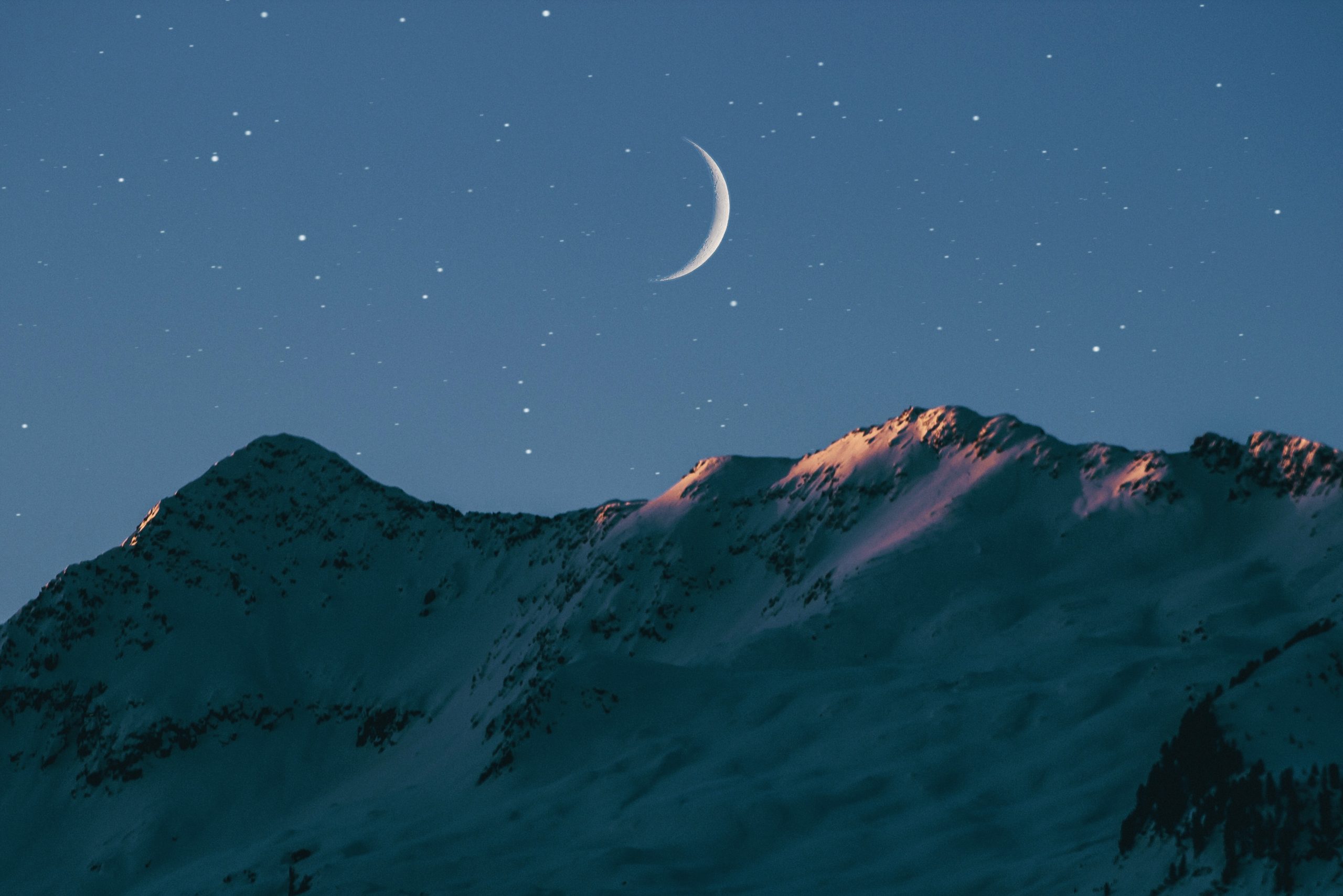
The Moon: Exploring its Different Shapes
The Moon, our closest celestial neighbor, has captivated humans for centuries with its serene beauty and enigmatic presence. Throughout the lunar cycle, we observe the Moon in various shapes and sizes. These distinct shapes, known as lunar phases, have fascinated astronomers, poets, and scientists, sparking both curiosity and wonder. In this blog post, we delve into the different shapes of the Moon, understand their origins, and explore the impact they have on our planet and beyond.
Understanding Lunar Phases
The lunar phases refer to the different shapes the Moon appears to take on as it orbits around the Earth. This visual transformation occurs due to the interplay between the Sun, Earth, and the Moon.
The Moon does not emit its own light, instead, it reflects the Sun’s light towards Earth. As the Moon orbits our planet, it constantly receives sunlight from varying angles. The different shapes we observe are a result of the illuminated portion of the Moon that is visible to us from Earth.
The Eight Primary Lunar Phases
There are eight primary lunar phases, each with its own distinct appearance:
- New Moon
- Waxing Crescent
- First Quarter
- Waxing Gibbous
- Full Moon
- Waning Gibbous
- Last Quarter
- Waning Crescent
New Moon
The New Moon phase occurs when the Moon is positioned between the Earth and the Sun. During this phase, the Sun illuminates the far side of the Moon, leaving the side facing Earth dark. As a result, the Moon appears invisible or as a thin, delicate crescent that blends into the night sky.
Waxing Crescent
Following the New Moon, a small portion of the Moon becomes visible, marking the beginning of the Waxing Crescent phase. The sliver of light is reminiscent of a crescent shape, slightly growing in size each night. The remainder of the Moon remains hidden from view.
First Quarter
When half of the Moon’s visible surface is illuminated, we call it the First Quarter phase. At this point, the Moon appears as a semi-circle or a “D” shape in the sky. The name “First Quarter” is slightly misleading, as it refers to the Moon completing one-quarter of its journey between New Moon and Full Moon, rather than the visible shape.
Waxing Gibbous
Following the First Quarter phase, the amount of illuminated Moon continues to increase until it reaches the Waxing Gibbous phase. During this time, more than half but less than the entire Moon’s surface is visible. The Moon appears as a rounded shape that is slowly progressing towards Full Moon.
Full Moon
As the Moon completes half its orbit around the Earth, it reaches the Full Moon phase. This captivating sight occurs when the Earth lies directly between the Sun and the Moon, causing the entire illuminated surface of the Moon to face Earth. The Moon appears as a perfect circle, radiating a mesmerizing glow that illuminates the night sky.
Waning Gibbous
After the Full Moon, the illuminated portion of the Moon gradually begins to decrease. This marks the beginning of the Waning Gibbous phase. Similar to the Waxing Gibbous phase, more than half but less than the entire Moon’s surface is visible. However, the illuminated portion of the Moon appears to be slowly diminishing.
Last Quarter
The Last Quarter phase occurs when half of the Moon’s visible surface is once again illuminated, but this time on the opposite side. Similar to the First Quarter, the Last Quarter phase only refers to the Moon’s journey and not its visible shape. During this phase, the Moon appears as a semi-circle shape, but with the opposite side illuminated compared to the First Quarter.
Waning Crescent
The final stage before the New Moon is known as the Waning Crescent phase. In this phase, only a thin, delicate crescent of the Moon is visible in the sky. As the days progress, the crescent becomes increasingly smaller until it disappears entirely, leading to the New Moon phase once again.
The Impact of Lunar Phases
Lunar phases have a profound impact on our planet, influencing various natural phenomena and human activities. Some of the notable effects include:
| Effect | Description |
|---|---|
| Tides | The gravitational pull of the Moon affects ocean tides, leading to the familiar ebb and flow experienced along coastlines. |
| Plant Growth | Some gardeners believe that sowing, pruning, and harvesting plants according to lunar phases can enhance growth and productivity.” |
| Human Behavior | While scientific evidence is limited, some studies suggest a correlation between lunar phases and human behavior, including sleep patterns and mood fluctuations. |
| Astronomical Observations | Lunar phases impact the visibility of celestial objects. During the Full Moon, for example, the increased illumination can make it more challenging to observe fainter objects in the night sky. |
Conclusion
The Moon’s ever-changing shapes, from a slender crescent to a radiant circle, have captivated and inspired humanity for millennia. Understanding the different lunar phases not only allows us to appreciate the beauty of our celestial companion but also enables us to make connections between the Moon, Earth, and the wider universe. Whether we ponder its impact on tides, plant growth, or human behavior, the Moon continues to be an enigmatic figure in our lives, reminding us of the grandeur and interconnectedness of the cosmos.
Table of Contents