The Moon as a Symbol of the Divine Feminine in Different Cultures and Traditions
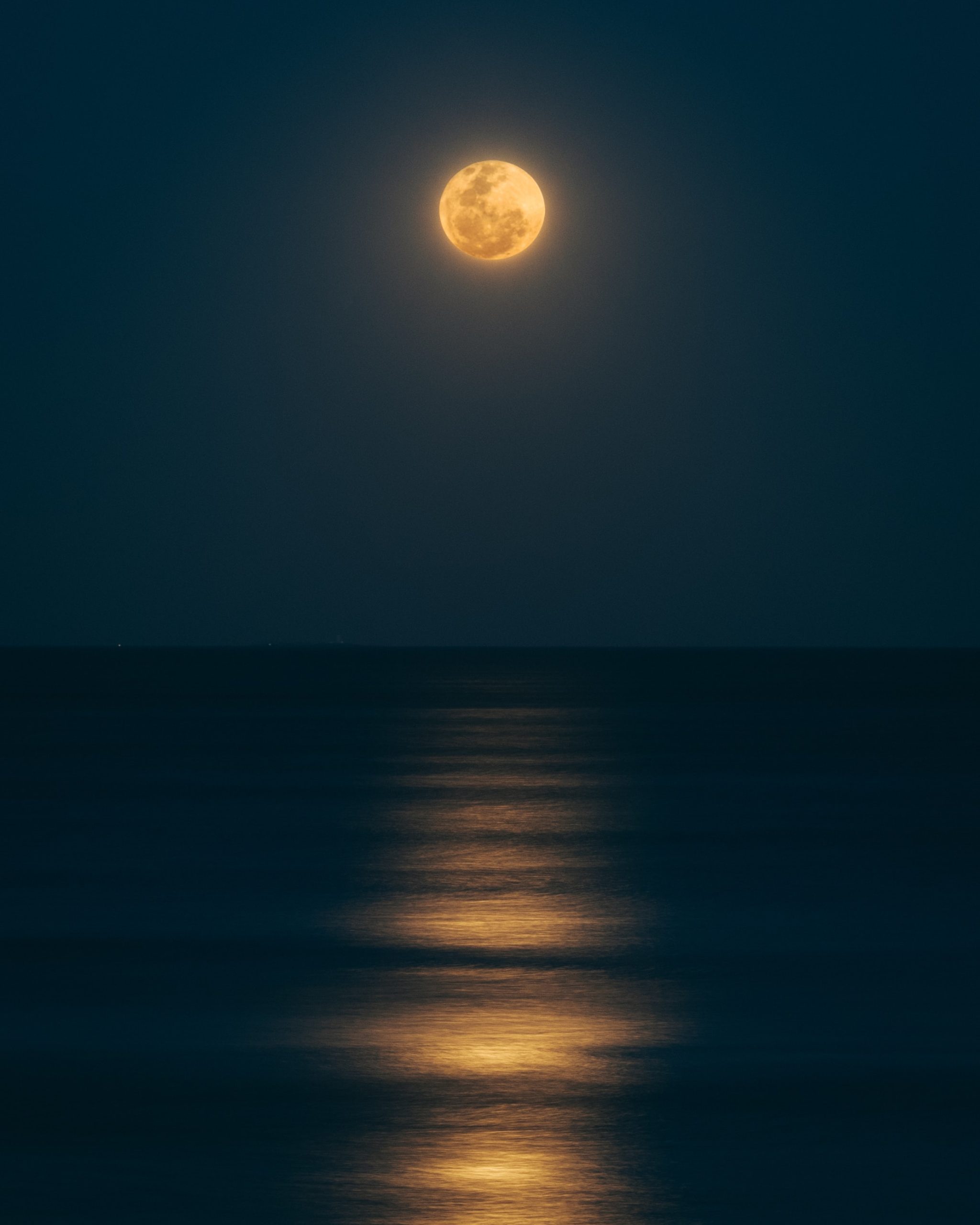
The moon, a celestial body that has held a place in human imagination and mythology for thousands of years, has been used as a symbol of the divine feminine in many traditions and cultures. The moon’s cyclical nature and its associations with the female body have made it a powerful symbol of the feminine divine, and its presence in mythology, literature, art, and rituals has cemented its role as an iconic representation of the divine feminine. In this article, we will explore the symbolism of the moon within different cultures and traditions, and examine its roles in mythology, literature, art, and rituals.
The Moon in Mythology
The moon has always had a prominent place in mythology, and many ancient cultures viewed it as a powerful representation of the feminine divine. In Greek mythology, Selene was the goddess of the moon and was associated with the female principle and with fertility. In Norse mythology, Mani was the god of the moon, but was also associated with female attributes such as nurturing and compassion. In many cultures, the moon was also associated with the cycles of life and death, as well as with fate and destiny.
In Hinduism and Buddhism, the moon is seen as a symbol of purity and enlightenment. In Hindu mythology, Chandra is the god of the moon and is often depicted as a benevolent figure who brings peace and serenity. In Buddhism, the moon is seen as a representation of enlightenment, transcending suffering and achieving inner peace.
The Moon in Literature
The moon has long been used as a literary device to evoke a sense of mystery, romance, and beauty. In literature, it is often used to represent longing and nostalgia, or to symbolize moments of transformation or enlightenment. The moon is often used to represent both light and dark forces in literature, as its brightness can sometimes be a source of comfort or hope, while its darkness can evoke feelings of fear or dread.
In Shakespeare’s works, for instance, the moon is often used as a symbol of love and longing. In Romeo and Juliet, the young lovers gaze up at the moon before their fateful first meeting, while in A Midsummer Night’s Dream, Puck conjures up an image of a “moonlight revel” to set the scene for the play’s magical events.
The Moon in Art
The moon has been an important source of inspiration for visual artists throughout history. The moon’s mysterious beauty has been a source of fascination for centuries, inspiring works of art that explore its dual nature as both a source of light and darkness. Many paintings feature the moon as a backdrop for romantic scenes or symbolic images that evoke feelings of hope or longing.
In the Renaissance period, artists such as Botticelli used the moon to symbolize female beauty. His painting “The Birth of Venus” features Venus emerging from the sea under the light of a full moon. Similarly, Rembrandt used the moon to create an atmosphere of mystery and romance in his painting “The Annunciation”.
The Moon in Rituals
The moon has also been an important part of many rituals throughout history. In some cultures, its cycles have been used to mark important events such as weddings or harvests. In other cultures, it has been used to worship deities associated with fertility or childbirth.
In Wicca and other Neopagan traditions, rituals are often performed during full moons or new moons. These rituals are often used to honor deities associated with femininity or fertility, such as Gaia or Demeter. Similarly, in many cultures around the world, women have used lunar cycles to mark important events or make decisions about their lives.
The Moon as a Symbol of the Divine Feminine in Different Cultures and Traditions
Throughout history, the moon has been revered and worshipped, particularly in cultures and mythologies where the divine feminine is emphasized. The moon has been associated with various goddesses, deities, and figures that represent the nurturing, mysterious, and transformative power of women. In this blog post, we’ll explore the most frequently asked questions about the moon as a symbol of the divine feminine in different cultures and traditions.
What is the divine feminine?
The divine feminine is a term used to describe the feminine aspects of the divine, particularly in contrast to the masculine aspects. It’s associated with the qualities such as intuition, nurturing, compassion, creativity, and connection with nature. The divine feminine represents the sacred feminine presence within all things, and it’s often associated with the moon.
What is the association of the moon with the divine feminine?
The moon has been associated with the divine feminine in many cultures and traditions. In ancient times, people noticed the connection between the moon’s phases and women’s menstrual cycles, which led to the moon’s association with women’s cycles, fertility, and birth. The moon’s cycles also reflect the cycles of life and death, and the idea of rebirth, which is often associated with the divine feminine.
What are some of the goddesses associated with the moon?
In different cultures and mythologies, many goddesses are associated with the moon. Here are some of the most prominent ones:
- Artemis: In Greek mythology, Artemis was the goddess of hunting, the wilderness, childbirth, and the moon. She was depicted as a young woman with a bow and arrows, and she was often associated with fertility and childbirth.
- Isis: In Egyptian mythology, Isis was the goddess of fertility, motherhood, and magic. She was also linked with the moon, and she was often depicted with a full moon on her head.
- Hecate: Hecate was a goddess in Greek mythology associated with magic, witchcraft, and the moon. She was often depicted as a three-headed goddess with one head of a dog, one of a serpent, and one of a horse.
- Kali: Kali is a goddess in Hindu mythology associated with death, destruction, and rebirth. She’s often depicted with a crescent moon on her forehead.
- Chang’e: Chang’e is a goddess in Chinese mythology associated with the moon. She’s often depicted holding a rabbit, which is said to be a symbol of fertility.
What are some other symbols associated with the moon and the divine feminine?
In addition to goddesses, many symbols are associated with the moon and the divine feminine. Some of the most common ones include:
- Crescent moon: The crescent moon is a symbol of new beginnings and the cycles of life and death.
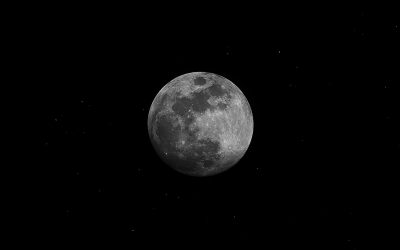
- Full moon: The full moon is a symbol of abundance, illumination, and completion.
- New moon: The new moon is a symbol of new beginnings, fresh starts, and setting intentions.
- Water: The moon’s gravitational pull affects the tides and water levels, making water a symbol of the moon’s power and influence.
- Lotus: The lotus flower, which grows in muddy water and emerges unblemished, is a symbol of the beauty and resilience of the divine feminine.
What can we learn from the moon as a symbol of the divine feminine?
The moon as a symbol of the divine feminine teaches us to honor the cycles of life, death, and rebirth. It reminds us of the nurturing, transformative, and creative power of women and the importance of self-care, compassion, and intuition. The moon also encourages us to connect with nature and the cycles of the earth, and to honor the abundance and beauty in all things.
In conclusion, the moon is a powerful and timeless symbol of the divine feminine in different cultures and traditions. Through the goddesses, symbols, and myths associated with the moon, we can learn valuable lessons about ourselves and our connection to the earth and the universe.
The Moon as a Symbol of the Divine Feminine in Different Cultures and Traditions
The moon has been an important symbol throughout history, with many cultures and traditions using it to represent the divine feminine. This symbol has been persistent across different cultures and is still used today. In this blog post, we will explore the significance of the moon as a symbol of the divine feminine in different cultures and traditions.
The Moon in Ancient Mythology
The moon has been worshipped as a deity since ancient times. In Greek mythology, the moon was personified as the goddess Selene, who was thought to be responsible for bringing the moon across the sky. The ancient Romans, on the other hand, worshipped the moon under the name Luna. Similarly, in Hinduism, Goddess Chandra is believed to represent the moon.
The Moon in Pagan Traditions
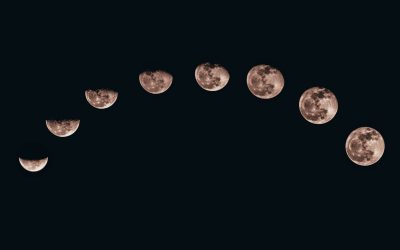
In pagan traditions, the moon is often associated with the goddess, who represents feminine power and intuition. In Wicca, for example, the moon is revered as the Triple Goddess, who embodies the Maiden, Mother, and Crone. Each phase of the moon is believed to represent one of these aspects of the goddess. The waxing phase represents the Maiden, the full moon represents the Mother, and the waning phase represents the Crone.
The Moon in Astrology
In astrology, the moon is believed to represent one’s emotional nature and intuition. It is also associated with the zodiac sign Cancer, which is known for its nurturing and protective qualities. The moon is said to govern our subconscious mind, reflecting our innermost desires and fears.
The Moon in Modern Pop Culture
The moon is still a prevalent symbol in modern pop culture, with many contemporary artists incorporating it into their work. For instance, singer Lana Del Rey often references the moon in her song lyrics, and her music videos often feature imagery of the moon. Similarly, Netflix’s popular series “Stranger Things” often showcases the moon as a symbol of mystery and the supernatural.
Conclusion
The moon as a symbol of the divine feminine has persisted over many centuries, across different cultures and traditions. It represents the power of femininity, intuition, and emotion. With the moon still being a prevalent symbol in modern pop culture, it is evident that this symbol will continue to be an influential part of our world for years to come.
In conclusion, the moon serves as a reminder of the divine feminine within all of us. As we look up at the night sky and see the glowing orb above us, we are reminded of the power and beauty that resides within us. May we continue to honor the moon and the divine feminine it represents.