The Moon and the Cycles of Nature: A Guide to Rituals and Ceremonies
The moon has been a source of fascination for as long as there have been human societies. From the earliest civilizations to the modern day, the moon has been used to mark events, celebrate life changes, and give thanks for good fortune. This guide will explore the importance of the moon and its cycles in nature, as well as provide an overview of some of the rituals and ceremonies associated with it.
The Moon’s Significance in Nature
The moon has a powerful influence on the rhythms of nature. It affects ocean tides, plant and animal reproductive cycles, and the behavior of many species. Its light illuminates the night sky, allowing nocturnal animals to find food and seek shelter.
On a larger scale, the moon’s phases are responsible for the cycles of the seasons. As the moon orbits the Earth, its position relative to the Sun determines the length of day and night. This, in turn, influences the timing of seasonal events and helps regulate temperatures around the world.
The Moon in Mythology and Religion
The significance of the moon has been recognized for centuries and appears in many myths, legends, and religious traditions. In Chinese mythology, for example, it is believed that the moon is inhabited by a rabbit who is constantly pounding on a mortar and pestle to make elixirs of immortality.
In other cultures, the moon is seen as a deity or powerful spirit that can grant wishes or bring good luck. In Hinduism, for instance, the moon is considered to be a manifestation of Lord Shiva and is believed to have a special connection with fertility and abundance. In Christianity, it is seen as a symbol of God’s power and grace.
Moon Rituals and Ceremonies
Throughout history, people have used rituals and ceremonies to honor the moon and connect with its power. These rituals range from simple meditations and prayers to elaborate feasts and festivals.
Full Moon Rituals
Full moon rituals are one of the most common ways to honor the lunar cycle. These ceremonies are often used to give thanks for achievements or ask for guidance in times of difficulty. They can also be used to celebrate special occasions like weddings or birthdays.
Common rituals include: lighting candles or incense, burning sage or herbs, offering food and drink to the moon spirit, meditating on lunar energy, and writing out wishes or intentions on paper.
New Moon Rituals
New moon rituals are used to connect with one’s inner self and set intentions for the coming month. Common activities include: reflecting on personal growth, writing down positive affirmations or goals, and making time for self-care activities like yoga or journaling.
Harvest Moon Rituals
Harvest moon rituals are typically held on or around the autumn equinox in order to give thanks for the abundance of the season. Common activities include: gathering with friends and family, decorating with harvest symbols like pumpkins and corn stalks, sharing a meal of seasonal foods, and giving thanks for all that we have.
Other Moon Rituals
In addition to these traditional ceremonies, people around the world have developed their own unique moon rituals to mark special occasions or express gratitude. Some examples include: planting a tree on a new moon to symbolize fresh beginnings, creating a dreamcatcher on a full moon to capture wishes and dreams, or gathering together at a special location to observe a lunar eclipse.
The Benefits of Participating in Moon Rituals
Participating in moon rituals can be a powerful way to connect with nature and find inner peace. Through these ceremonies, we can tap into our creative energy and manifest our desires through intention setting. We can also use them to foster gratitude and appreciation for all that we have in our lives.
Moon rituals can also help us stay mindful of our place in nature’s cycle. By honoring the moon’s phases, we can become more aware of how our actions affect the environment and work towards creating a more sustainable future.
The Moon and the Cycles of Nature: A Guide to Rituals and Ceremonies
The moon has been a significant part of human life since ancient times. Its impact on nature and human beings has been a subject of fascination throughout the ages. The cycles of the moon have significant effects on our bodies, emotions, and daily lives. The lunar cycles have an impact on the tides, animal behavior, plant growth, and human behavior.
In this guide, we will answer some of the most frequently asked questions about the moon and how we can use its cycles to perform rituals and ceremonies for better grounding, manifestation, and self-discovery.
What are the Phases of the Moon?
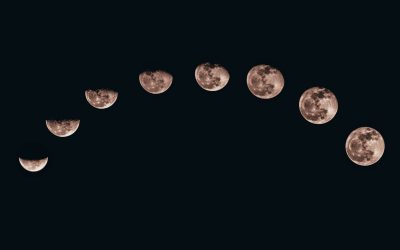
The moon goes through different phases every month, starting from the new moon to the full moon and back to the new moon again. These cycles were first discovered by ancient civilizations and have been studied and used for spiritual and religious practices ever since.
The phases of the moon are:
New Moon
The new moon marks the beginning of the lunar cycle. During the new moon, the moon is not visible in the night sky, and its energy is focused inward. This is the perfect time to set intentions and prepare for new beginnings.
Waxing Crescent
After the new moon, the moon begins to wax or grow in light. This is the time to take action and to focus your energy on your goals.
First Quarter
The first quarter occurs when the moon is 50% illuminated. This is the perfect time to take action, make decisions, and move forward.
Waxing Gibbous
The waxing gibbous phase occurs when the moon is almost full. This is the time to focus on refinement, clarity, and fine-tuning your goals.
Full Moon
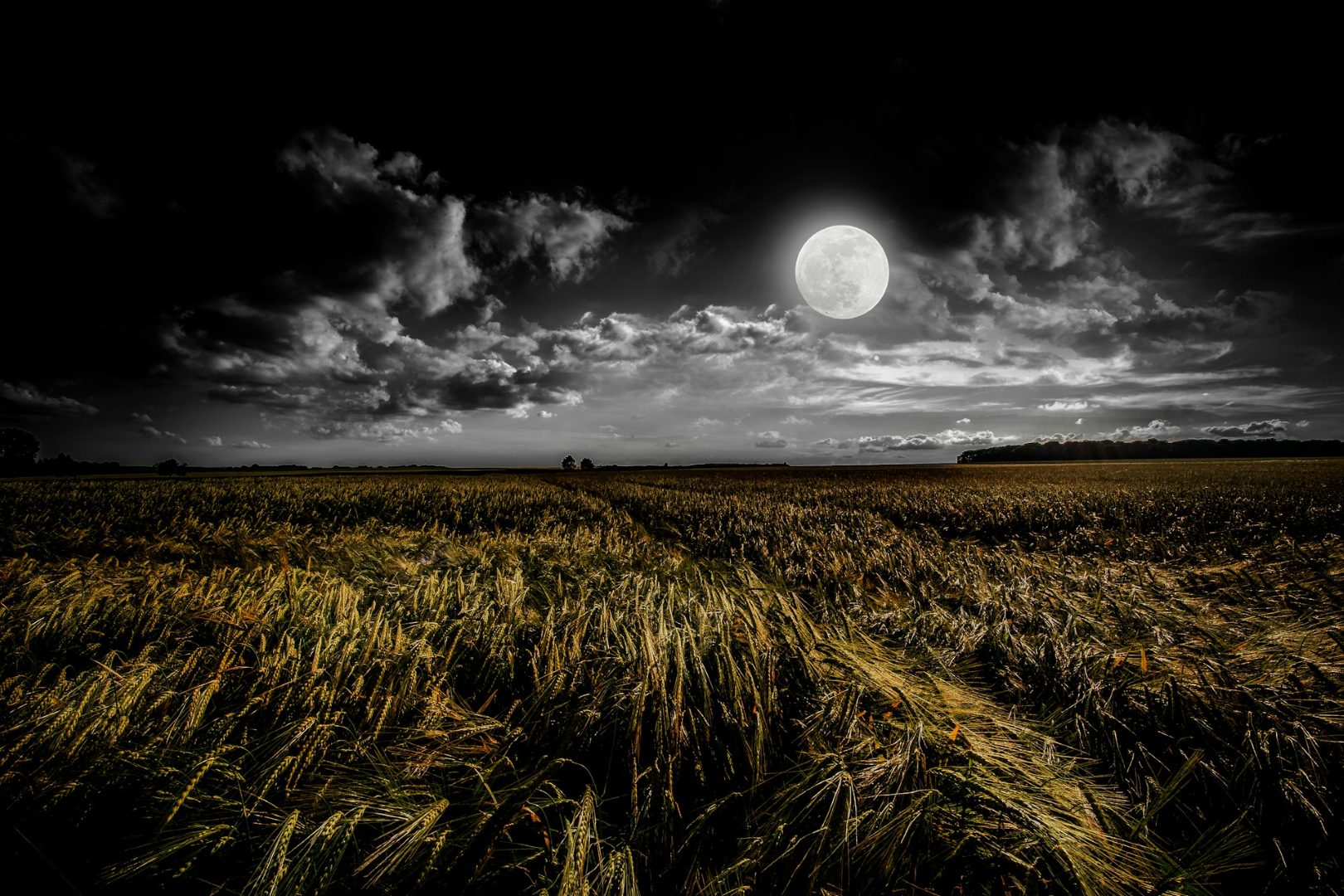
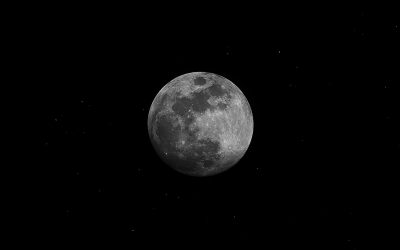
The full moon is when the moon is fully illuminated and visible in the night sky. This is the time to celebrate and honor your achievements, as well as release anything that no longer serves you.
Waning Gibbous
After the full moon, the moon begins to wane or decrease in light. This is the time to take stock, evaluate, and let go of anything that no longer aligns with your goals.
Last Quarter
The last quarter occurs when the moon is 50% illuminated again. This is the time to release anything that is holding you back and prepare for the next new moon.
Waning Crescent
The waning crescent phase is the final phase of the lunar cycle. During this time, the moon is barely visible in the sky, and its energy is turned inward. This is the perfect time for rest, reflection, and spiritual practice.
How can we use the Moon’s Phases for Rituals and Ceremonies?
The lunar cycles can be used for a wide range of rituals and ceremonies, depending on your personal beliefs, goals, and practices. Here are some examples:
New Moon Rituals
New moon rituals are perfect for setting intentions and planting seeds for new beginnings. This is a time to focus on what you want to manifest in your life and to visualize your goals.
Some new moon rituals include:
– Create a vision board with images of your goals and aspirations.
– Write down your intentions on a piece of paper and burn them to release them to the universe.
– Meditate and visualize your goals as if they have already come to fruition.
Full Moon Rituals
Full moon rituals are perfect for celebrating and honoring your achievements, as well as releasing anything that no longer serves you. This is a time to let go of the old and make space for the new.
Some full moon rituals include:
– Meditate and reflect on your achievements and successes since the last full moon.
– Write down anything you want to release or let go of on a piece of paper and burn it in a fire ceremony.
– Perform a cleansing ritual, such as a salt bath or smudging with sage, to clear negative energy from your body and space.
Waning Moon Rituals
Waning moon rituals are perfect for letting go of anything that no longer serves you and preparing for the next new moon. This is a time to release old habits, patterns, and beliefs.
Some waning moon rituals include:
– Write down anything you want to release or let go of on a piece of paper and bury it in the ground.
– Perform a decluttering ritual, such as cleaning out your closet or donating items to charity.
– Meditate and focus on letting go of any negative thoughts or beliefs that are holding you back.
What are some other ways to honor the Moon and its Cycles?
In addition to rituals and ceremonies, there are many other ways to honor the moon and its cycles in your daily life. Here are some examples:
– Make a moon water by placing a jar of water under the full moon overnight. This water can be used for cleansing, blessing, and charging objects with lunar energy.
– Practice moon gazing by spending time outdoors during the full moon and observing its beauty and energy.
– Use moon phases to plan and schedule important events or activities, such as starting a new project during the new moon or completing a project during the full moon.
– Use moonstone or other crystals associated with the moon for manifestation, intuition, and spiritual growth.
In conclusion, the moon and its cycles have been an integral part of human life for centuries. By harnessing the energy of the moon through rituals, ceremonies, and daily practices, we can tap into a powerful source of spiritual growth, self-discovery, and manifestation. By honoring the moon and its cycles, we can connect with nature, align with our goals, and live more mindful and intentional lives.