Are you eager to unlock even deeper insights into your destiny? Let the celestial power of the moon guide you on your journey of self-discovery. Click here to get your FREE personalized Moon Reading today and start illuminating your path towards a more meaningful and fulfilling life. Embrace the magic of the moonlight and let it reveal your deepest desires and true potential. Don’t wait any longer – your destiny awaits with this exclusive Moon Reading!
The Meaning of Gibbous Moon: A Detailed Explanation
The moon, our celestial neighbor, has captivated human beings for centuries. Its ever-changing shape and luminosity have fascinated astronomers, poets, and dreamers alike. One of the moon’s intriguing phases is the gibbous moon, which offers a unique spectacle in the night sky. In this article, we will explore the meaning of the gibbous moon, the science behind it, and its cultural significance.
What is a Gibbous Moon?
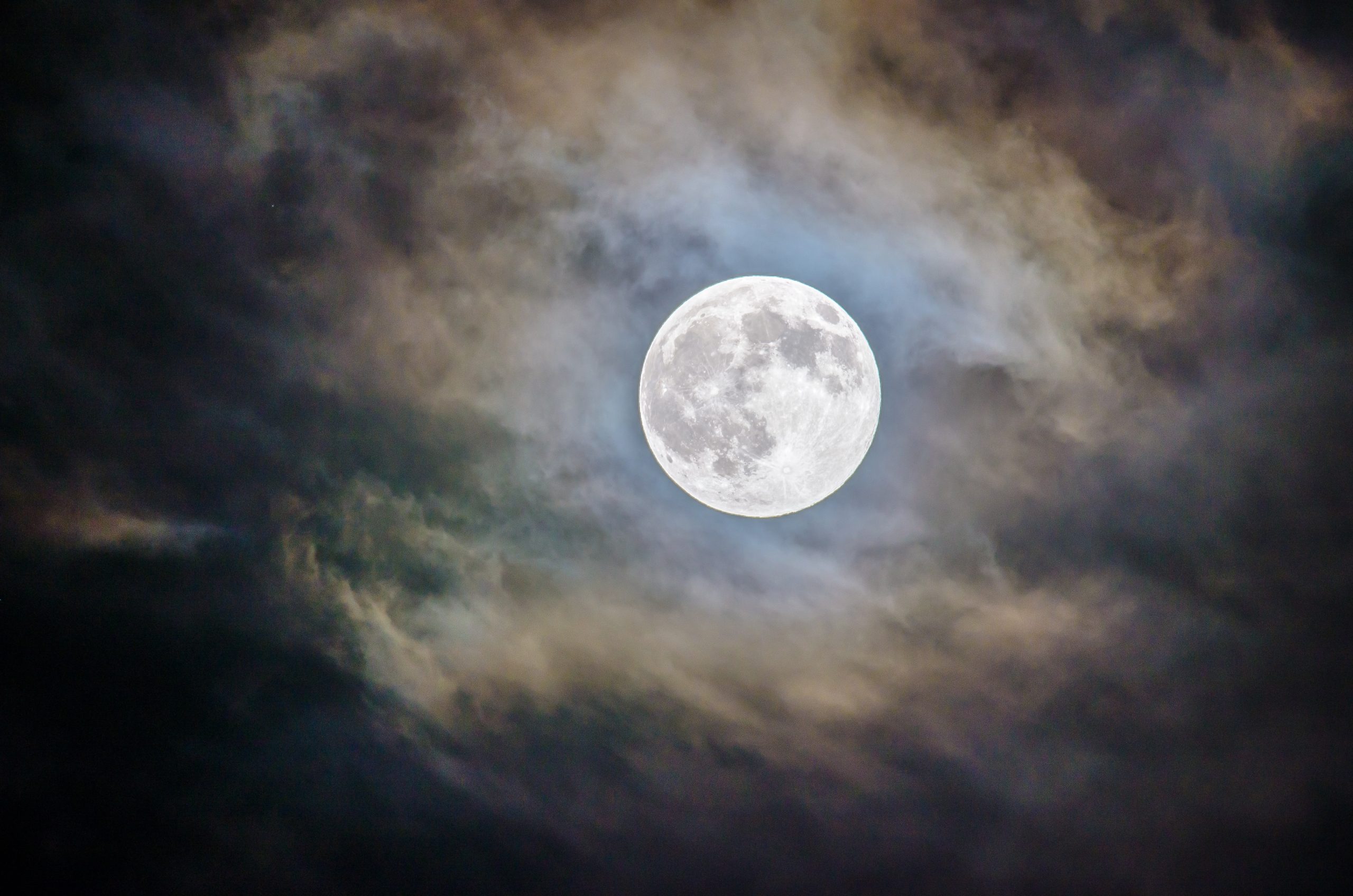
A gibbous moon refers to the moon phase where more than half of the lunar disk is illuminated, but it is not yet in its full moon stage. The term “gibbous” comes from the Latin word “gibbosus,” meaning humpbacked or hump-shaped. When the moon appears gibbous, it appears to be swollen and bulging, transitioning from the crescent phase towards a full moon.
The Waxing and Waning Gibbous Moon
The gibbous moon can be further classified into two phases: the waxing gibbous moon and the waning gibbous moon. The waxing gibbous moon occurs between the first quarter moon and the full moon. During this phase, the illuminated portion of the moon gradually increases, leading up to the full moon. On the other hand, the waning gibbous moon occurs between the full moon and the last quarter moon. In this phase, the illuminated portion starts to decrease until it reaches the last quarter moon.
The Science Behind the Gibbous Moon
The gibbous moon’s appearance is a result of the moon’s position relative to the sun and Earth. As the moon orbits around our planet, sunlight illuminates different parts of its surface, causing the moon to go through its various phases. When the moon is in the gibbous phase, it means that the angle between the sun, Earth, and moon is such that the sun’s rays are partially illuminating the side of the moon visible from Earth.
During both the waxing and waning gibbous phases, we can see a significant portion of the moon’s surface, though not yet the entire disk. The precise percentage of illumination can vary, but it is always more substantial than during the crescent phase.
Cultural Significance of the Gibbous Moon
The moon has played a vital role in countless cultures throughout history, often symbolizing fertility, rebirth, and the cyclic nature of life. Similarly, the gibbous moon carries its own significance in various cultural and religious contexts.
Astrology and the Gibbous Moon
In astrology, the gibbous moon is associated with growth, development, and refinement. It signifies a time of progress and preparation before the culmination of a project or goal. People born during the gibbous moon phase are believed to be hardworking, detail-oriented, and enthusiastic in their pursuit of success.
Mythology and Folklore
Mythology often embraces the moon as a celestial deity or a symbol of divine power. In many cultures, the gibbous moon’s shape has been associated with specific deities. For instance, in ancient Egypt, the goddess Isis was often represented with a headdress shaped like a crescent or gibbous moon.
Lunar Celebrations
The gibbous moon is sometimes linked to traditional lunar celebrations around the world. In Chinese culture, the Mid-Autumn Festival is a significant holiday that falls on the 15th day of the eighth lunar month, when the moon is considered to be at its fullest and roundest. During this festival, families gather to give thanks for the harvest and enjoy mooncakes while admiring the beautiful gibbous moon.
Conclusion
The gibbous moon, with its humpbacked shape and gentle radiance, holds a special place in human culture, imagination, and spirituality. Whether observed through the lens of science, astrology, or folklore, this moon phase has inspired wonder and creativity across civilizations. So, the next time you spot the gibbous moon gracing the night sky, take a moment to appreciate its mesmerizing glow and ponder the rich tapestry of meaning that unfolds within its illuminated phases.
Related posts:
What is the Difference between Waxing and Waning Gibbous? What is the Difference between Waxing and Waning Gibbous? Have you ever looked up at the night sky and noticed two different phases of the moon: waxing and waning gibbous? While they may appear similar at first glance, there are some key differences between the two. In this article, we’ll explore what these differences are, […]…
The Difference Between Waxing Gibbous Moon and Waning Gibbous Moon The Difference Between Waxing Gibbous Moon and Waning Gibbous Moon Have you ever looked up at the night sky and wondered about the various phases of the moon? One of the phases that often confuses people is the waxing gibbous moon and the waning gibbous moon. In this post, we will discuss the differences between […]…
Waxing Gibbous vs. Waning Gibbous: What’s the Difference? Waxing Gibbous vs. Waning Gibbous: What’s the Difference? Have you ever looked up at the moon and noticed that it appears to be getting bigger or smaller? If so, you may have been observing the waxing and waning phases of the moon. During these phases, the moon appears to change shape as it orbits around […]…
What’s the Difference Between Waxing Crescent and Waning Gibbous? What’s the Difference Between Waxing Crescent and Waning Gibbous? Have you ever looked up at the night sky and wondered about the different phases of the moon? The moon goes through a cycle of phases every month, starting with a new moon and ending with a full moon. But within that cycle, there are many […]…
Is the First Quarter Moon Waxing or Waning? Is the First Quarter Moon Waxing or Waning? As we observe the different phases of the moon, we may wonder whether the first quarter moon is waxing or waning. In this article, we’ll explore the definition of waxing and waning, and we’ll find out which phase the first quarter moon belongs to. What is Waxing? […]…
Moon Phases Names 2022 Moon Phases Names 2022 The moon has fascinated humans for centuries. Its luminous beauty and gravitational influence have inspired countless stories, myths, and legends. One of the most intriguing aspects of the moon is its phases. The moon goes through a predictable cycle of phases as it orbits the Earth, changing from a thin crescent […]…
Understanding the Waning Gibbous and Waxing Moon Phases Understanding the Waning Gibbous and Waxing Moon Phases The moon has been a source of enchantment for humans for thousands of years. From the earliest civilizations to modern-day society, we have been captivated by its beauty and mystery. One of the key aspects of the moon that fascinates us is its various phases. The moon […]…
What Does Waxing Gibbous Look Like? What Does Waxing Gibbous Look Like? Waxing gibbous is a phase of the moon that happens between the first quarter and full moon phases. It is during this phase that the moon appears to be growing in size, moving from a half-moon shape to one that is almost fully illuminated. The Appearance of Waxing Gibbous […]…
Are you eager to unlock even deeper insights into your destiny? Let the celestial power of the moon guide you on your journey of self-discovery. Click here to get your FREE personalized Moon Reading today and start illuminating your path towards a more meaningful and fulfilling life. Embrace the magic of the moonlight and let it reveal your deepest desires and true potential. Don’t wait any longer – your destiny awaits with this exclusive Moon Reading!
Have you found this article insightful? Chances are, there’s someone else in your circle who could benefit from this information too. Using the share buttons below, you can effortlessly spread the wisdom. Sharing is not just about spreading knowledge, it’s also about helping to make MeaningfulMoon.com a more valuable resource for everyone. Thank you for your support!