The Meaning and Symbolism of the Crescent Moon in Tamil Culture
The beautiful celestial phenomenon of the crescent moon has captured the imagination of mankind for centuries. In various cultures around the world, including Tamil culture, the crescent moon holds significant symbolism and meaning. In this blog post, we will explore the cultural and spiritual significance of the crescent moon in Tamil culture, uncovering its deep-rooted ties to mythology, astrology, and daily life practices.
Ancient Tamil Mythology and the Crescent Moon
Tamil mythology is rich with stories and legends that connect the crescent moon to various deities and legendary figures. One prominent mythological figure associated with the crescent moon is Lord Shiva, one of the most revered gods in the Tamil pantheon.
According to the legend, the crescent moon adorning Lord Shiva’s forehead represents the third eye, the eye of spiritual wisdom and insight. It is said that Lord Shiva, in his eternal meditative state, carries the crescent moon as a symbol of enlightenment and divine consciousness. The crescent moon’s presence atop Shiva’s head personifies ultimate knowledge and spiritual awakening.
Another Tamil mythological story that involves the crescent moon revolves around Lord Murugan, the embodiment of youth, beauty, and valor. Lord Murugan, also known as Kartikeya, is often depicted with the crescent moon on his forehead. It is believed that as a baby, Lord Murugan accidentally swallowed six stars, causing distress to the gods. In an attempt to calm him down, the crescent moon was placed on his forehead, bringing tranquility to him and the divine realms.
Astrological Significance of the Crescent Moon
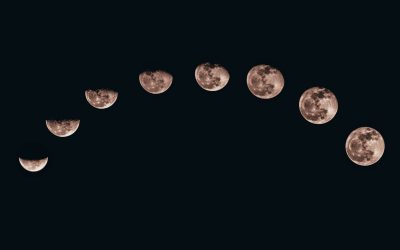
In Tamil astrology, the crescent moon holds a vital position. The movement and position of the moon in the sky are believed to influence human emotions, behavior, and destiny. The waxing and waning of the moon are often associated with cycles of growth, fulfillment, release, and renewal.
The crescent moon phase, known as the “Chandra Pongal” or “Pirai Thinningal” in Tamil, is considered auspicious and significant for commencing new ventures, performing rituals, and seeking blessings. It is believed that during this phase, positive energy and luck are abundant, making it an opportune time for new beginnings.
In Tamil astrology, each zodiac sign corresponds to a particular lunar date or “thithi.” The crescent moon’s position in a specific zodiac sign during a person’s birth is believed to influence their personality traits, strengths, weaknesses, and overall destiny. Many Tamil individuals consult astrologers to analyze their birth charts and understand the impact of the crescent moon on their lives.
Religious and Cultural Observances
The crescent moon holds religious and cultural significance in various observances within Tamil culture. One such observance is the celebration of the Tamil New Year or “Puthandu,” which falls in mid-April. During this festival, it is customary to prepare a special dish called “Mango Pachadi” that incorporates flavors representing all the tastes of life, including the tanginess of unripe mangoes symbolizing the crescent moon.
Additionally, during important religious festivals such as “Thai Pongal” and “Karva Chauth,” women in Tamil Nadu draw intricate kolams (auspicious designs) with a central motif of the crescent moon. These kolams not only add aesthetic beauty to homes but also serve as a way to invoke positive energies and blessings associated with the crescent moon symbolism.
Empowering Crescent Moon Symbols in Tamil Culture
The crescent moon symbolizes many empowering qualities and values in Tamil culture. It reflects the journey of life, with its waxing and waning representing various phases of growth, challenges, and renewal. It serves as a reminder of the cyclical nature of existence and the constant opportunity for personal growth and transformation.
The crescent moon is often associated with feminine energy and the divine feminine principle. In Tamil culture, it represents the goddess Parvati, consort of Lord Shiva. The crescent moon’s curves are resemblant of a woman’s gentle nature and resilience, making it a symbol of femininity, compassion, and nurturing qualities.
Additionally, the crescent moon is a symbol of hope, dreams, and wishes. It encourages individuals to hold onto their aspirations, believe in their potential, and strive towards achieving their goals. It embodies the idea that just as the moon beautifully emerges after every dark night, there is always light and hope after challenging times.
Conclusion
The crescent moon’s significance in Tamil culture extends beyond its natural beauty in the night sky. It holds a deep-rooted connection to mythology, astrology, and cultural practices. The crescent moon serves as a spiritual guide, symbolizing enlightenment, divine consciousness, and the cyclical nature of existence. Its imagery is intertwined with religious festivities, traditional rituals, and daily life practices.
Understanding the symbolism and meaning behind the crescent moon in Tamil culture enables us to appreciate and embrace its empowering qualities. It serves as a reminder of the importance of spiritual wisdom, personal growth, and the resilience of the human spirit. Next time you gaze upon the crescent moon, take a moment to reflect on its profound significance in Tamil culture and the timeless lessons it imparts.