Welcome to our beginner’s guide to the full worm moon, also known as the last full moon of winter. In this article, we will explore the meaning behind the full worm moon, its cultural significance, and its connection to nature. Whether you are a curious beginner or someone looking to deepen their knowledge about lunar events, this article provides the essential information you need.
What is the Full Worm Moon?
The full worm moon is a term used to describe the last full moon of winter, typically occurring in March. This particular moon is named after the earthworms that start to emerge from the thawing ground during this time of year. As the temperature rises and the ground softens, earthworms resurface, leading to an increase in bird activity as they feed on these worms.
The Cultural Significance of the Full Worm Moon
The full moon has captivated cultures worldwide for centuries, each attributing their own meanings and rituals to these celestial events. Here are a few examples of cultural significance associated with the full worm moon:
- Native American Culture: Many Native American tribes referred to the full moon in March as the “Full Worm Moon” because it marked the time when earthworms reappeared, signaling the arrival of spring and the perfect time for planting crops.
- Colonial American Tradition: In colonial America, settlers adapted Native American moon names and incorporated them into their own farming practices. They used the full worm moon as a sign to prepare the soil for planting and start crop rotations.
- Paschal Moon: In Christianity, the full moon that falls on or after the spring equinox is called the “Paschal Moon.” This moon determines the date of Easter, which is celebrated on the first Sunday following the Paschal Moon.
The Connection to Nature and Astronomy
The full worm moon, beyond its cultural significance, holds deep connections to nature and astronomy. Here are a few fascinating facts:
Moon Phases:
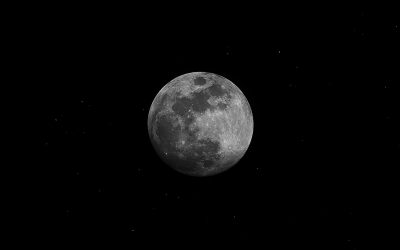
The full moon occurs when the moon is in opposition to the sun, with the Earth positioned between the two. Sunlight fully illuminates the side of the moon facing the Earth, creating a beautiful and bright lunar spectacle.
Lunar Cycles:
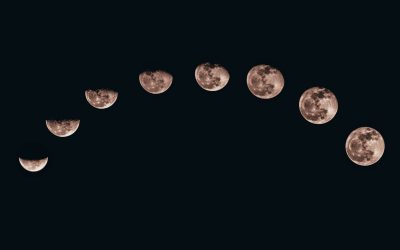
The full worm moon is a reminder of the moon’s continuous journey through its various phases. The moon goes through eight distinct phases, cycling from new moon to full moon and back again. Understanding these phases can deepen your appreciation for the full worm moon and other lunar events.
Moonlight and Wildlife Activity:
The full moon’s brightness influences various natural phenomena, including animal behavior and plant growth. Nocturnal animals often become more active during full moons, taking advantage of the extra light. Additionally, moonlight stimulates certain plants to bloom and release their fragrance during this time.
How to Observe the Full Worm Moon
Observing the full worm moon is a rewarding experience. Here are some tips to enhance your viewing:
- Check the Lunar Calendar: Stay informed about upcoming full moon dates to plan your observation in advance.
- Find an Ideal Location: Look for a spot with minimal light pollution, like a rural area or a park away from city lights, to achieve the best visibility.
- Be Patient: The moon rises in the east and becomes more visible as the night progresses. Find the optimal time for moonrise in your area and be patient during the wait.
- Use Binoculars or a Telescope: To examine the moon’s surface in more detail, consider using binoculars or a telescope.
Conclusion
The full worm moon holds both cultural and scientific significance, signaling the arrival of spring and offering a remarkable opportunity to observe and appreciate the beauty of the moon. Whether you are a budding astronomer or simply someone intrigued by the wonders of the natural world, taking the time to observe the full worm moon can be a truly enriching experience.