The Fascinating History of the Strawberry Moon
- Introduction
- What is the Strawberry Moon?
- Origins of the Name
- Cultural Significance
- Astronomical Facts
- Strawberry Moon Calendar
- Conclusion
As the moon graces our night skies with its celestial beauty, it often captivates us with its many names and unique characteristics. One such name, the Strawberry Moon, holds a special place among lunar enthusiasts and nature lovers. In this blog post, we will delve into the history of the Strawberry Moon, exploring its origins, cultural significance, and fascinating astronomical facts.
What is the Strawberry Moon?
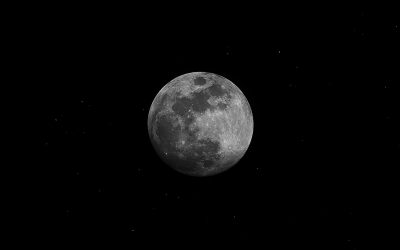
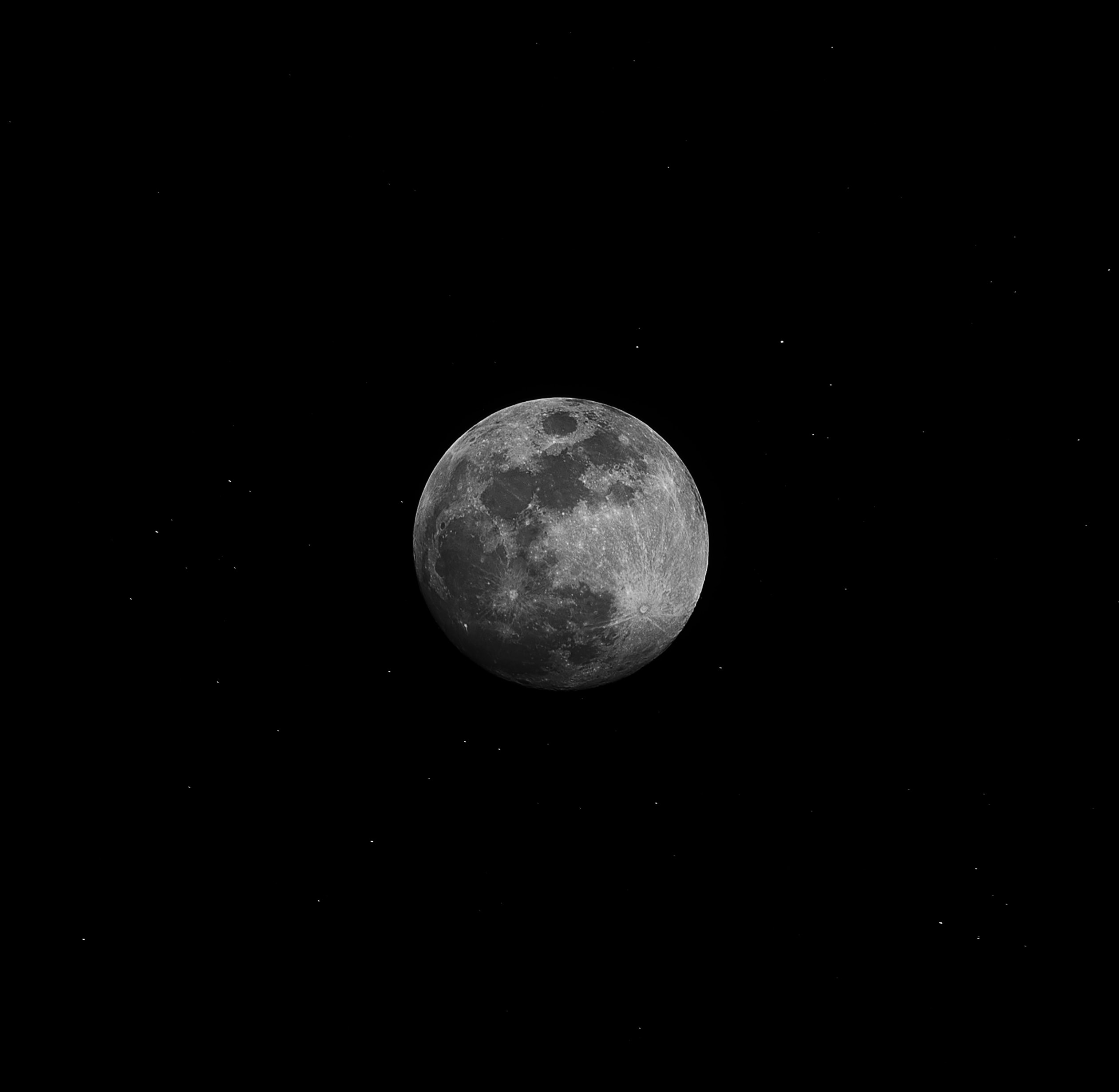
The Strawberry Moon refers to the full moon that occurs in June each year. This full moon is known by various names across different cultures, such as the Rose Moon, Mead Moon, or Honey Moon. However, it is the name “Strawberry Moon” that has gained widespread popularity, particularly in North America.
Origins of the Name
The name “Strawberry Moon” can be traced back to Native American tribes, who gave names to full moons based on the seasonal changes and natural events occurring at the time. For the Algonquin tribes of northeastern North America, the June full moon coincided with the ripening of wild strawberries, hence the name “Strawberry Moon.”
| Native American Tribe | Alternative Name |
|---|---|
| Cherokee | Green Corn Moon |
| Hopi | Planting Moon |
| Choctaw | Windy Moon |
Cultural Significance
The Strawberry Moon holds immense cultural significance for various indigenous communities. For the Algonquins, it marked the perfect time for gathering ripe strawberries, which played a vital role in their diet. The Cherokee people associated it with the time to feast upon green corn, while the Hopi tribe regarded it as an auspicious period for planting crops.
Throughout history, full moons have been closely linked to the cycles of nature and agriculture. Many cultures considered them opportune moments for sowing seeds, harvesting crops, and conducting rituals. The Strawberry Moon’s arrival in June, a time of abundance and growth, symbolizes fertility, prosperity, and the joys of summer.
Astronomical Facts
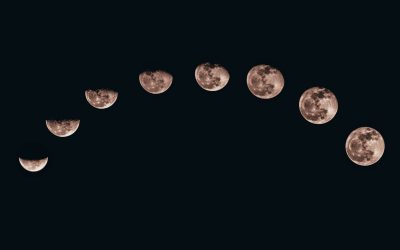
From an astronomical perspective, the Strawberry Moon holds no intrinsic physical differences compared to other full moons. Its name primarily reflects its occurrence in June rather than any observable characteristics.
The moon’s elliptical orbit around the Earth propels it to different distances, resulting in variations in size and brightness. However, these differences are generally imperceptible to the naked eye. Thus, the only significant distinction between a Strawberry Moon and any other full moon lies in its cultural and historical significance.
Strawberry Moon Calendar
While the Strawberry Moon always falls in June, its exact date varies from year to year. To assist lunar enthusiasts in planning their observations, here is a calendar detailing the upcoming Strawberry Moons for the next few years:
| Year | Date |
|---|---|
| 2021 | June 24 |
| 2022 | June 13 |
| 2023 | June 3 |
Conclusion
The Strawberry Moon, with its rich history and cultural significance, reminds us of the profound connection between nature and human activity. As we witness this celestial wonder, we are invited to reflect on the cycles of life, the bounty of nature, and the wisdom found in indigenous traditions.
So, the next time you gaze up at the June night sky and encounter the dazzling spectacle of the Strawberry Moon, take a moment to appreciate the centuries of meaning embedded within its name and the natural rhythms it represents.
For more information on the various names given to full moons around the world, check out this comprehensive guide.