The Fascinating Connection: How Moon Phases Today Impact Humans
Have you ever looked up at the night sky and admired the beauty of the moon? Its mysterious and enchanting presence has captured the attention of humans for centuries. But did you know that the moon’s phases today can have a profound impact on our emotions, behavior, and even our physical well-being? In this blog post, we will delve into the fascinating connection between moon phases and how they affect us.
Understanding Moon Phases
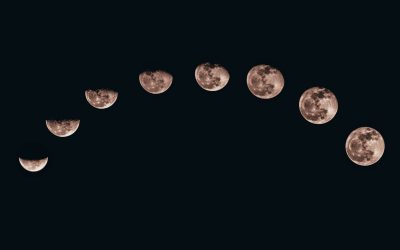
Before we explore the effects of moon phases on humans, let’s first understand the different phases of the moon. The lunar cycle consists of eight distinct phases, each lasting approximately 3.5 days:
| Phase | Description |
|---|---|
| New Moon | The moon is not visible from Earth. |
| Waxing Crescent | A small sliver of the moon is visible. |
| First Quarter | Half of the moon is visible. |
| Waxing Gibbous | Most of the moon is visible, but not fully illuminated. |
| Full Moon | The entire moon is visible and fully illuminated. |
| Waning Gibbous | Most of the moon is visible, but not fully illuminated. |
| Last Quarter | Half of the moon is visible. |
| Waning Crescent | A small sliver of the moon is visible. |
These phases occur as a result of the moon’s position relative to the Earth and the Sun. The amount of sunlight reflected by the moon determines its phase, and each phase holds its own significance in terms of its impact on humans.
The Moon’s Influence on Human Emotions
Many people believe that moon phases today influence human emotions. While scientific research on this topic is limited, anecdotal evidence and historical folklore suggest there may be a connection.
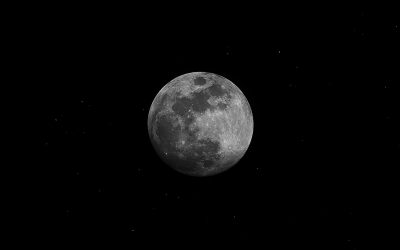
During the full moon phase, for instance, some individuals report feeling more energetic, restless, or even prone to insomnia. It is a time when emotions can run high, and some individuals may experience sensitivity or mood swings. While it’s important to note that not everyone is affected in the same way, several studies have found a correlation between increased psychiatric hospital admissions and the full moon phases. (source)
On the contrary, the new moon phase is often associated with a sense of calmness and introspection. It is a time when individuals may feel more inclined to reflect, set intentions, and engage in self-care activities. This phase can be conducive to introspection, allowing us to dive deep into our emotions and thoughts.
The Impact on Sleep Patterns
One aspect of our lives that can be influenced by moon phases is our sleep patterns. Have you ever noticed that you have trouble falling asleep during certain moon phases? You’re not alone.
A study published in the journal Current Biology found that participants experienced a decrease in sleep duration and quality during the full moon phase. It took them longer to fall asleep and their overall sleep duration was reduced by an average of 20 minutes compared to other moon phases. The study also revealed increased levels of melatonin, a hormone that regulates sleep, during the full moon phase. (source)
Interestingly, some researchers theorize that this phenomenon may be a remnant of our ancient ancestors who relied on the moonlight for nocturnal activities such as hunting and gathering. The brightness of the full moon could have disrupted our sleep patterns and made it more challenging to obtain a restful night’s sleep.
Moon Phases and Human Behavior
Not only do moon phases today affect our emotions and sleep patterns, but they may also influence our behavior. Several studies have explored the relationship between moon phases and certain human activities.
One study conducted in Switzerland analyzed data from over 4,500 individuals and found a slight increase in aggressive behavior during the full moon phase. However, the effect was considered small and not significant enough to draw definitive conclusions. (source)
Furthermore, some researchers have investigated the connection between moon phases and childbirth. While evidence is conflicting, a study published in the American Journal of Obstetrics & Gynecology suggested a slight increase in spontaneous deliveries during the full moon phase. However, more research is necessary to fully understand the extent of this correlation. (source)
Cultivating Awareness and Personal Experiences
While science continues to unravel the mysteries surrounding moon phases and their impact on humans, it is essential to approach this topic with open-mindedness and personal observation. Not everyone may notice a significant difference in their emotions, behavior, or sleep patterns during various moon phases. However, by cultivating awareness and paying attention to our own experiences, we can deepen our understanding of this fascinating connection.
Next time you step outside on a clear night and gaze up at the moon, take a moment to contemplate how it may be influencing you. Whether it’s through its mysterious allure, the emotions it evokes, or the subtle shifts in our behavior, the moon’s phases today have an undeniable connection with us as human beings.
So, the next time you find yourself feeling particularly restless during a full moon or experiencing a surge of creativity during a new moon, remember that you are part of a vast cosmic dance, intricately intertwined with the celestial bodies above.