The Effects of Waning Gibbous Moon on Humans
The moon is a celestial body that has intrigued people for centuries. Its gravitational pull affects the tides, and many believe it also influences human emotions and behavior. One of the phases of the moon that has the potential to impact people is the waning gibbous moon. In this post, we explore the effects of the waning gibbous moon on humans.
What is a waning gibbous moon?
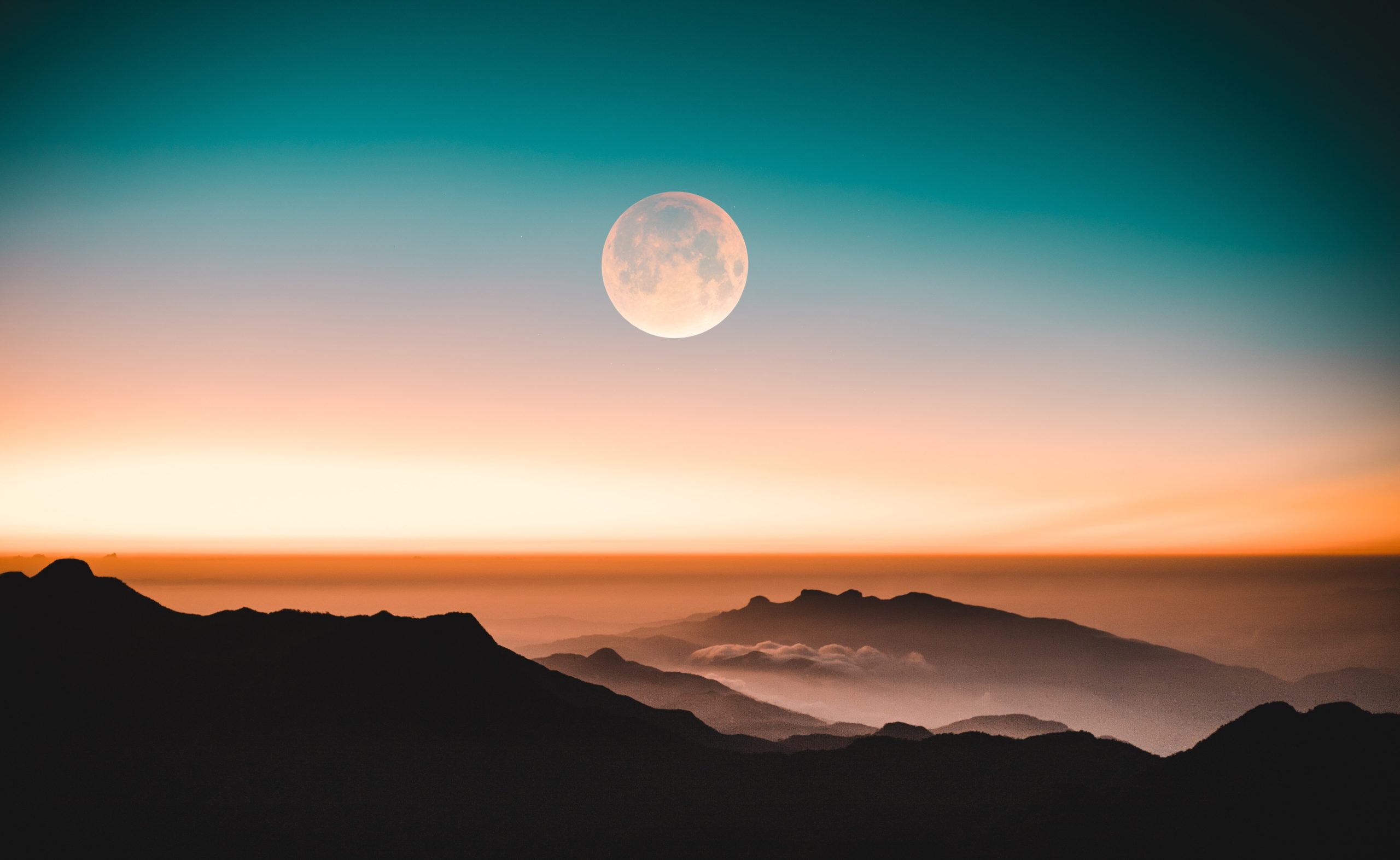
A waning gibbous moon is a phase that occurs in the lunar cycle. It typically happens after the full moon phase and before the third quarter. During this phase, the moon appears as a slightly illuminated circle, with around 75% of its surface visible.
The effects on human emotions
Many people believe that the waning gibbous moon can have an impact on human emotions. Some individuals may feel a sense of melancholy, sadness, or anxiety during this phase. This could be due to the decreasing brightness of the moon, which can stimulate feelings of hopelessness or negativity. Additionally, the decrease in the brightness of the moon can also lead to disrupted sleep patterns, further exacerbating feelings of stress and anxiety.
The impact on physical health
The gravitational pull of the moon is known to affect the tides, and it can also affect people’s physical health. During the waning gibbous moon phase, many people may experience a decrease in energy levels, which can lead to fatigue and feelings of exhaustion. Furthermore, this phase can also make people more prone to injuries, as the gravitational pull of the moon can interfere with physical balance.
The impact on productivity
The waning gibbous moon phase is often associated with a decrease in productivity levels. During this time, people may feel unmotivated or distracted, which can make it difficult to complete tasks efficiently. Additionally, the potential decrease in energy levels can also make simple tasks seem more challenging than usual.
In conclusion
While the effects of the waning gibbous moon on humans are still a topic of debate, many people believe that this phase of the lunar cycle can have a significant impact on emotions, physical health, and productivity levels. Whether it’s through disrupted sleep patterns, feelings of melancholy, or decreased energy levels, it’s essential to be aware of these potential effects and take steps to minimize any negative impacts. As always, it’s crucial to listen to your body and prioritize self-care during this time.
The Effects of Waning Gibbous Moon on Humans – Frequently Asked Questions
The moon is a celestial object that has fascinated humans for centuries. People have always been interested in the moon’s phases and how they affect us. One of the moon phases that have been the subject of many discussions is the waning gibbous moon.
The waning gibbous moon is the moon phase that comes after the full moon. This phase occurs when the moon is more than 50% illuminated but less than 100% illuminated. In this blog post, we will discuss some of the most frequently asked questions about the effects of the waning gibbous moon on humans.
1. Does the waning gibbous moon affect our sleep?
There is some evidence to suggest that the waning gibbous moon can affect our sleep. A study conducted by researchers at the University of Basel in Switzerland showed that people took longer to fall asleep during the waning gibbous moon phase than during the new moon phase. The researchers believe that this could be due to the moon’s effect on our internal circadian rhythms.
2. Can the waning gibbous moon affect our mood?
There is some anecdotal evidence to suggest that the waning gibbous moon can affect our mood. Many people report feeling more irritable, anxious, or moody during this phase. However, there is no scientific evidence to support this claim.
3. Does the waning gibbous moon affect our physical health?
There is no evidence to suggest that the waning gibbous moon directly affects our physical health. However, some people believe that this phase can affect our immune system, making us more susceptible to illness. Again, there is no scientific evidence to support this claim.
4. Can the waning gibbous moon affect our behavior?
There is some evidence to suggest that the waning gibbous moon can affect our behavior. A study conducted by researchers at the University of Sydney in Australia showed that people were more likely to engage in risky behavior during the waning gibbous moon phase. The researchers believe that this could be due to the moon’s effect on our brain chemistry.
5. Does the waning gibbous moon affect our mental health?
There is no scientific evidence to suggest that the waning gibbous moon directly affects our mental health. However, some people believe that this phase can exacerbate symptoms of mental health conditions such as anxiety and depression.
6. Can the waning gibbous moon affect our productivity?
There is no scientific evidence to suggest that the waning gibbous moon directly affects our productivity. However, some people believe that this phase can make us feel more exhausted, which could result in decreased productivity.
7. How can we protect ourselves from the effects of the waning gibbous moon?
There is no need to protect ourselves from the effects of the waning gibbous moon. While this phase may have some effects on our sleep, behavior, and mood, these effects are generally mild and short-lived. It is important to remember that the moon’s phases have been a part of human life for centuries, and we have adapted to their effects.
In conclusion, the waning gibbous moon is a fascinating phenomenon that has captured the attention of humans for centuries. While there is some evidence to suggest that it can affect our sleep, behavior, and mood, these effects are generally mild and short-lived. As with any aspect of life, it is important to approach the waning gibbous moon with an open mind and an appreciation for its beauty and mystery.
The Effects of Waning Gibbous Moon on Humans
The moon is one of the most fascinating celestial bodies that humans have studied since time immemorial. It has a profound influence on the earth and its inhabitants. The lunar cycle, which lasts for about 29.5 days, has various phases including the waning gibbous. The waning gibbous moon appears after the full moon and before the last quarter. In this blog post, we will discuss the effects of waning gibbous moon on humans.
What is a waning gibbous moon?
Before we delve into the effects of waning gibbous moon on humans, it is essential to understand what it is. A waning gibbous moon appears after the full moon when the illuminated part of the moon visible from earth starts to decrease until it reaches the last quarter. During this phase, the moon appears to decrease in size each night.
The effects of waning gibbous moon on human emotions
The moon has a significant impact on the human psyche, and its phases have been linked to various emotional and behavioral changes. The waning gibbous moon is no exception, and it has been associated with the following emotional changes:
Increased anxiety and stress
Studies have shown that people tend to experience higher levels of anxiety and stress during the waning gibbous moon phase. This could be attributed to the decreasing light of the moon, which may trigger a sense of unease and vulnerability.
Emotional turbulence
The waning gibbous moon has also been linked with emotional turbulence, which includes mood swings and irritability. The decrease in the brightness of the moon is said to affect the human circadian rhythm, which leads to increased emotional reactivity.
Reduced creativity
The waning gibbous moon phase has also been associated with a decreased ability to think creatively. People tend to find it more challenging to come up with new ideas and concepts during this phase.
The effects of waning gibbous moon on human sleep patterns
The lunar cycle has been linked with human sleep patterns, and it is said to affect the quality and quantity of sleep. The waning gibbous moon phase has been linked with the following changes to sleep patterns:
Insomnia
The waning gibbous moon phase is often associated with insomnia, which includes difficulty falling or staying asleep. This could be because the decrease in the brightness of the moon leads to increased alertness and wakefulness.
Restlessness
The waning gibbous moon phase has also been linked with restlessness during sleep. People tend to toss and turn more during this phase, which affects the quality of sleep and leaves them feeling tired and irritable in the morning.
Increased dreaming
The waning gibbous moon phase has a profound impact on the number and intensity of dreams experienced by humans. People tend to have more vivid and intense dreams during this phase, which could be attributed to the decreased light of the moon.
The effects of waning gibbous moon on human health
The waning gibbous moon phase has also been linked with various health changes in humans, including:
Increased susceptibility to illness
Studies have shown that people tend to be more susceptible to illnesses during the waning gibbous moon phase. This could be attributed to the decrease in the brightness of the moon, which affects the human immune system.
Changes in menstrual cycles
The lunar cycle has long been linked to female reproductive health, and it is said to affect menstrual cycles. The waning gibbous moon phase has been associated with changes in menstrual cycles, including increased cramps and heavy bleeding.
Exacerbation of chronic illnesses
People with chronic illnesses tend to experience more severe symptoms during the waning gibbous moon phase. This could be attributed to the decreased light of the moon, which affects the human circadian rhythm and disrupts the body’s normal functioning.
How to mitigate the effects of waning gibbous moon
If you are experiencing the effects of the waning gibbous moon and would like to mitigate its impact, here are a few tips:
Maintain a regular sleep routine
To combat insomnia and restlessness during sleep, it is essential to maintain a regular sleep routine. Go to bed and wake up at the same time every day to regulate your circadian rhythm.
Get enough sleep
Ensure that you are getting enough sleep each night. The recommended duration of sleep for adults is between seven and nine hours each night.
Practice stress management techniques
To combat anxiety and stress during the waning gibbous moon phase, practice stress management techniques such as meditation, deep breathing exercises, and yoga.
Eat a healthy diet
Maintaining a healthy diet rich in nutritious foods such as fruits, vegetables, and whole grains can help strengthen your immune system and reduce your susceptibility to illnesses.
Conclusion
In conclusion, the waning gibbous moon phase has various effects on human emotions, sleep patterns, and health. By understanding these effects, it is possible to develop strategies to mitigate their impact and maintain your overall health and well-being. Remember, the lunar cycle is a natural phenomenon, and it is essential to respect its power and adapt accordingly.
Table of Contents