The Art of Tarot Reading: Understanding Upside-Down Cards
The mystical practice of tarot reading has captivated individuals for centuries, offering insights and guidance into various aspects of life. Each tarot card carries its own unique meaning and symbolism, but what happens when a card appears upside down in a reading? In this comprehensive guide, we will explore the phenomenon of upside-down tarot cards and how they can enhance the depth and complexity of a reading.
Understanding the Tarot Deck
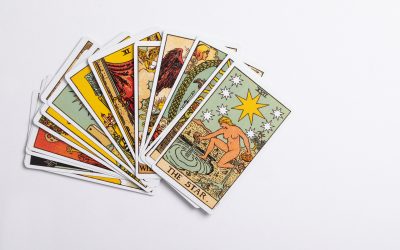
The tarot deck typically consists of 78 cards, divided into the Major Arcana and the Minor Arcana. The Major Arcana consists of 22 cards, representing significant life lessons and archetypal energies. The Minor Arcana is further divided into four suits – Cups, Pentacles, Swords, and Wands – each containing 14 cards.
Traditionally, when a tarot card appears in an upright position during a reading, it represents its regular meaning. However, when a card appears upside down, it is known as a reversed card or a card in a “reversed position.” This reversal alters the interpretation of the card, adding depth and nuance to the reading.
Interpreting Upside-Down Cards
When interpreting upside-down tarot cards, it is important to consider a variety of factors, such as the specific card, the surrounding cards, and the overall energy of the reading. While certain cards may have general reversed meanings, the interpretation remains subjective, as each reader brings their unique perspective to the table.
The following guidelines can serve as a starting point in understanding upside-down cards:
1. Blocked or Delayed Energy
Upside-down cards often indicate blocked or delayed energy related to the card’s meaning. For example, an upside-down Ace of Cups could symbolize emotional blockages or difficulties in forming deep connections with others. Similarly, a reversed Three of Pentacles may suggest setbacks in career or creative endeavors due to a lack of collaboration and teamwork.
2. Internal Reflection and Reassessment
Reversed cards can also prompt individuals to engage in introspection and self-reflection. They signify an inner turmoil or conflict that requires attention. When a card appears upside down, it encourages the querent to explore their inner landscape and confront any unresolved emotions or limiting beliefs associated with the card.
3. Shadow Aspect and Hidden Influences
Upside-down cards may bring attention to the shadow aspect – the darker, less conscious side – of the card’s meaning. They reveal hidden influences, subconscious desires, or fears that impact the querent’s current circumstances. For instance, a reversed Moon card may indicate repressed emotions or unacknowledged fears that need to be addressed.
4. Diminished or Excessive Energy
Reversed cards can also suggest an imbalance or distortion of energy related to the card’s symbolism. For instance, an upside-down King of Swords may indicate excessive or unbridled intellectual energy, leading to authoritarian tendencies or a lack of empathy. On the other hand, a reversed Knight of Cups might suggest a waning or inhibited expression of emotions.
The Benefits of Upside-Down Cards
While upside-down cards may initially seem challenging or negative, they bring valuable insights and opportunities for growth. The inclusion of reversed cards in a reading can provide a more nuanced and holistic understanding of the client’s situation. Some benefits of working with upside-down cards include:
1. Deepened Insight and Awareness
Reversed cards offer a more comprehensive view of the situation at hand. By delving into the shadow aspects and hidden influences represented by upside-down cards, the reader and the querent gain greater insight and awareness. This enhanced understanding can help uncover underlying issues and develop more effective strategies for growth and transformation.
2. Highlighting Potential Obstacles
Upside-down cards can act as signposts, alerting the querent to potential obstacles or challenges on their path. By acknowledging and addressing these obstacles, the querent is better equipped to navigate their journey with awareness and resilience. Reversed cards serve as valuable cautionary reminders, prompting the querent to approach situations with caution and adaptability.
3. Igniting Intuition and Creativity
Working with upside-down cards encourages tarot readers to tap into their intuition and trust their interpretations. It sparks creativity and requires the reader to think outside the box, considering alternative meanings and possibilities. By exploring the nuances of reversed cards, readers and querents alike may discover fresh perspectives and innovative solutions to their queries.
Conclusion
The presence of upside-down tarot cards in a reading offers a rich tapestry of insights and depths, encompassing a range of emotions, beliefs, and energies. While they may initially appear as challenges or warnings, reversed cards hold immense value in expanding one’s understanding and navigating life’s complexities. Embracing the potential of upside-down cards allows for a more dynamic and comprehensive interpretation in the art of tarot reading.
Remember, the interpretation of upside-down cards should remain flexible and open to individual intuition and context. Their meaning is not fixed but rather evolves through a deep understanding of the cards, their energy, and the unique needs of each querent.
So, the next time you encounter an upside-down tarot card during a reading, don’t be disheartened. Embrace the opportunity for growth, introspection, and heightened awareness that these cards bring.
✨ Happy tarot reading! ✨