Moon Worship History: From Ancient Tribes to Modern Culture
Throughout human history, the moon has captivated our imagination and played a significant role in various cultures and religions worldwide. Its celestial beauty, enigmatic phases, and ethereal glow have spurred myths, rituals, and even deities dedicated to its worship. This article unravels the fascinating history of moon worship, tracing its origins from the ancient tribes to the modern-day fascination.
Ancient Moon Worship
The reverence for the moon dates back thousands of years, with evidence found in ancient civilizations across the globe. Let’s delve into the practices and beliefs of some of these early cultures:
1. Mesopotamia
In ancient Mesopotamia, the moon held a prominent place in religious and celestial observations. The Sumerians, Babylonians, and Assyrians all worshipped lunar deities. Nanna, the Sumerian moon god, was considered a nurturing figure that imparted wisdom and protected crops. Babylonians further developed the lunar calendar, assigning various gods to different phases of the moon.
2. Ancient Egypt
The ancient Egyptians revered the moon as one of their most significant gods. Known as Thoth, the moon deity represented wisdom, writing, and magic. The Egyptians also associated the moon with fertility and rejuvenation, often intertwining its worship with that of their other major deities.
3. Greek and Roman Mythology
The ancient Greeks and Romans worshipped the moon as well. In Greek mythology, Selene was the goddess of the moon, believed to bring the moon’s light and carry it across the sky in her chariot. Roman mythology adopted a similar deity known as Luna, emphasizing the moon’s association with femininity and fertility.
These examples barely scratch the surface of the rich history of moon worship found in ancient civilizations. From the Celts to the Mayans, many cultures had their own unique interpretations and customs surrounding the moon gods and goddesses.
Moon Worship Rituals and Festivals
As moon worship evolved, so did the rituals and festivals associated with it. Here are a few notable examples:
1. Moon Festivals in China
China has a long-standing tradition of celebrating the moon. The Mid-Autumn Festival, also known as the Moon Festival, is one of the most important annual events. Families gather to admire the moon, eat mooncakes, and light lanterns, symbolizing unity and family reunion.
2. Moon Temples in India
In India, the worship of celestial bodies, including the moon, has deep roots. Konark Sun Temple, a UNESCO World Heritage Site, exhibits the architectural prowess of the ancient Indians. The temple design, dedicated to the sun god, is said to align with the position of the rising sun during specific equinoxes and solstices, honoring the sun’s cosmic importance.
3. Moon Worship in Native American Cultures
Various Native American tribes held moon ceremonies, considering the moon a source of spiritual energy. The Lakota tribe, for instance, performed the “Sun Dance,” combining reverence for both the sun and moon. These rituals were often tied to agricultural seasons and marked important celestial events.
The Influence of Moon Worship in Modern Culture
Even in today’s modern society, moon worship and fascination persist. Let’s explore some examples of how the moon continues to inspire and influence our culture:
1. Art and Literature
The moon frequently appears in art, literature, and poetry, serving as a metaphor for beauty, mystery, and romance. From Vincent van Gogh’s iconic “Starry Night” to poems by William Shakespeare, the moon’s allure has been immortalized throughout the centuries.
2. Astrology and Horoscopes
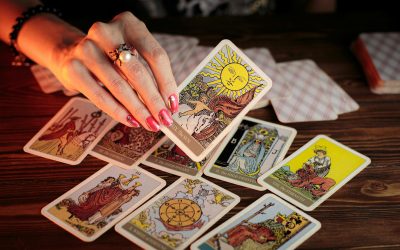
Many people consult astrology and horoscopes, which often involve interpretations of the moon’s influence on personality traits and emotions. The study of lunar cycles and their impact on human behavior remains a popular subject.
3. Moon Landing and Space Exploration
One of humanity’s most remarkable achievements was the moon landing in 1969. The Apollo 11 mission not only paved the way for scientific advancements but also sparked a renewed interest in the moon’s exploration. Today, NASA and other space agencies continue to study the moon and plan for future manned missions.
Conclusion
From ancient tribes to modern-day culture, moon worship has persisted as a testament to mankind’s fascination with this celestial body. The practices and beliefs surrounding moon worship have evolved over time, leaving an indelible mark on history. Whether through ancient rituals, cultural events, or artistic expressions, the moon’s influence continues to inspire and captivate us.
Next time you gaze at the night sky and bathe in the moon’s soft glow, remember the rich history and stories woven into its timeless existence.