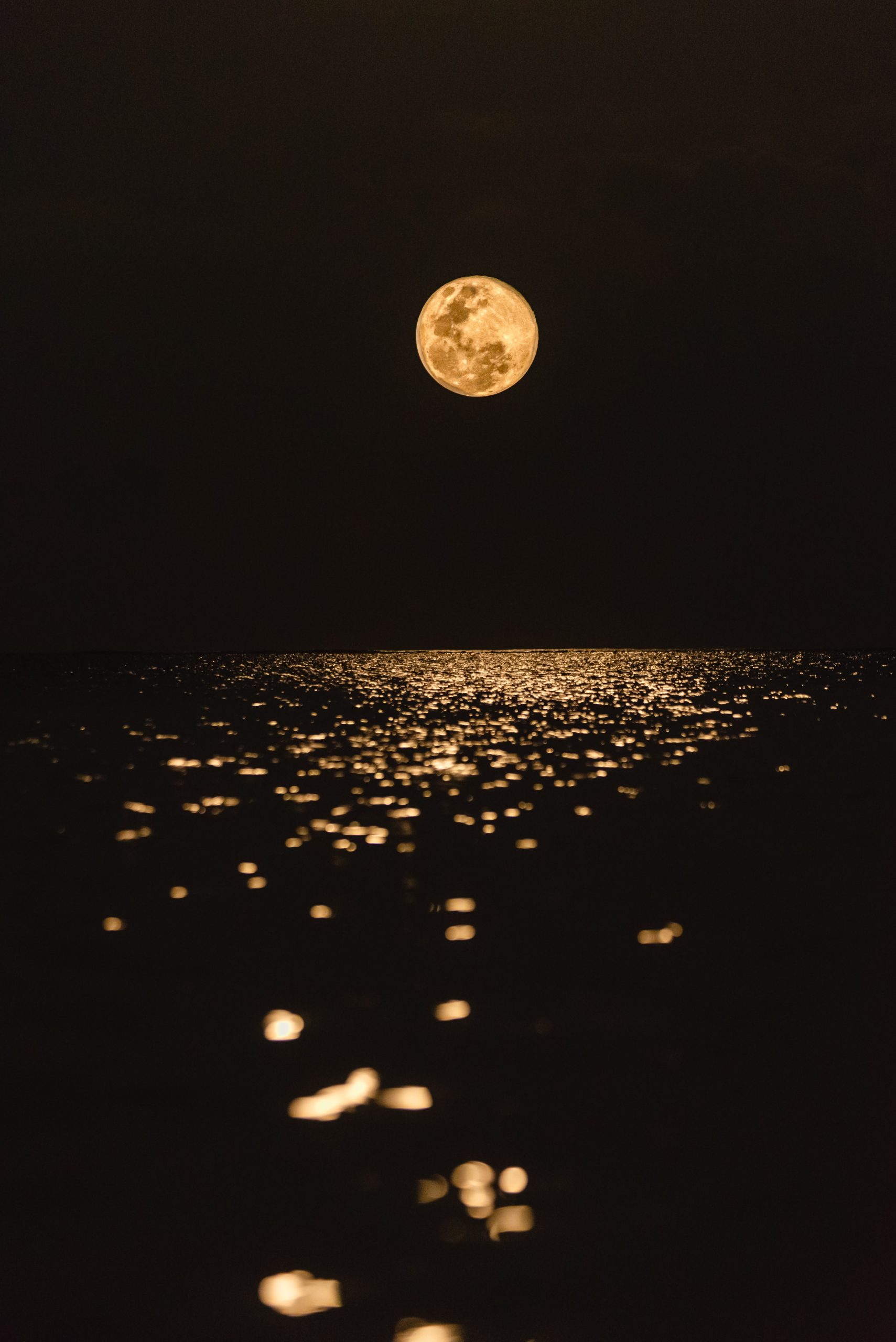
Moon Phase on May 5, 2006
Have you ever wondered about the moon’s phases and how they influence our planet? The moon, Earth’s only natural satellite, not only illuminates our nights but also plays a crucial role in various natural phenomena. Understanding the moon’s phases can help us appreciate the beauty of our universe and learn more about the celestial forces that shape our world.
Introduction to Moon Phases
The moon goes through different phases as it orbits around Earth. These phases are caused by the relative positions of the sun, moon, and Earth. As the moon revolves around our planet, the sun illuminates different portions of its surface, leading to the distinct phases we observe from Earth.
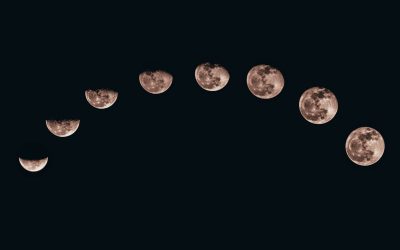
There are eight primary moon phases: new moon, waxing crescent, first quarter, waxing gibbous, full moon, waning gibbous, third quarter, and waning crescent. Each phase lasts approximately 3.5 days, resulting in a complete lunar cycle lasting about 29.5 days.
The Moon Phase on May 5, 2006
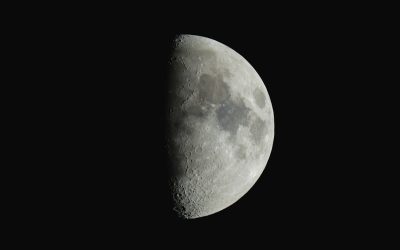
On May 5, 2006, the moon displayed a waxing gibbous phase. This phase occurs when the moon is more than half illuminated but not yet a full moon. The waxing gibbous phase falls between the first quarter and full moon phases.
During the waxing gibbous phase, the illuminated portion of the moon grows larger each night. On May 5, 2006, the moon was approximately 12.7 days old since the last new moon and appeared as a large, bright disc in the night sky, with around 78% of its surface illumated.
How Moon Phases Influence Earth
The moon’s phases have a significant impact on various Earthly phenomena. From tides to animal behavior, the moon’s gravitational pull and its changing phases play a crucial role. Let’s explore some of these influences:
1. Tidal Effects
One of the most noticeable effects of the moon’s phases is their impact on Earth’s tides. The gravitational forces exerted by the moon and the sun cause tidal bulges, resulting in the rise and fall of sea levels. During the waxing gibbous phase, the gravitational pull is strong, contributing to high tides known as spring tides.
2. Lunar Gardening
Believers in lunar gardening often schedule their planting and harvesting activities based on moon phases. During the waxing gibbous phase, it is believed that plants experience vigorous growth, making it an ideal time for sowing seeds and transplanting seedlings.
3. Human Behavior
While scientific evidence is limited, many people believe that the moon’s phases can affect human behavior, particularly during the full moon phase. Some studies suggest a correlation between lunar cycles and sleep patterns, emergency room visits, and even crime rates. However, further research is needed to establish conclusive evidence.
Exploring Moon Phase Data
If you’re interested in exploring moon phase data for any specific date, numerous online resources and smartphone applications provide accurate information. One such source is the Time and Date website. By entering a particular date, you can obtain detailed information about the moon’s phase and illumination percentage.
Conclusion
The moon’s phases offer a fascinating glimpse into the interplay between celestial bodies and our daily lives. On May 5, 2006, the waxing gibbous phase showcased a beautifully illuminated moon, captivating observers worldwide. Whether it’s the ebb and flow of tides or beliefs in lunar gardening, understanding the moon’s phases allows us to appreciate the interconnectedness of the Earth and the universe.
So, the next time you look up at the night sky and see the moon, take a moment to contemplate its phase and reflect on the wonders of our universe.