Are you fascinated by the moon and its different phases? Curious to understand how the moon changes over time? In this beginner’s guide, we will explore the moon phases specifically in Australia and provide you with all the information you need to get started with moon watching!
What are Moon Phases?
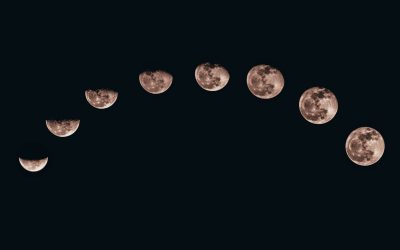
The moon exhibits different phases as it orbits around the Earth, creating beautiful variations in its appearance. These phases are determined by the positions of the Earth, moon, and sun.
The four primary moon phases are:
- New Moon: The moon isn’t visible from Earth.
- First Quarter: Half of the moon is visible, resembling a semicircle.
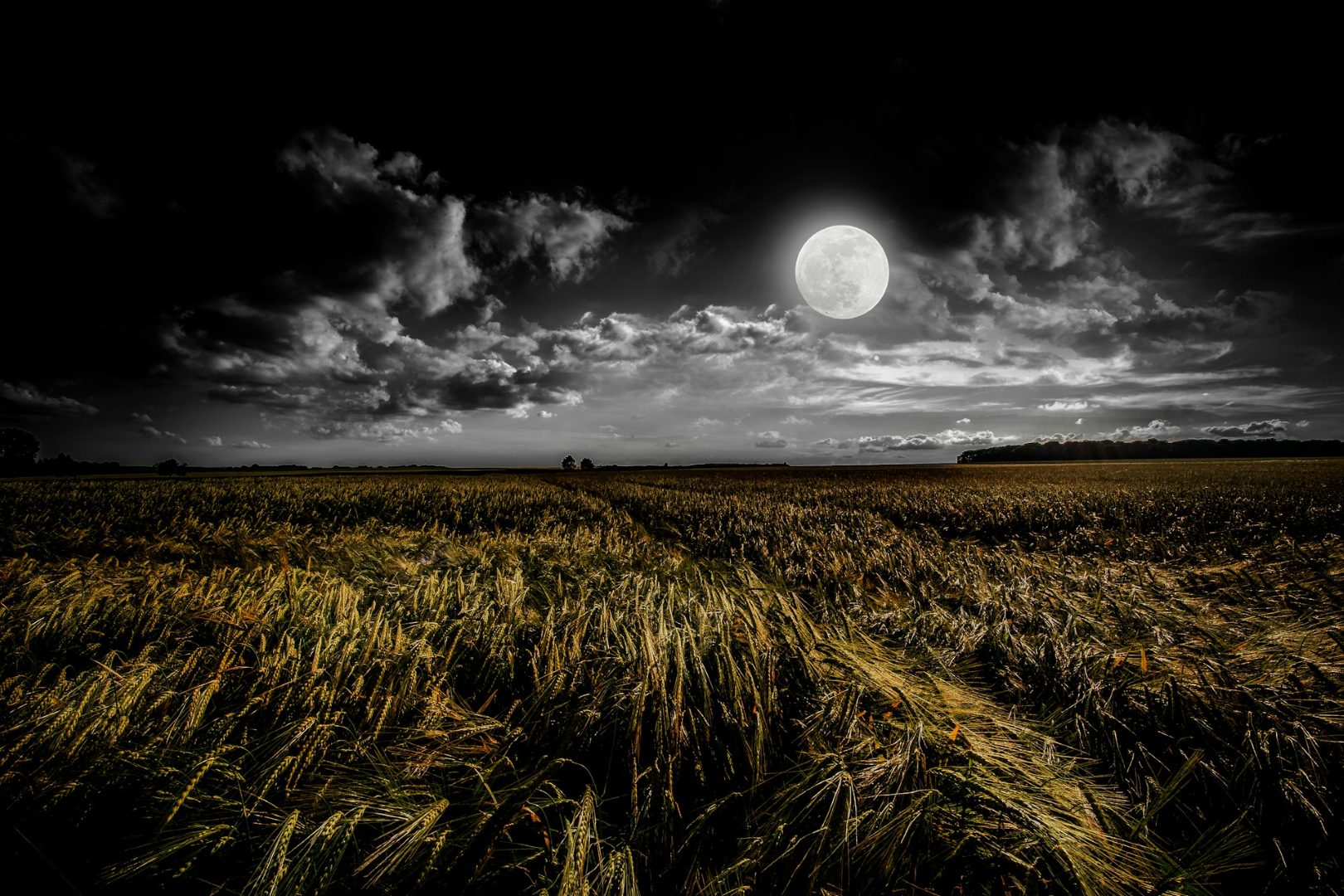
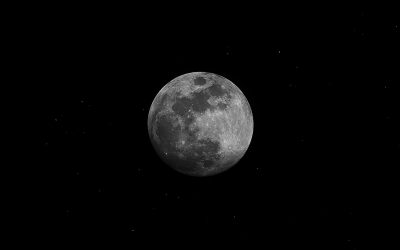
- Full Moon: The entire moon is visible and looks like a bright circle.
- Last Quarter: Half of the moon is visible, resembling another semicircle.
Moon Phase Calendar for Australia
The moon phase calendar is an essential tool for determining the moon’s current phase and planning your moon-watching activities. Here is a simple month-by-month breakdown of the moon phases in Australia:
January 2022
| Date | Moon Phase |
|---|---|
| 2nd January | New Moon |
| 10th January | First Quarter |
| 17th January | Full Moon |
| 24th January | Last Quarter |
Note: Moon phase dates may vary slightly depending on your location in Australia, so it’s always a good idea to double-check with a reliable astronomy resource or mobile application.
How to Observe Moon Phases
Observing moon phases doesn’t require any special equipment or expertise. You can enjoy the moon’s beauty with the naked eye, but binoculars or a telescope can enhance your experience.
Here are some tips to help you get started:
- Find a location with minimal light pollution for better visibility.
- Check the moon phase calendar to know when to look for specific phases.
- During the new moon, when the moon isn’t visible, is an excellent time for stargazing.
- On a clear night, focus your gaze on the moon and observe its different phases over time.
The Significance of Moon Phases
Moon phases have cultural, agricultural, and scientific significances:
Cultural Significance
Moon phases hold cultural significance in various societies and religions. For instance, some cultures use lunar calendars to determine the dates of festivals and religious events.
Agricultural Significance
Farmers and gardeners have traditionally used moon phases to plan their planting and harvesting activities. Certain moon phases are believed to influence plant growth, and aligning activities accordingly may enhance agricultural outcomes.
Scientific Significance
Astronomers and scientists study moon phases to deepen their understanding of celestial mechanics and the moon’s impact on the Earth. The study of moon phases also contributes to our knowledge of tides and lunar cycles.
Conclusion
Exploring the moon phase in Australia is an exciting and accessible way to connect with the wonders of the universe. By understanding the different phases and observing them, you can develop a deeper appreciation for our closest celestial neighbor. So, mark your calendar, find a cozy spot, and enjoy the ever-changing beauty of the moon!