Lunar Phase: Understanding the Last Quarter Moon
As we look up at the sky, it’s hard not to be captivated by the beauty of the moon. It has played a vital role in human history, and it’s still an essential part of our lives today. One of the most fascinating things about the moon is its various phases. Each phase has its own unique appearance, and they can tell us a lot about what’s happening in our solar system. In this article, we’re going to discuss the last quarter moon, its characteristics, and why it’s worth paying attention to.
What is the Last Quarter Moon?
The lunar phase known as the last quarter moon occurs when the moon is three-quarters of the way through its orbit around the Earth. During this time, the moon appears as a half-moon shape in the sky. It’s called the “last quarter” moon because it means that the moon has completed three-quarters of its cycle and is on its way to becoming a new moon.
Characteristics of the Last Quarter Moon
The last quarter moon is known for its unique characteristics. It rises around midnight and is visible until the morning. Due to its half-moon shape, only half of the moon’s surface is visible, and there’s a clear boundary between the dark side and the illuminated side. This makes it easier to observe the craters and mountains on the moon’s surface. Another notable feature of the last quarter moon is that it’s often confused with a waning crescent moon.
Why is the Last Quarter Moon Important?
The last quarter moon is essential for several reasons. Firstly, it’s a reminder that the lunar cycle is almost over, and a new moon will soon be upon us. This can symbolize new beginnings, fresh starts, and the end of old cycles. Additionally, the last quarter moon is crucial for astronomers and other scientists studying the moon. Its unique shape and position in the sky make it easier to study different parts of the moon’s surface.
Understanding the Last Quarter Moon: FAQ
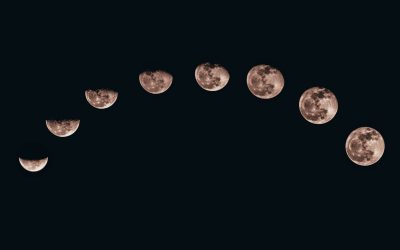
The lunar phase, popularly known as moon phases, refers to the different appearances of the moon in the sky, depending on its position and orientation with respect to the sun and the Earth. There are eight different phases; the last quarter moon is one of them. Individuals interested in astronomy or astrology might have questions surrounding this particular phase. Below are some of the most frequently asked questions about the Last Quarter Moon.
1. What is a Last Quarter Moon?
The Last Quarter Moon is the lunar phase that arrives after the third quarter moon and before the new moon. During this phase, the moon appears as a slightly curved, half-moon shape. It occurs when the moon is three-quarters of its way through its orbit around the Earth. The term “last” indicates that the moon has finished its current cycle and is beginning a new one.
2. When does the Last Quarter Moon occur?
The Last Quarter Moon happens approximately three months after the new moon. This phase appears in the sky for about a week, after the third quarter and before the new moon. Typically, it takes 29.5 days for the moon’s cycle to complete. So, the Last Quarter Moon commonly occurs at about the 22nd day of the lunar cycle.
3. What are the characteristics of the Last Quarter Moon?
The Last Quarter Moon is known for its unique characteristics. During this phase, the moon appears as a half-moon illuminated on its left side, in the Northern Hemisphere. In contrast, it appears illuminated on its right side in the Southern Hemisphere. The moon rises during midnight and peaks at dawn. The Last Quarter Moon is the last phase before the new moon and is quite different from the other lunar phases.
4. Why is the Last Quarter Moon important in astrology?
Astrology uses the Lunar cycle to study the connection between human nature and the astronomical events. The Last Quarter Moon reflects the energy of closure. It signifies the end of things like relationships, jobs, and projects. The people who were born under this phase appear to be brave and strong-willed, with a sense of knowledge that they’ve gained from their past experiences.
5. Can you see the Last Quarter Moon during the day?
Yes! people can see the Last Quarter Moon during the day. However, it may be a little challenging to spot the phase in the sky as it is quite subtle due to the sun’s light. Often, you may require a telescope to observe it.
6. What is the significance of the Last Quarter Moon on tides?
The gravitational force between the Earth, Moon, and Sun creates tides. When the sun, moon, and earth align during new moon and full moon, their combined gravitational pull increases. This alignment results in what is called spring tides. During the Last Quarter Moon, the gravitational pull of the sun and the moon are pulling in opposite directions, resulting in neap tides. During neap tides, the high tide is lower than the usual high tide.
7. Can the Last Quarter Moon affect sleep patterns?
The moon’s cycle, including the Last Quarter Moon, affects some people’s sleep patterns, whereas it does not affect others. A study tells us that people near the equator are more likely to experience sleep disturbances during the Last Quarter Moon. However, It’s important to remember that everyone is different and might respond differently to the same events.
Lunar Phase: Understanding the Last Quarter Moon
Lunar phases have been fascinating humans for centuries. From ancient times, lunar phases have been considered as something magical, and people believed that the moon’s phase had a profound effect on their lives. Even today, people observe the moon’s shape and explore the different lunar phases to better understand and appreciate the universe. In this blog post, we will discuss one of the lunar phases, the Last Quarter Moon.
What is the Last Quarter Moon?
The Last Quarter Moon is one of the four primary phases of the Moon that occurs approximately 22.5 days after the New Moon. In this phase, half of the moon is illuminated, while the other half remains dark. The last quarter moon marks the end of the Full Moon or Waxing phases and the beginning of the New Moon or Waning phases. During this phase, the moon appears in the sky as a half moon, with the left half visible.
When Does the Last Quarter Moon Occur?
The Last Quarter Moon occurs when the moon is 270 degrees behind the sun or three-quarters of the way around its orbit of the Earth. It appears approximately seven days after the Full Moon, just before the New Moon. This phase of the moon is visible in the late night sky and early morning hours.
What Are the Characteristics of the Last Quarter Moon?
1. Illumination: During the Last Quarter Moon, the moon appears about 50% illuminated.
2. Visibility: The Last Quarter Moon rises around midnight and is visible in the early morning hours.
3. Shape: The Last Quarter Moon appears as a half-moon, with the left half illuminated and the right half in shadows.
4. Gravitational Effects: The gravitational pull of the Last Quarter Moon creates low tides.
Why is the Last Quarter Moon important?
The Last Quarter Moon is significant because it marks the final stage of the moon cycle before the New Moon, where the moon will be completely invisible. During the Last Quarter Moon, the moon appears like a half-moon, with half of it illuminated and half in darkness. Apart from being important in lunar calendars, it also plays a crucial role in various cultural beliefs and religious celebrations.
How to Observe the Last Quarter Moon?
The Last Quarter Moon is visible in the late-night sky and early morning hours, depending on the region’s location. To observe the Last Quarter Moon, it’s ideal to locate an area with low light pollution and clear skies. The Last Quarter Moon appears as a half-moon in the sky, with the left half illuminated and the right half dark.
Conclusion
Lunar phases have long been a fascinating aspect of human cultures and beliefs since ancient times. Observing the different moon phases such as the Last Quarter Moon can help us appreciate the universe’s vastness and understand its working better. The Last Quarter Moon marks the end of the Full Moon phase and plays a significant role in various religious and cultural practices. Understanding the characteristics of the Last Quarter Moon helps you to observe it better in the sky and appreciate its beauty.