Is Luna a Goddess?
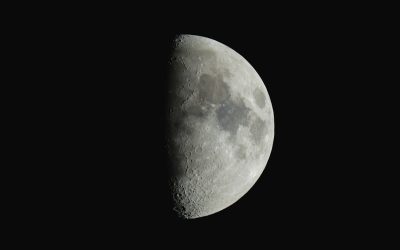
Throughout history and across various cultures, celestial bodies have often been associated with deities and revered as divine entities. The moon, with its mesmerizing beauty and mysterious allure, has captivated mankind for centuries. In many mythologies and religious belief systems, the moon is personified as a goddess. In this blog post, we will explore the concept of Luna as a goddess and delve into the different cultural perspectives surrounding this notion.
The Roman Goddess: Luna
In Roman mythology, Luna was indeed recognized as a goddess. She was the divine embodiment of the moon, often depicted as a beautiful woman carrying a torch or a crescent moon. Luna was associated with various aspects such as fertility, childbirth, and the passage of time. She was regarded as a powerful and benevolent deity, overseeing the nocturnal cycles and providing light during the darkness of the night.
Worship of Luna was prevalent in ancient Rome, with temples dedicated to her throughout the empire. The Roman calendar also consisted of lunar phases and lunar cycles, further emphasizing the importance of Luna in their cultural and religious practices.
Other Cultural Perspectives
While Luna was revered as a goddess in Roman mythology, other cultures have also ascribed divine qualities to the moon. Let’s take a journey around the world and explore some of these cultural perspectives:
Greek Mythology: Selene and Artemis
In Greek mythology, the moon was associated with two goddesses: Selene and Artemis. Selene, often depicted as a young woman with a crown of the moon, was the personification of the moon itself. She was considered the sister of Helios (the sun god) and Eos (the goddess of the dawn). Artemis, on the other hand, was the goddess of the hunt, wilderness, and the moon. While Selene represented the moon’s tranquil and gentle aspects, Artemis embodied its wild and untamed nature.
Japanese Folklore: Tsukuyomi
In Japanese folklore, Tsukuyomi was the Shinto god of the moon. He was one of the offspring of Izanagi and Izanami, the divine couple who created the world. Tsukuyomi was believed to control the night and the moon’s movements, symbolizing the changing seasons and the passage of time.
Native American Beliefs: Moon Deities
Various Native American tribes also venerated the moon as a deity. For example, the Ojibwe tribe believed in Nokomis, the grandmother moon, who played a crucial role in their creation story. The Lakota Sioux associated the moon with Hanwi, the goddess of the night and guardian of dreams. These are just a few examples of how indigenous cultures incorporate lunar deities into their spiritual and mythological systems.
Luna in Modern Popular Culture
While the worship of Luna as a goddess may have diminished over time, her significance and symbolism still persist in modern popular culture. From literature to movies, music to fashion, the moon continues to capture our imagination and evoke a sense of wonder.
Artists, writers, and musicians often draw inspiration from the moon, using its imagery to convey emotions like love, mystery, and longing. In fashion, lunar motifs are frequently seen, symbolizing beauty and femininity. Many people also find solace and connection in practices like moon gazing, moon rituals, and astrology, which emphasize the spiritual and mystical aspects of the moon.
In Conclusion
While Luna is not universally recognized as a goddess in all cultures, there is a rich tradition of associating the moon with divine feminine qualities throughout history. From the Roman goddess Luna to the Greek goddesses Selene and Artemis, and beyond, the moon has held a special place in human spirituality and mythology.
Whether we see the moon as a goddess or simply as a celestial body that lights up our night sky, there is no denying its profound impact on our collective human experience. The moon’s beauty, symbolism, and mysterious nature continue to inspire us, reminding us of the vast mysteries that lie beyond our earthly existence.
So, the next time you gaze up at the moon, allow yourself to be enraptured by its ethereal glow and consider the timeless question: Is Luna a goddess?