
How to Start Tarot Card Reading: A Comprehensive Guide
Are you intrigued by the mysticism and insight that tarot card reading offers? Perhaps you’ve always been drawn to the art of divination, and now you’re ready to delve deeper into the world of tarot. Starting your journey as a tarot card reader can be both exciting and intimidating. But fear not! In this comprehensive guide, we’ll walk you through everything you need to know to begin your tarot card reading practice.
Understanding the Basics: What is Tarot Card Reading?
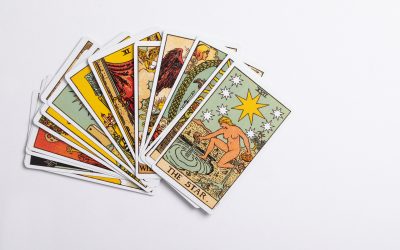
Tarot card reading is an ancient divination practice that uses a deck of 78 cards, each with its own symbolism and meaning. The tarot deck is divided into two main groups: the Major Arcana and the Minor Arcana. The Major Arcana consists of 22 cards that represent significant life events and archetypal energies, while the Minor Arcana consists of 56 cards that provide more detailed insights into everyday situations.
Step 1: Choose the Right Tarot Deck
The first step in starting your tarot card reading journey is selecting a tarot deck that resonates with you. There are countless beautiful and unique tarot decks available, each with its own artistic style and symbolism. Take your time exploring different decks and choose one that speaks to your intuition and aesthetic preferences.
When selecting a deck, consider the imagery, the card meanings, and how easily you connect with the artwork. Whether you choose a traditional Rider-Waite-Smith deck or a more modern deck, trust your instincts and choose a deck that feels right for you.
Step 2: Get to Know Your Tarot Deck
Once you have your tarot deck, it’s crucial to establish a strong connection with it. Start by familiarizing yourself with each card’s meaning and symbolism. Many tarot decks come with guidebooks or companion books that describe the cards in detail. Take the time to read through the material provided, but also feel free to explore different interpretations and associations.
Begin by studying the Major Arcana cards. These cards represent significant life events and overarching themes. Take note of the symbols, colors, and characters depicted in each card, and reflect on the emotions and messages they evoke within you.
Move on to the Minor Arcana cards. These cards reflect everyday situations and provide more specific insights. Familiarize yourself with the four suits of the Minor Arcana: Cups (emotions), Pentacles (material matters), Swords (intellect and conflict), and Wands (action and passion). Learn the meanings associated with each suit, as well as the individual meanings of each card within the suits.
As you explore the cards, it’s helpful to keep a tarot journal. Record your observations, personal interpretations, and any intuitive insights you receive. This journal will serve as a valuable resource as you continue to develop your tarot card reading skills.
Step 3: Learn Tarot Spreads
Now that you have a solid understanding of your tarot deck, it’s time to learn different tarot spreads. Tarot spreads are specific arrangements of cards that provide insights into a particular question or situation. There are a variety of spreads to choose from, ranging from simple three-card spreads to more complex spreads like the Celtic Cross.
Start with simpler spreads, such as the past-present-future spread or the three-card relationship spread. These spreads will help you practice interpreting the cards and understanding how they relate to each other within a spread.
As you become more comfortable with the basic spreads, you can explore more intricate ones, like the ten-card Celtic Cross spread. Remember that each tarot spread has its own purpose and focus, so choose a spread that aligns with the specific question or area of life you want guidance on.
Step 4: Practice, Practice, Practice
Like any skill, tarot card reading requires practice to develop proficiency. Start by giving yourself readings on a regular basis. Pull cards for yourself and use your intuition, knowledge of the card meanings, and familiarity with the spreads to interpret their messages.
You can also practice tarot card reading with friends, family members, or willing participants. This will not only provide you with more opportunities to practice your reading skills but also help you gain confidence in delivering readings and conveying the insights you receive.
Remember, tarot card reading is a continually evolving practice. Keep exploring different interpretations, experiment with different spreads, and allow your intuition to guide you. The more you practice, the more you’ll develop your own unique reading style and deepen your connection with the cards.
Step 5: Seek Guidance and Resources
As you embark on your tarot card reading journey, it’s essential to seek guidance and learn from experienced tarot readers. Attend workshops, join online communities, or find a mentor who can provide valuable insights and help you refine your reading skills.
Additionally, there are numerous books, websites, and apps dedicated to tarot card reading. Explore various resources, study different perspectives, and continue to expand your knowledge of the cards and their meanings. Remember that tarot is a vast field, and there’s always more to learn.
Conclusion
Starting your journey as a tarot card reader may feel overwhelming at first, but with dedication and practice, you’ll develop a deep connection with the cards and enhance your intuitive abilities. Remember to choose a tarot deck that resonates with you, get to know the symbolism and meanings of the cards, learn different tarot spreads, and practice regularly.
As you progress on your tarot card reading path, don’t be afraid to experiment, trust your intuition, and find your unique reading style. Enjoy the process of discovery and embrace the wisdom that tarot cards can bring to both yourself and others.