How Often Does the Moon Rotate Around the Earth?
The moon, Earth’s only natural satellite, has been an object of fascination and wonder for humans throughout history. Its regular cycles and phases have served as a convenient way to mark time, plan agricultural activities, and inspire stories and myths. One of the fundamental questions about the moon is how often it rotates around the Earth. In this blog post, we will dive deep into the topic and explore the intricacies of the moon’s rotation.
The Basics of Moon’s Rotation
Before looking at how often the moon rotates around the Earth, let’s first clarify what we mean by “rotation.” Rotation refers to the spinning motion of an object around its own axis. In the case of the moon, its rotation determines the length of a lunar day and the formation of its familiar light and dark patches, known as lunar phases.
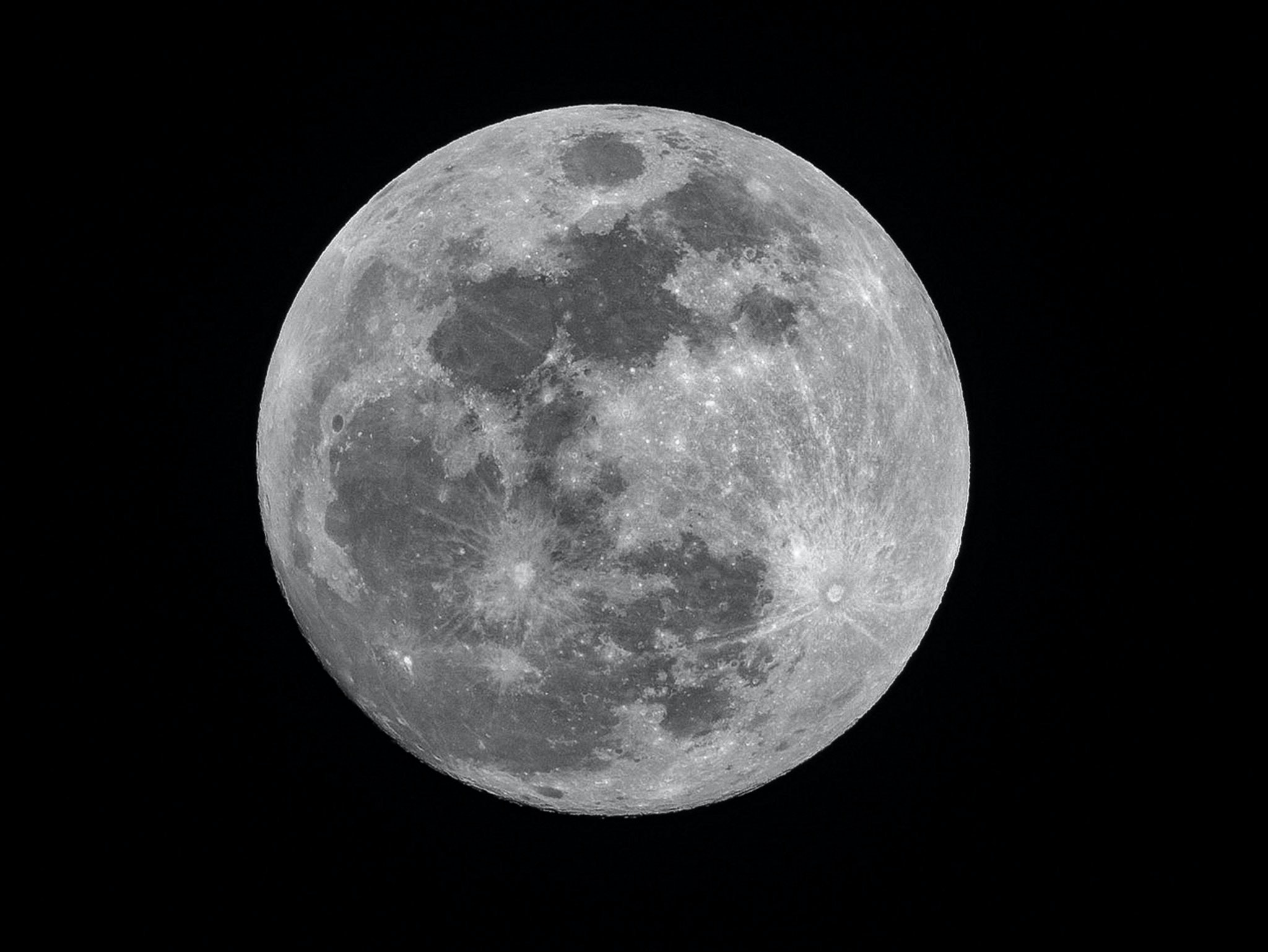
It might come as a surprise, but the moon is tidally locked to the Earth. This means that the same side of the moon always faces our planet. As a result, the moon’s rotation period matches its orbital period around the Earth, causing it to complete one rotation in the same time it takes to complete one orbit.
The exact time it takes for the moon to complete one rotation is known as a lunar sidereal day. Let’s take a closer look at how long it actually lasts.
Understanding Lunar Sidereal Days
A sidereal day refers to the time it takes for a celestial object to complete one 360-degree rotation relative to the background stars. In the case of the moon, its sidereal day is approximately 27.3 Earth days in duration.
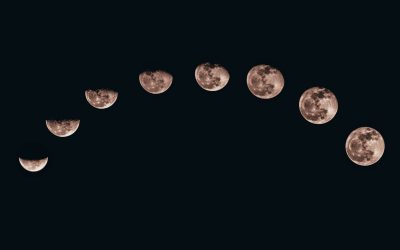
However, it’s important to note that while the moon rotates on its axis, it also orbits around the Earth. This orbital motion causes a slight delay in its rotation as it moves around our planet. As a result, the moon takes around 29.5 Earth days to complete a full cycle of its phases, such as new moon to new moon or full moon to full moon. This period is known as a lunar synodic month.
In simple terms, each lunar day lasts approximately 27.3 Earth days, while the complete cycle from one full moon to the next takes around 29.5 Earth days.
Influence of Sun’s Gravity
The rotation of the moon is not solely influenced by the Earth’s gravitational pull. The gravitational force exerted by the sun also plays a significant role in shaping the moon’s motion. The sun’s gravity causes slight perturbations in the moon’s orbit, affecting its rotation period.
As the moon moves along its elliptical orbit around the Earth, the strength of the sun’s gravitational pull varies. When the moon is closer to the sun, its rotation slows down a bit. Conversely, as the moon moves away from the sun, its rotation speeds up slightly. These variations contribute to small periodic changes in the moon’s rotational period.
| Moon’s Position | Impact on Rotation |
|---|---|
| Perigee (closest to the Earth) | Rotation slows down |
| Apogee (farthest from the Earth) | Rotation speeds up |
The combined gravitational forces of the Earth and the sun create a slightly irregular rotation pattern for the moon, making its exact rotation time a complex calculation.
Additional Factors Affecting Lunar Rotation
While the tidal forces exerted by the Earth and the sun are the primary influencing factors, other elements can also impact the moon’s rotation. These include:
- Lunar libration: Due to the moon’s elliptical orbit and inclination relative to the Earth’s equator, we can observe a slight “wobble” or rocking motion of the moon. This phenomenon is referred to as lunar libration, which causes a small variation in the apparent rotation of the moon.
- Geological activity: The moon is a dynamic object with past and present geological activity. Volcanic eruptions and other processes can alter its shape and affect its rotation to some extent. However, the impact of these factors on the moon’s overall rotation period is minimal.
- Gravitational interactions with other celestial bodies: In addition to the Earth and the sun, the gravitational influence of other celestial bodies, such as planets or passing asteroids, can also have subtle effects on the moon’s rotation. These interactions are generally too small to be noticeable.
Conclusion
In summary, the moon takes approximately 27.3 Earth days to complete one rotation relative to the background stars, known as a lunar sidereal day. However, due to its orbital motion around the Earth, the moon’s rotation period relative to the sun and its phases lasts around 29.5 Earth days, referred to as a lunar synodic month.
The moon’s rotation is influenced not only by the Earth’s gravitational pull but also by the gravitational forces of the sun and other celestial bodies. These influences cause slight variations in the moon’s rotation period and give rise to phenomena like lunar libration.
By understanding the complex interplay of gravitational forces and celestial mechanics that governs the moon’s rotation, we gain a deeper appreciation for this remarkable celestial neighbor that has captivated humanity for millennia.