When it comes to the phases of the moon, the new moon is one of the most captivating and mysterious. But have you ever wondered how long a new moon lasts? In this article, we will explore the duration of a new moon, its significance, and interesting facts surrounding this lunar phase.
Understanding the New Moon
Before we dive into the duration of a new moon, let’s begin by understanding what exactly a new moon is.
During a new moon, the moon is positioned between the Earth and the Sun, with the side of the moon facing Earth appearing completely dark. This happens as the moon’s illuminated side is facing away from us. Although the new moon is invisible to the naked eye, it plays a crucial role in the lunar cycle and holds significance in various cultures around the world.
Duration of a New Moon
So, how long does a new moon last?
Technically, a new moon is considered to last for only a brief moment. It occurs when the moon reaches the same celestial longitude as the Sun. This means that the new moon phase happens when the moon and the Sun are directly aligned and their longitudes are the same.
However, while the new moon itself only lasts a moment, its effects can be observed for a couple of days. The visibility of the new moon phase begins a day or two after the actual moment of the new moon and continues until the waxing crescent phase becomes visible.
The Waxing Crescent Phase
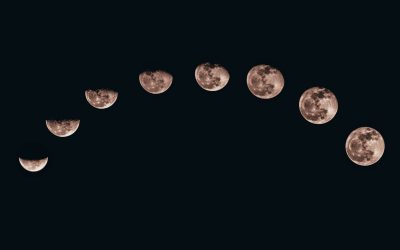
Following the new moon, the moon enters the waxing crescent phase, which marks the beginning of its journey towards a full moon. During this phase, a small, illuminated crescent starts to become visible.
The waxing crescent phase typically lasts for about 3-4 days. It is during this period that the moon becomes increasingly visible each night as it moves away from the new moon phase towards the first quarter phase.
Interesting Facts and Cultural Significance
The new moon holds various cultural significances throughout history:
- Many cultures consider the new moon as a symbol of new beginnings.
- In astrology, the new moon is associated with setting intentions and starting fresh.
- Some religious holidays, festivals, and rituals are specifically aligned with the new moon phase.
The Impact on Tides
While the new moon phase may not have a direct impact on humans, it plays a crucial role in ocean tides. When the Sun, Earth, and Moon are aligned during a new moon, their combined gravitational force intensifies, causing higher tidal ranges known as spring tides. This can result in more extreme high and low tides.
Tips for Observing the New Moon
Observing the new moon can be a fascinating experience. Here are a few tips to enhance your viewing:
- Find a location away from city lights to minimize light pollution.
- Use binoculars or a telescope for a closer look at the lunar surface.
- Consult a lunar calendar to determine the best time to observe the new moon in your location.
Conclusion
While a new moon itself only lasts a moment, its impact can be observed for a couple of days as it transitions into the waxing crescent phase. Understanding the duration of a new moon and its significance can help cultivate a deeper appreciation for the celestial wonders that surround us.
So, the next time you gaze up at the night sky and spot the delicate crescent of the waxing moon, you’ll have a better understanding of the journey it has taken from the mysterious new moon phase.