Exploring the Symbolism of the Moon and Star in Islam
Islam, one of the world’s major religions, incorporates a rich tapestry of symbols that hold deep spiritual and cultural significance. Among these symbols, the moon and star have come to represent Islam in various contexts. From the flag of many Muslim countries to decorative elements in Islamic art and architecture, the symbolic pairing of the moon and star has become an iconic representation of the faith.
The Historical Origins of the Symbol
The moon and star symbol has a long and complex history, predating its association with Islam. The earliest known use of the symbol dates back to pre-Islamic civilizations in the Middle East and Central Asia. It was used by various ancient cultures, including the Sumerians and the Turks.
However, it was during the reign of the Ottoman Empire that the symbol gained prominence within the Islamic context. The Ottoman Turks adopted the crescent moon and star as their official emblem, and it became synonymous with their empire, which spanned across three continents. As the Ottoman Empire encompassed a significant portion of the Muslim world, the symbol gradually became associated with Islam itself.
The Symbolism of the Moon
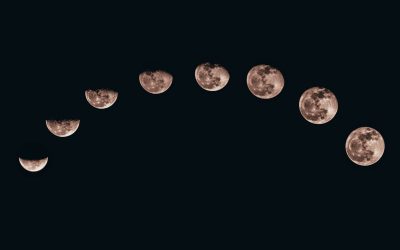
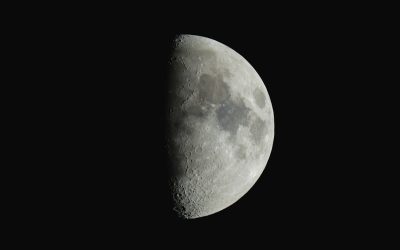
In Islam, the moon holds multiple layers of symbolism. The sighting of the crescent moon marks the beginning of the Islamic lunar month, signaling the start of important religious observances such as Ramadan. The Islamic calendar follows the lunar cycle, emphasizing the significant role the moon plays in determining Islamic festivities and rituals.
Besides its role in the Islamic calendar, the moon is often associated with spirituality, enlightenment, and guidance. Just as the moon reflects the light of the sun, Muslims strive to reflect the light of Allah in their lives. The moon also represents the cyclical nature of life and the continuous pursuit of spiritual growth.
The Symbolism of the Star
The star, often depicted alongside the crescent moon in Islamic symbolism, holds its own significance within the faith. It symbolizes divine light and guidance, leading Muslims toward the path of righteousness. Just as sailors navigate through the night using the stars as beacons, the star in Islamic symbolism serves as a guiding light in the journey of faith.
The star’s connection to the Prophet Muhammad adds another layer of symbolism. According to Islamic tradition, when the Prophet Muhammad was born, a radiant star appeared in the sky, signifying his pivotal role as the final prophet of Islam. As a result, the star serves as a reminder of his teachings and the principles of Islam.
The Contemporary Use of the Symbol
Today, the crescent moon and star symbol is widely recognized as an Islamic symbol and is utilized in various cultural and national contexts. Several Muslim-majority countries, such as Turkey, Pakistan, and Algeria, incorporate the crescent moon and star into their national flags.
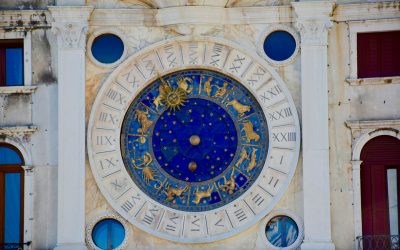
Beyond national emblems, the symbol is incorporated into Islamic art and architecture. Intricately designed mosques, madrasas, and other Islamic structures often feature the moon and star motif, creating a visually stunning display of Islamic identity.
Understanding Symbolism in Islam
It is important to note that Islamic symbolism, including the moon and star, varies in interpretation and significance among different traditions and cultures within the Muslim world. Some individuals and communities may place more emphasis on certain symbols, while others may interpret them in a more metaphorical or less literal manner.
Like any other symbol, the meaning of the moon and star in Islam is open to personal interpretation and context. While it carries historical, cultural, and religious significance, it is essential to approach the symbolism with respect and an understanding of its diverse interpretations.
Conclusion
The moon and star have become powerful symbols within Islamic culture, representing spirituality, guidance, and cultural identity. Rooted in both historical and religious contexts, the crescent moon and star have evolved to become iconic representations of Islam. Whether seen on flags, adorned in art, or celebrated during religious observances, the moon and star serve as reminders of the profound influence of Islam on the lives of millions of people worldwide.