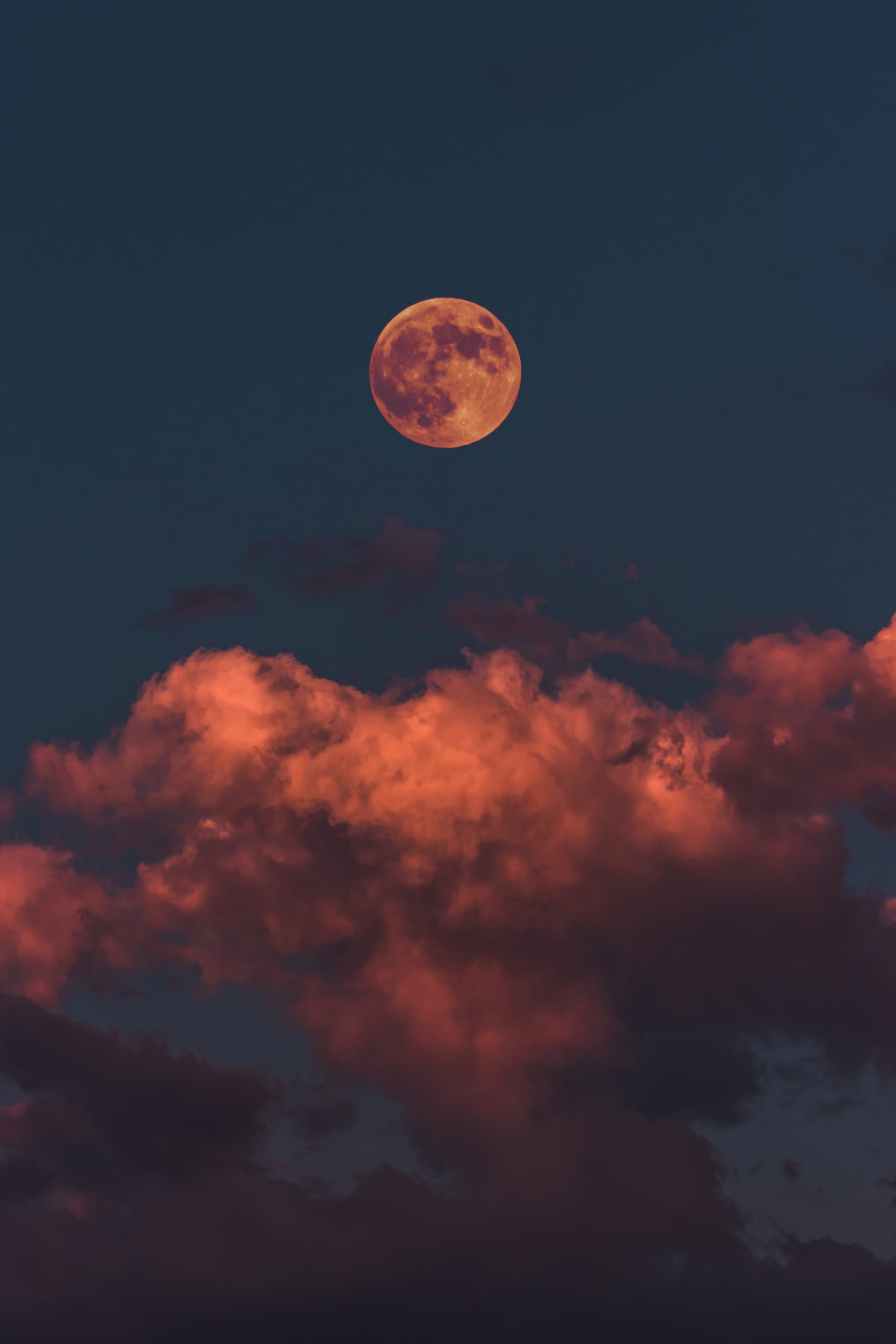
Does the Full Moon Affect Periods?
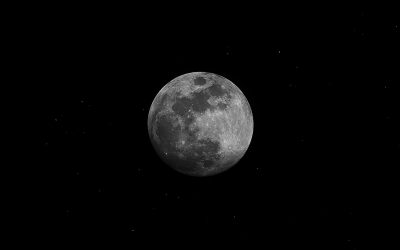
For centuries, human beings have been fascinated by the mysteries of the moon. From its mesmerizing beauty to its influence on tides, the moon has captivated our imaginations. One question that often arises is whether the full moon can affect women’s menstrual cycles. In this blog post, we will delve into the claim that the full moon has an impact on periods and explore the scientific evidence behind this belief.
The Lunar Connection
Many cultures across the world have associated the moon with cycles and fertility. In ancient mythology, lunar goddesses like Selene, Hecate, and Luna were often linked to feminine energy and menstruation. This connection between the lunar cycle and menstruation has led some people to believe that the full moon can influence a woman’s period.
According to the prevailing hypothesis, just as the moon influences the tides, it can also affect the fluids in our bodies, including menstrual blood. The idea is that the full moon’s gravitational pull on the earth’s waters is mirrored in its effect on the fluids within our bodies. However, is there any scientific evidence to support this claim?
The Scientific Investigation
Despite widespread belief in the moon’s influence on menstruation, studies have produced mixed results. Let’s take a closer look at some of the key research conducted in this area:
1. Early Observational Studies
Early observational studies in the 1960s suggested a correlation between the lunar cycle and menstrual cycles. Researchers observed that some women’s periods seemed to align with specific phases of the moon. However, these studies were often small in scale and lacked rigorous scientific controls.
2. Larger Studies
In contrast to the findings of early studies, larger and more recent studies have failed to demonstrate a significant link between the full moon and menstruation. For example, a study published in the journal Psychiatry and Clinical Neurosciences in 2006 looked at the menstrual cycles of 826 women and found no evidence of synchronization with the lunar cycle.
3. Meta-analysis
A meta-analysis published in The Journal of Obstetrics and Gynaecology Research in 2013 examined data from over 26,000 menstrual cycles and concluded that there was no significant association between the lunar cycle and menstruation.
4. Biological Plausibility
From a biological perspective, evidence for the moon’s influence on menstruation is lacking. Menstruation is primarily regulated by hormonal changes in the body, particularly the rise and fall of estrogen and progesterone. These hormonal fluctuations are controlled by the menstrual cycle itself and not external forces such as the moon.
Furthermore, the gravitational force exerted by the moon on the earth is relatively weak. The moon’s gravitational pull is responsible for ocean tides, which are massive bodies of water. In comparison, the bodily fluids involved in menstruation are localized, and any potential gravitational effects would be negligible at best.
The Power of Belief
Despite the lack of scientific evidence supporting the claim that the full moon affects periods, many women report personal experiences of syncing their menstrual cycle with lunar phases. This phenomenon, known as the “menstrual synchrony,” is often attributed to the power of belief and the human need to find patterns and connections in the world.
Our minds are adept at finding correlations, even when they do not exist. It is possible that the belief in the influence of the full moon on periods is perpetuated by anecdotal evidence and confirmation bias. When women notice their periods aligning with the full moon, they may attribute it to the moon’s influence, forgetting the times when their cycles do not sync.
In Conclusion
While it is a fascinating topic that continues to capture our imagination, the claim that the full moon affects periods lacks substantial scientific evidence. Larger studies and meta-analyses have failed to demonstrate a significant link between the lunar cycle and menstruation. Moreover, from a biological perspective, there is no plausible mechanism by which the moon could affect menstrual cycles.
However, the power of belief should not be underestimated, and if syncing your menstrual cycle with the full moon brings you a sense of connection or empowerment, there is no harm in embracing it. Ultimately, our menstrual cycles are influenced by a complex interplay of hormones and individual factors, and it is essential to listen to our bodies and prioritize self-care regardless of lunar phases.
So, next time someone mentions the full moon’s impact on periods, you can confidently share the scientific perspective while appreciating the enduring allure of this age-old belief.