Delving into Lunation: Exploring the Intricacies of Moon Reading
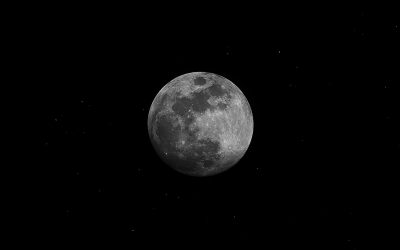
The Moon, with its enigmatic glow and undeniable influence on Earth’s tides, has captivated humans for centuries. From ancient civilizations to modern-day enthusiasts, people have sought a deeper understanding of this celestial body and the potential insights it may provide.
While many are familiar with basic lunar cycles and astrology, few are aware of the fascinating practice of Moon reading. In this comprehensive guide, we will explore the intricacies of moon reading, its historical significance, methodology, and the multitude of wisdom it can offer.
Understanding Moon Reading
Moon reading, also known as lunation or lunar divination, is rooted in the belief that the Moon’s various phases and positions in the zodiac hold significant meaning and can provide guidance to those who seek it. Just as tarot cards or palmistry act as conduits for interpretation, Moon reading utilizes the unique language of the Moon to uncover insights about oneself and the world.
It is important to note that moon reading is separate from astrology. While astrology focuses on the influence of celestial bodies on an individual’s personality and destiny, moon reading specifically centers around the Moon’s energy and symbolism, and how it can affect our emotional well-being.
The Lunar Journey: Historical Significance
The practice of Moon reading finds its roots in ancient civilizations like the Babylonians, Egyptians, and Greeks. These cultures regarded the Moon as a deity, attributing divine power to its cycles and phases. In fact, the very word “month” is derived from the word “moon,” indicating the close connection early societies recognized between the Moon and the passage of time.
Astrologers and mystics from these ancient civilizations began to observe patterns in the Moon’s movements and associated them with different aspects of life. They devised systems to interpret these patterns, creating the foundation for modern-day lunar divination practices.
The Phases of the Moon
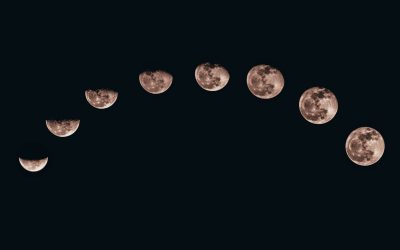
The Moon’s phases, each lasting approximately 29.5 days, serve as the fundamental building blocks for moon reading. These phases include:
- New Moon: Signifying beginnings, intentions, and fresh starts.
- Waxing Crescent: Symbolizing growth, manifestation, and setting intentions.
- First Quarter: Representing challenges, decisions, and taking action.
- Waxing Gibbous: Alluding to refinement, progress, and making adjustments.
- Full Moon: Culmination, illumination, and heightened emotions.
- Waning Gibbous: Encouraging release, gratitude, and reflection.
- Third Quarter: Marking clearing, letting go, and resolving conflicts.
- Waning Crescent: Denoting rest, rejuvenation, and subconscious work.
Understanding these phases and their associated energies is vital for effective Moon reading. Just as different tarot cards carry distinct meanings, each lunar phase offers unique insights into various aspects of life.
Methods and Tools for Moon Reading
Now that we’ve established a foundation in Moon reading’s historical significance and the phases of the Moon, let’s explore some common methods and tools utilized in practical Moon reading:
1. Moon Journals
A Moon journal is an invaluable tool for those seeking to deepen their Moon reading practice. It involves noting the Moon’s phase, zodiac sign, and any emotions, intentions, or experiences during that particular time. Over time, patterns and themes may emerge, helping individuals gain a more profound understanding of their own emotional cycles and the Moon’s influence.
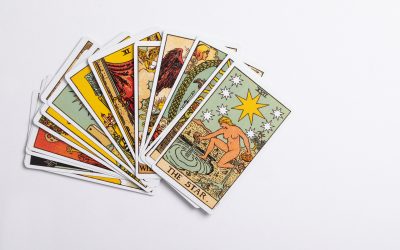
2. Tarot and Oracle Cards
Pairing Moon reading with tarot or oracle cards can enhance the intuitive process and provide additional layers of interpretation. Certain cards may resonate more strongly during specific Moon phases, enabling a deeper connection to the Moon’s energy and revealing valuable insights.
3. Moon Water
Moon water, an elixir charged by the Moon’s energy, is another tool frequently used in Moon reading. By leaving a jar of water under the moonlight, believers harness the Moon’s energy to imbue the water with its essence. This Moon water can then be consumed, used in rituals, or employed as a tool for meditation and divination.
Interpreting Moon Readings
Interpreting a Moon reading requires a balance of intuition and a foundational understanding of the Moon’s symbolism. A skilled Moon reader would consider various factors like the Moon’s phase, its position in the zodiac, and the individual’s personal circumstances.
Consider a scenario where someone is undergoing a difficult transition in their life. A Moon reading during the Waning Crescent phase may suggest that it’s an opportune time for release and letting go. The associated zodiac sign can further illuminate specific aspects of their life this advice applies to.
The Wisdom of the Moon
Moon reading provides an opportunity for self-reflection, growth, and a deeper connection with the natural world. By attuning ourselves to the Moon’s energy, we can gain invaluable insights into our emotions, desires, and paths.
From practical life decisions to matters of the heart, the Moon’s wisdom can guide us towards more authentic and aligned choices. By understanding and honoring the cyclical nature of life, Moon reading offers a powerful tool for finding balance and harmony within ourselves and the world around us.
Incorporate Moon Reading into Your Spiritual Journey
Now that you have a foundational understanding of Moon reading, you can begin exploring this powerful practice within your own spiritual journey. By incorporating moon journals, tarot cards, Moon water, and other tools, you will embark on a mystical journey that illuminates the depths of your own soul.
Remember to approach Moon reading with an open mind and heart, allowing the Moon’s energy to guide you towards a higher awareness and connection with the universe. May the Moon’s wisdom forever light your path.