
Have you ever noticed a beautiful crescent moon symbol and wondered about its meaning? Crescent moon symbols have been used throughout history in various cultures and religions. In this beginner’s guide, we’ll explore the significance and interpretations of these mystical symbols.
1. Ancient Symbolism
The crescent moon has been a symbol of power, magic, and spirituality dating back thousands of years. Ancient civilizations like the Sumerians, Babylonians, and Egyptians revered the moon’s cycles and associated them with deities and celestial forces.
In many cultures, the crescent moon symbolizes fertility, femininity, and the divine feminine energy. It’s often linked to goddesses like Artemis, Diana, Isis, and Hecate.
1.1 Moon Phases and Meanings
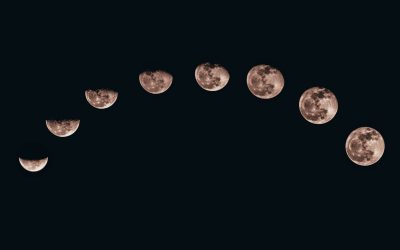
The different phases of the moon also hold symbolic significance:
- New Moon: Represents new beginnings, fresh starts, and setting intentions.
- Waxing Crescent: Symbolizes growth, potential, and manifesting desires.
- First Quarter: Signifies taking action, making decisions, and overcoming challenges.
- Waxing Gibbous: Reflects refinement, progress, and honing skills.
- Full Moon: Represents illumination, completion, and the height of energy.
- Waning Gibbous: Symbolizes gratitude, releasing what no longer serves, and forgiveness.
- Last Quarter: Signifies reflection, learning from experiences, and preparing for new cycles.
- Waning Crescent: Represents rest, healing, and tying up loose ends.
2. Cultural Representations
The crescent moon symbol holds diverse meanings across cultures:
2.1 Islamic Symbolism
In Islamic culture, the crescent moon is a prominent symbol featured on flags, architectural structures, and religious artifacts. It represents the beginning of the Islamic lunar month and is widely associated with Islam and Muslim identity.
2.2 Astronomical Symbolism
Astronomically, the crescent moon refers to the lunar phase when less than half of the moon is visible. This phase occurs as the moon transitions from a new moon to a half moon and represents various cycles of change and transformation.
2.3 Romantic Symbolism
When presented in the context of romance, the crescent moon represents love, emotions, and the poetic nature of moonlit nights. It often appears in literature, art, and romantic settings to evoke a sense of enchantment and mystery.
3. Modern Interpretations
As with any symbol, the meaning of crescent moon symbols has evolved with time. In modern-day, it can represent:
3.1 Femininity and Empowerment
The crescent moon is often associated with women’s empowerment movements and feminist ideology. It reflects the strength, resilience, and beauty of women, serving as a reminder to embrace one’s femininity and embrace self-discovery.
3.2 Pagan and Wiccan Symbolism
For Pagans and Wiccans, the crescent moon symbolizes the Goddess and her connection to the natural world. It represents the divine feminine, intuition, psychic abilities, and the cycles of life.
4. Using Crescent Moon Symbols
If you’re interested in incorporating crescent moon symbols into your life, here are a few ideas:
- Wear jewelry featuring crescent moon designs to enhance your connection with lunar energy.
- Track the moon’s phases and align your intentions and actions with each cycle.
- Create lunar altars or sacred spaces adorned with crescent moon symbols for meditation and reflection.
- Research the cultural significance of crescent moon symbols in specific cultures or religions that resonate with you.
Remember, the interpretation and significance of symbols are personal and can vary from person to person. Trust your intuition and explore what the crescent moon symbol means to you on your spiritual journey.
Conclusion
Crescent moon symbols have captivated humanity since ancient times. Whether you’re drawn to the mystical allure, the feminine energy they represent, or their cultural and astronomical significance, these symbols hold a special place in various aspects of our lives. Embrace the wisdom and magic they offer as you explore the enchanting world of crescent moon symbols.