Introduction
For centuries, the moon has fascinated people around the world. Its various phases and symbols hold deep meaning and carry cultural significance. In this comprehensive beginner’s guide, we will explore the mystical allure of the crescent moon, the full moon, and the symbolism associated with them.
1. The Phases of the Moon
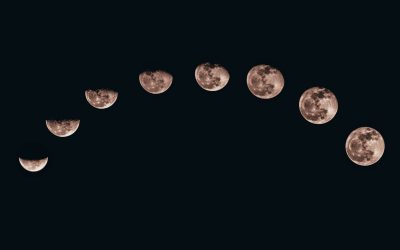
The moon goes through different phases as it orbits around the Earth. The two most well-known phases include the crescent moon and the full moon.
1.1 Crescent Moon
The crescent moon is the phase when the moon appears as a thin, curved sliver. It occurs when the moon is nearing the beginning or end of its cycle. During this phase, only a small portion of the moon is illuminated.
1.2 Full Moon
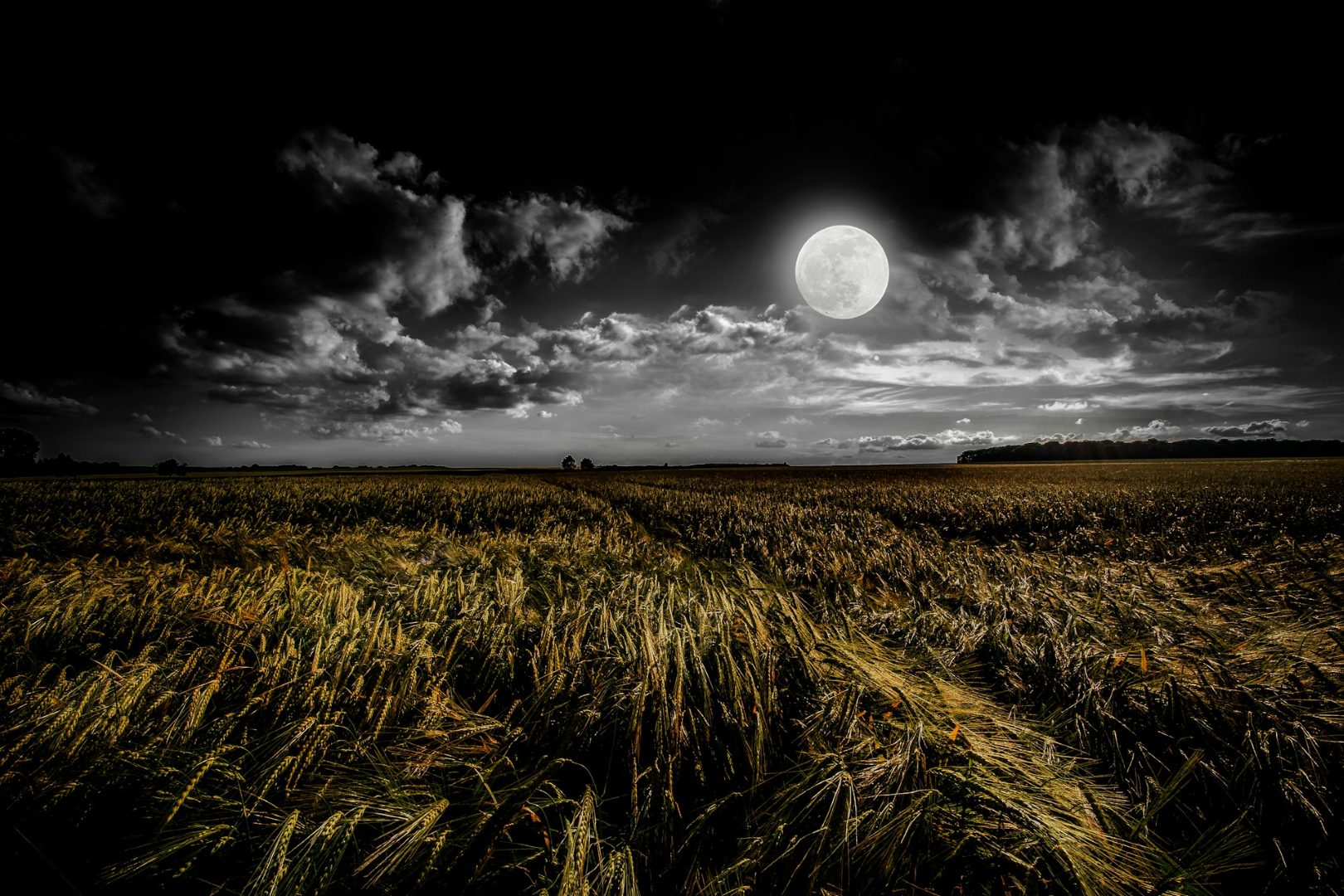
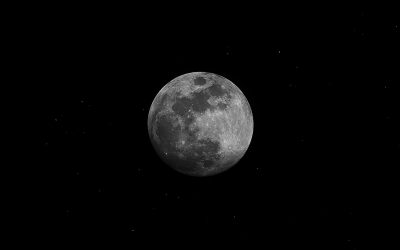
Unlike the crescent moon, the full moon is the phase when the moon appears as a complete circle. This phase occurs when the moon is positioned opposite the sun, and its entire face is fully illuminated.
2. Cultural Symbolism
2.1 Crescent Moon Symbolism
In many cultures, the crescent moon holds symbolic significance. Here are a few examples:
- Islamic Symbolism: The crescent moon is prominently featured on the flags of numerous Islamic countries. It represents the beginning of the lunar month in the Islamic calendar.
- Ancient Mesopotamian Symbolism: The crescent moon symbolized the Moon God Nanna in ancient Mesopotamian mythology.
- Modern Symbolism: The crescent moon is often associated with femininity, mysticism, and the cycles of nature.
2.2 Full Moon Symbolism
The full moon has held cultural and mythological significance throughout history:
- Werewolf Legends: The full moon is often associated with werewolves in popular culture. According to legends, werewolves transform during a full moon.
- Celebrations and Festivals: Many cultures celebrate special festivals and events during full moons, such as the Chinese Mid-Autumn Festival.
- Natural Cycles and Harvest: Full moons have also been associated with agricultural cycles, with some farmers using moon phases to determine optimal planting and harvesting times.
3. Moon-Related Terminology
3.1 Waxing and Waning
When referring to the moon’s phases, you may come across the terms “waxing” and “waning.” These terms describe the moon’s appearance as it moves through its cycle:
- Waxing: The moon is considered to be waxing when it transitions from the crescent phase to the full moon phase. It appears to grow larger each night.
- Waning: The moon is considered to be waning when it transitions from the full moon phase back to the crescent phase. It appears to shrink each night.
3.2 Blue Moon
The term “blue moon” does not refer to the moon’s color. Instead, it describes an extra full moon that occurs within a calendar month. Blue moons are relatively rare and have become associated with the idea of a rare or special event.
4. Conclusion
The crescent moon, full moon, and their associated symbolism have captivated humanity for centuries. Whether you are drawn to the mystical allure or simply appreciate the beauty of the moon’s phases, understanding their significance adds a deeper appreciation to this celestial phenomenon.